

In the high-altitude forests of the Himalayas, where the air is thin and the snow often blankets the ground, a flash of crimson red moves through the undergrowth. This is the Blood Pheasant (Ithaginis cruentus), a bird named for the startling splashes of red on the male’s chest, throat, and tail. To the uninitiated, the name might sound ominous, but in the realm of spirit animals, this unique creature is a beacon of vitality, survival, and deep ancestral connection.
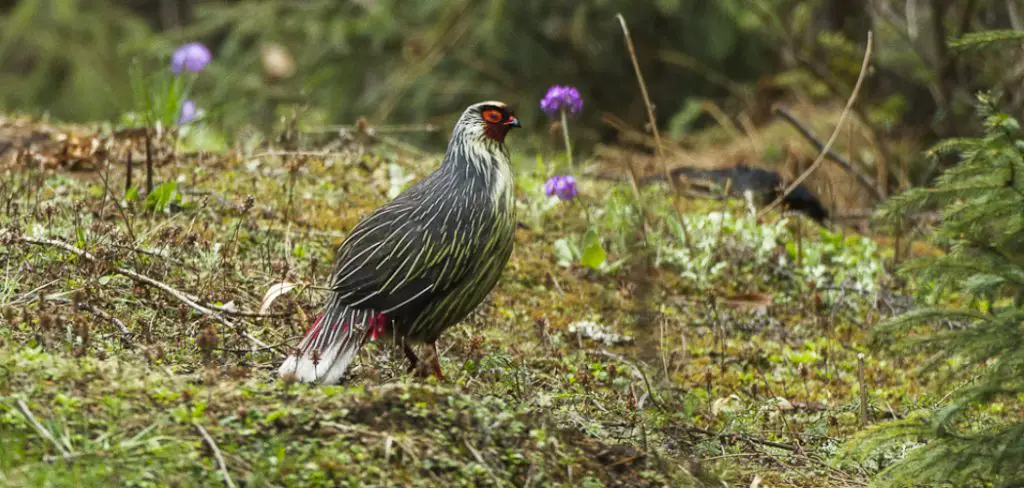
The Blood Pheasant is not a creature of the lowlands; it thrives in harsh, mountainous environments where few others can survive. This resilience defines its spiritual essence. When this bird enters your awareness, it often signals a time to reconnect with your own life force and to find warmth in the coldest of circumstances. It is a guide for those who feel isolated or challenged by their environment, offering ancient wisdom on how to endure with grace.
In this comprehensive guide, we will explore the Blood Pheasant spiritual meaning, symbolism and totem wisdom. We will delve into what this striking bird teaches us about grounding our energy, protecting our families, and accessing the fiery courage that lies dormant within us all. Whether you have seen one in a dream, encountered one in nature, or simply feel drawn to its image, the Blood Pheasant has a powerful message to share.
The Symbolism of Red: Vitality and Life Force
The most defining feature of the male Blood Pheasant is, undoubtedly, its color. In the stark, often monochromatic landscape of the winter Himalayas, the bird’s plumage stands out like a drop of life itself. Spiritually, red is the color of the Root Chakra, or Muladhara. This energy center, located at the base of the spine, governs our sense of safety, our basic needs, and our physical identity.
The Blood Pheasant embodies raw life force. It represents the blood that pumps through our veins, keeping us alive and warm. When we connect with this bird’s energy, we are reminded of our own vitality. It is a call to embrace our physical existence and to honor the vessel of the body. This bird does not shy away from the physical world; it adorns itself in the color of passion and life, signaling a robust and unshakeable will to live.
Connection to Ancestral Bloodlines
The concept of “blood” extends beyond the physical fluid; it is a universal symbol for family and lineage. The Blood Pheasant carries a strong connection to ancestral wisdom. Its presence can indicate that you are being called to explore your family history or to heal generational wounds. Just as the red markings on the bird are inherited, we too inherit traits, strengths, and challenges from those who came before us. This spirit animal encourages you to honor your “blood” by acknowledging the sacrifices of your ancestors and drawing strength from your lineage.
Courage in High Altitudes
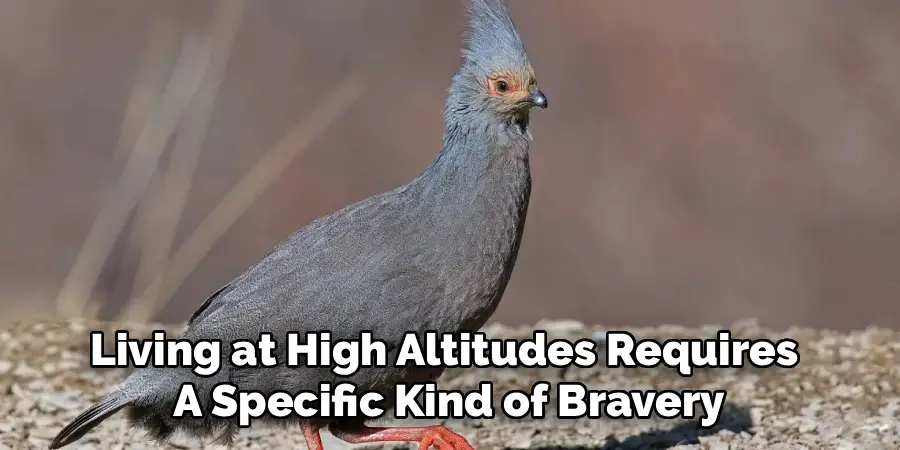
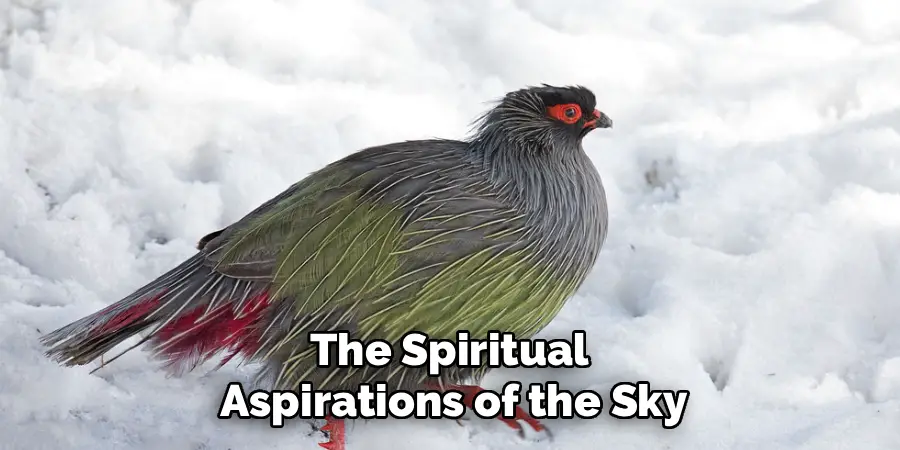
Red is also the color of courage and fire. Living at high altitudes requires a specific kind of bravery—the courage to persist when resources are scarce and the climate is unforgiving. The Blood Pheasant’s red plumage against the white snow is a visual representation of the “fire in the snow.” It symbolizes the spark of hope and determination that must be kept alive during the winter seasons of our lives. It teaches us that true courage isn’t about being fearless; it’s about maintaining your warmth and passion even when the world around you feels cold.
Understanding the Blood Pheasant Totem Animal
To have the Blood Pheasant as a totem animal is to possess a spirit of incredible resilience. People with this totem are often the survivors of the zodiac. They are grounded individuals who are not easily swayed by the winds of change or the opinions of others. Like the bird that stays close to the ground, moving quietly through the rhododendrons, Blood Pheasant people are practical, realistic, and deeply connected to the earth.
This totem bestows a personality that is protective and fiercely loyal. While they may appear quiet or reserved at first, there is a fiery intensity beneath the surface. They are the ones you want on your side during a crisis because they do not panic; they simply assess the terrain and find a way through. They thrive in environments where others might struggle, often finding success in niche careers or remote locations.
The Protector Archetype
The Blood Pheasant is not an aggressive bird of prey, but it is vigilant. As a totem, it instills a strong protective instinct, particularly over family and close friends. This protection is not necessarily physical; it is energetic. Those with this totem act as guardians of their “flock,” sensing danger before it arrives and guiding their loved ones to safety. They are the keepers of the hearth, ensuring that the home remains a safe and warm sanctuary against the outside world.
Camouflage and Visibility
One of the key lessons of this totem is the balance between blending in and standing out. The female Blood Pheasant is brown and perfectly camouflaged, while the male is vibrant. This totem teaches us that there is a time for both. There are moments when survival depends on being unseen, keeping your counsel, and observing from the shadows. However, there are also moments when you must show your true colors, display your vitality, and assert your presence in the world. The Blood Pheasant totem masterfully navigates this duality.
High-Altitude Wisdom: Spiritual Asculature and Resilience
The habitat of the Blood Pheasant—the high mountains of Nepal, Tibet, and India—is spiritually significant. Mountains have long been considered the meeting place of heaven and earth. By living in these elevated regions, the Blood Pheasant bridges the gap between the grounded energy of the earth and the spiritual aspirations of the sky.
This bird teaches the lesson of “spiritual musculature.” Just as living at high altitudes physically strengthens the lungs and heart, facing spiritual or emotional challenges strengthens the soul. The Blood Pheasant does not fly away to easier climates; it endures. It teaches us to breathe through the difficulties, finding that we are capable of surviving in “thin air” where we thought we might suffocate. It is a testament to the adaptability of the spirit.
Overcoming Isolation
These high regions are often lonely places. The Blood Pheasant is accustomed to solitude and quiet. Spiritually, this speaks to the power of being alone without being lonely. It encourages us to find peace in silence and to use periods of isolation for introspection and growth. In a world that is constantly noisy and connected, the Blood Pheasant reminds us of the clarity that comes from disconnecting and retreating to our own personal “mountaintop.”
Blood Pheasant Spiritual Meaning, Symbolism and Totem in Dreams
When the Blood Pheasant appears in your dreams, it is a potent symbol that should not be ignored. The interpretation often depends on the context of the bird’s behavior and your emotional reaction to it. Generally, it serves as a reminder of your physical vitality and your connection to the material world.
If you dream of a Blood Pheasant flying, it may symbolize a desire to rise above a difficult situation, or it could represent a spiritual elevation—a moment of rising consciousness. Conversely, seeing a nesting pheasant or one sitting calmly on the ground suggests a need to focus on your home life. It indicates that security and stability should be your current priorities.
Warnings of Danger
Because of its association with blood and the color red, the Blood Pheasant can sometimes appear as a warning. It might be alerting you to a potential health issue that needs attention, urging you to check in on your physical well-being. Alternatively, it could be a warning regarding family disputes or “bad blood” that is brewing. The dream is a nudge to address these issues proactively before they escalate, using the bird’s wisdom of vigilance.
Calls to Action
Often, a dream of this vibrant bird is a call to action. It is your subconscious trying to wake up your dormant energy. If you have been feeling lethargic, uninspired, or depressed, the flash of red in your dream is a spark intended to reignite your passion. It is asking you to stop hibernating and to engage with life actively. The bird challenges you to find what makes your blood pump faster and to pursue it with renewed vigor.
Connecting with the Blood Pheasant Spirit
Connecting with the spirit of the Blood Pheasant can be a powerful way to ground yourself and access newfound energy. This guide is designed to help you invoke the bird’s essence when you feel unmoored or in need of vitality.
Step 1: Preparation and Grounding
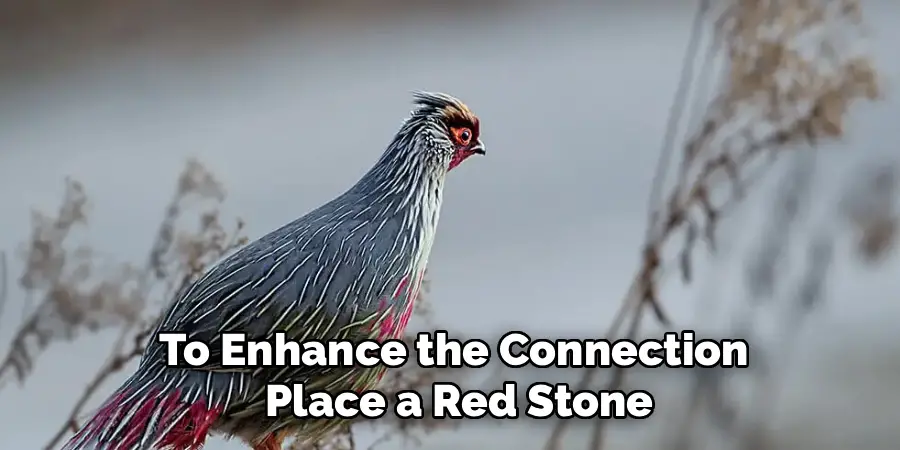
Begin by finding a quiet space where you will not be disturbed. If possible, perform this meditation outdoors, sitting directly on the earth. If you are indoors, sit on the floor. To enhance the connection, place a red stone, such as red jasper, garnet, or ruby, in your lap or hold it in your hand. Close your eyes and take several deep breaths, focusing on the base of your spine where it connects to the ground. Feel a sense of stability and heaviness, rooting you to the spot.
Step 2: Visualizing the High Mountains
Shift your awareness to your inner vision. Imagine yourself standing on a mountainside in the Himalayas. The air is crisp, cold, and clean. Snow dusts the rhododendron bushes around you, and the silence is profound. Visualize the towering peaks in the distance, touching the sky. Feel the solitude of this place, not as loneliness, but as a sacred, quiet strength. You are safe here, high above the chaos of the world below.
Step 3: Invoking the Red Energy
In your visualization, look toward the undergrowth. Suddenly, you see a flash of brilliant crimson. It is the Blood Pheasant. Watch as it moves confidently through the snow. As you focus on the red feathers, imagine that color detaching from the bird and flowing toward you as a stream of light. Visualize this red light entering your body at the base of your spine, igniting your Root Chakra. Feel a warmth spreading through your hips, legs, and up your spine. It is the heat of life, burning away fear and coldness.
Step 4: Asking for Guidance
With the energy of the bird now connected to yours, you may ask the spirit animal for guidance. You might ask, “How can I be more resilient?” or “What part of my life needs more vitality?” or “How can I better protect my energy?” Pose the question silently and then wait. The answer may come as a word, an image, a physical sensation, or simply a knowing. Trust the first impression you receive.
Step 5: Closing the Connection
When you feel ready, thank the Blood Pheasant spirit for its presence and wisdom. Watch as the bird turns and disappears back into the mountain mist. Slowly let the visualization of the mountains fade, but keep the feeling of warmth and groundedness in your body. Take three deep breaths, wiggle your fingers and toes, and open your eyes. You carry the “fire in the snow” with you now.
Seasonal Symbolism: Surviving the Winter
Unlike many birds that migrate to warmer climates when winter approaches, the Blood Pheasant stays put. It is non-migratory, enduring the harsh Himalayan winters in its home territory. This behavior is rich with symbolism for our own lives. It teaches us about the power of “wintering”—the ability to endure dark, cold, or difficult periods without fleeing or seeking escape.
We all go through spiritual or emotional winters. These are times of loss, stagnation, or dormancy. The Blood Pheasant teaches us that we do not always need to run from these feelings. Instead, we can adapt. We can find ways to sustain ourselves even when the environment seems hostile. It is a lesson in patience and faith, knowing that spring will return, but until then, we have the strength to survive the frost.
Finding Resourcefulness
In winter, food is scarce. The Blood Pheasant survives by feeding on mosses, lichens, and hardy shoots that other animals might ignore. This resourcefulness is a key part of its spiritual message. It encourages us to look closer at what is available to us. When we think we have nothing left—no energy, no money, no hope—the Blood Pheasant reminds us that there is always sustenance to be found if we are willing to look in humble places. It teaches us to make the most of what we have and to find nourishment in the unexpected.
The Balance of Masculine and Feminine Energies
The Blood Pheasant displays marked sexual dimorphism. The male is flamboyant with his red and green plumage, while the female is a mottled brown, blending perfectly with the earth and leaves. This contrast serves as a perfect illustration of the balance between Yin (feminine) and Yang (masculine) energies.
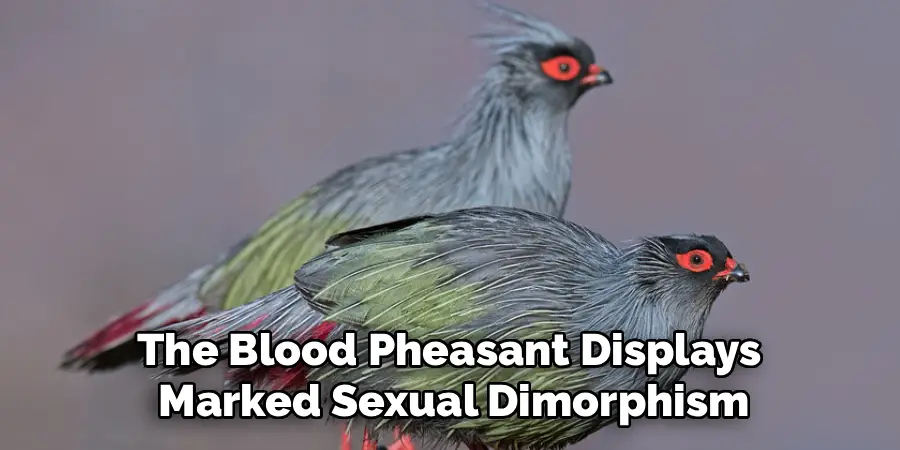
The male represents the Yang energy: assertive, visible, active, and fiery. He is the protector and the displayer of vitality. The female represents Yin energy: receptive, camouflaged, nurturing, and grounded. She is the survivor and the keeper of the nest. The Blood Pheasant spiritual meaning, symbolism and totem encompasses both of these aspects.
Sexual Dimorphism in Spirit
For the individual working with this totem, the lesson is one of integration. We all possess both masculine and feminine energies. There are times when we need to channel the male pheasant—to be bold, to speak up, and to show our passion. And there are times to channel the female—to retreat, to blend in, to nurture our inner selves, and to use discretion. True spiritual power comes from knowing which energy to employ in any given situation.
Cultural Mythology and Folklore Surrounding Pheasants
In the regions where they are found, pheasants hold a significant place in cultural folklore. In China and Tibet, pheasants are often associated with nobility, beauty, and good fortune. Their beautiful feathers have historically been used in ornamentation and rituals, symbolizing a connection to the divine beauty of the natural world.
Specifically, the Blood Pheasant is the state bird of Sikkim, India. In local Lepcha folklore, birds are often seen as messengers or indicators of the health of the land. The presence of the Blood Pheasant is a sign of a healthy, high-altitude ecosystem. Culturally, respecting the bird is akin to respecting the mountains themselves. While specific myths about the Blood Pheasant are less globally known than those of the Phoenix or the Peacock, its role in local culture is one of a sacred mountain dweller, a spirit that guards the high passes and snowy peaks.
Conclusion
The Blood Pheasant spiritual meaning, symbolism and totem offers a profound path for those seeking to ground their energy and ignite their inner fire. This resilient bird, with its splash of red against the white snow, serves as a powerful reminder that life can thrive even in the most challenging conditions. It teaches us that we possess a deep, ancestral strength that can carry us through our own personal winters.
By embracing the wisdom of the Blood Pheasant, we learn to balance our need for safety with our desire for expression. We learn to value our bloodlines, protect our loved ones with fierce loyalty, and find nourishment where others see only barren ground. Whether you are navigating a difficult transition or simply seeking to reconnect with your physical vitality, let the spirit of the Blood Pheasant be your guide. Stand tall, breathe the thin air, and let the crimson light of courage warm you from within.
