

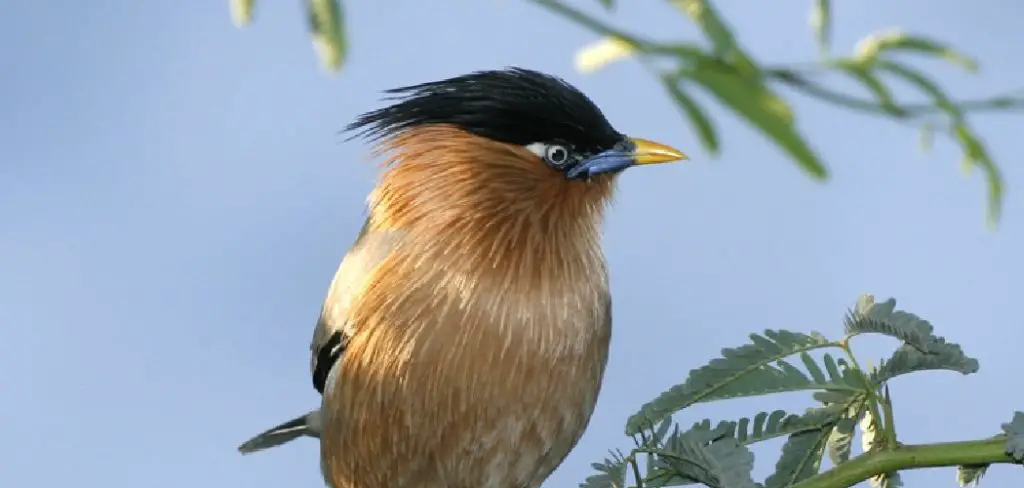
In the diverse family of mynas and starlings, each member carries a unique energetic signature. While some are known for their boisterous calls or dramatic plumage, the Brahminy Myna, also known as the Brahminy Starling, offers a lesson in quiet elegance and social grace. With its warm, buff-colored body, a distinguished black cap topped with a wispy crest, and a striking yellow bill with a blue base, this bird is a study in understated beauty.
Commonly found in the open country and near human settlements across South Asia, its very name, “Brahminy,” links it to the priestly caste of Hinduism, immediately suggesting themes of higher learning, ritual, and sacred duty. This connection elevates it from a common bird to a profound spiritual messenger. This article explores the deep Brahminy Myna spiritual meaning, symbolism and totem, guiding you through its gentle lessons on social grace, humble wisdom, and finding the sacred in the rhythms of everyday life.
The Name “Brahminy”: Symbolism of Sacred Knowledge
A name is never just a name, especially in the world of spirit animals. The term “Brahminy” is rich with cultural and spiritual significance, directly informing the core message of this totem.
Connection to the Priestly Caste
The bird was likely named for its coloration, which was thought to resemble the robes or markings of Brahmins, the Hindu priestly caste traditionally associated with scholarship, teaching, and spiritual leadership. This association immediately imbues the Brahminy Myna with the energy of sacred knowledge and devotion. It is a totem for teachers, students, scholars, and anyone on a path of spiritual learning. Its presence signals a time to deepen your studies, to seek wisdom, and to approach your life with a sense of reverence and intellectual curiosity.
The Black Cap and Crest
The Brahminy Myna’s distinct black cap, often accompanied by a fine, wispy crest, is a powerful symbol. Metaphysically, this marking on the head represents a connection to the Crown Chakra—the energy center of divine wisdom and higher consciousness. The black color can be interpreted as a form of spiritual protection for the mind, a shield against negative thoughts or distracting influences. The crest itself suggests that this connection to higher wisdom is something to be displayed with a quiet dignity, a subtle crown of inner knowing.
Ritual and Routine
The Brahminy Myna, as a totem connected to a priestly class, encourages the practice of finding the sacred in the mundane. It teaches that spiritual life is not separate from daily life. This spirit guide encourages the establishment of simple rituals—a mindful cup of tea in the morning, a moment of gratitude before a meal, or a conscious walk at dusk. By turning these everyday routines into acts of mindfulness, you infuse your life with a sense of purpose and sanctity, just as a priest would perform a sacred rite.
Color Symbolism: Earthy Tones and Hidden Blues
The plumage of the Brahminy Myna is a beautiful tapestry of warm, approachable colors with a surprising flash of celestial blue, each shade carrying its own spiritual weight.
Buff and Brown: Grounded Spirituality
The main body of the bird is a warm, creamy buff or light brown. These earthy tones are symbols of stability, approachability, and being “down to earth.” This coloration teaches a vital lesson: true spirituality is not about floating away from the world but about being fully present and grounded within it. The Brahminy Myna shows that a person can be wise and spiritually connected while still being relatable, warm, and accessible to others.
The Blue Bill Base
A close look at the Brahminy Myna reveals a small but significant patch of bright blue skin at the base of its yellow bill. This placement is no accident. Located near the mouth, this blue directly connects to the energy of the Throat Chakra, which governs communication, truth, and self-expression. It is a reminder to speak with clarity, honesty, and wisdom. Even amidst casual chatter, this flash of blue urges us to ensure our words are infused with truth and kindness.
Grey Wings and Neutrality
The bird’s wings are often a soft, neutral grey. In color symbolism, grey represents balance, neutrality, and the ability to navigate complex situations without being drawn into emotional extremes. This aspect of the totem’s energy supports diplomacy and mediation. It teaches the wisdom of seeing both sides of an issue and finding the middle path, a skill essential for maintaining social harmony.
Brahminy Myna Spiritual Meaning, Symbolism and Totem in Behavior
Observing how the Brahminy Myna interacts with its environment and other species provides some of its most practical and profound spiritual lessons.
Sociability and Tolerance
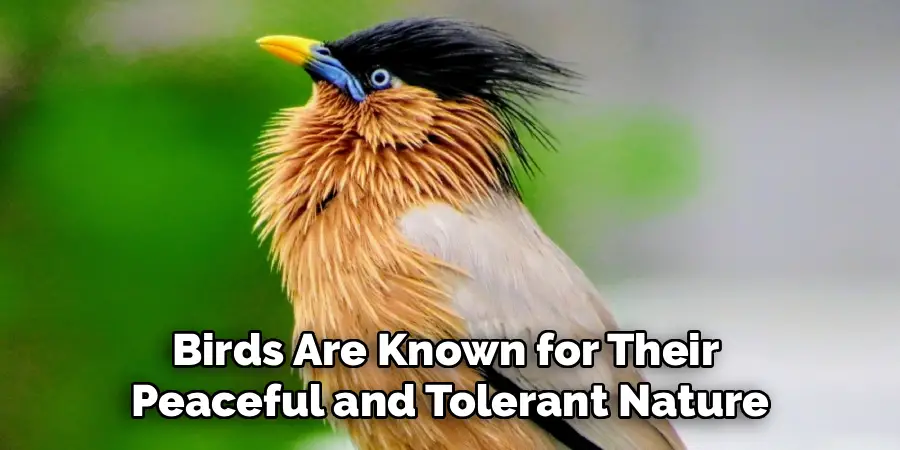
These birds are known for their peaceful and tolerant nature. They often forage in mixed flocks and are generally not as aggressive as some of their Myna cousins. Spiritually, this behavior makes them a powerful symbol of diplomacy, social grace, and the ability to coexist peacefully with diverse groups of people. This totem guides us to be more accepting of others’ differences and to navigate our social circles with a spirit of cooperation rather than competition.
Omnivorous Adaptability
The Brahminy Myna has a varied diet, consuming everything from fruits and nectar to insects. This omnivorous nature represents a profound spiritual adaptability. It teaches us to be open to different sources of “nourishment”—be it new ideas, different cultures, unfamiliar spiritual paths, or a wide range of life experiences. This totem encourages a flexible mindset, reminding us that we can find sustenance and thrive in almost any environment if we are willing to adapt.
The “Pagoda” Dweller
The bird’s scientific name, Sturnia pagodarum, alludes to its frequent habit of nesting in the crevices of pagodas, temple towers, and other man-made structures. This tendency to make its home in or near sacred spaces is a powerful metaphor. It reinforces the idea of making our own homes into sanctuaries. The Brahminy Myna asks us: Is your home a place of peace, reverence, and refuge? It encourages us to create a living space that nourishes our spirit.
The Brahminy Myna as a Messenger of Diplomacy
With its peaceful nature and gentle voice, the Brahminy Myna serves as a powerful spirit guide for navigating relationships and social interactions.
The Gentle Communicator
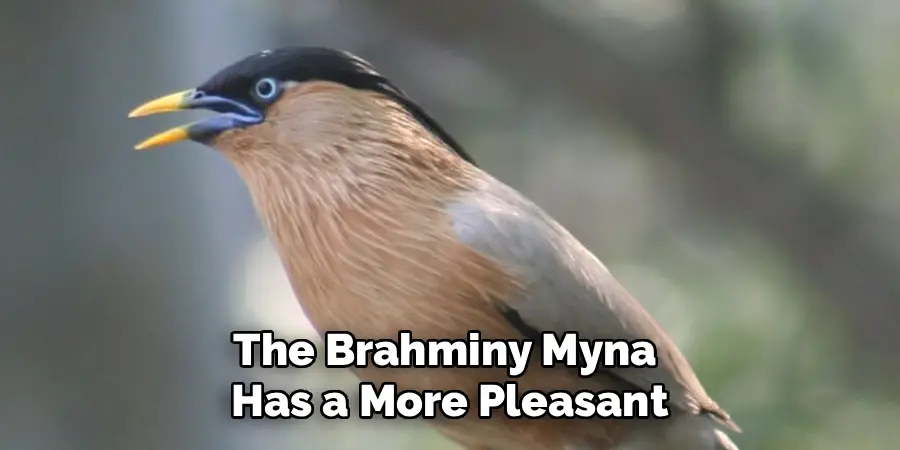
Unlike the loud, sometimes harsh calls of other mynas, the Brahminy Myna has a more pleasant, musical, and chattering song. This vocal quality translates into a spiritual lesson on the power of gentle persuasion. This totem teaches that you do not need to shout to be heard. It encourages a communication style that is based on soft influence, thoughtful dialogue, and kindness, proving that a gentle voice can often be more effective than a loud demand.
Mediator of Conflicts
Because of its association with tolerance and balance, this spirit animal is a wonderful ally for anyone who works in mediation, counseling, social work, or human resources. It provides the energetic support needed to navigate complex social dynamics, to listen with an open heart, and to help others find common ground. Its presence is a sign to approach conflict with grace and a focus on resolution.
The Brahminy Myna Spirit Animal
If the Brahminy Myna is your spirit animal, you likely embody its sociable, wise, and gentle characteristics. People connected to this totem are often the pillars of their communities.
The Helpful Neighbor
Individuals with the Brahminy Myna totem are deeply community-oriented. They are the ones who know everyone on the street, who organize neighborhood potlucks, and who are the first to offer help to a friend in need. They find genuine joy in service and in fostering a sense of local connection.
The Unassuming Teacher
These individuals often possess a great deal of wisdom but carry it with profound humility. They do not preach or lecture; they teach through their actions and by offering quiet, thoughtful advice when asked. They are the “wise elders” of their friend groups, offering guidance without ego.
The Elegant Host
The Brahminy Myna totem brings with it a natural gift for hospitality. People with this energy are wonderful hosts who have an innate ability to make others feel welcome, comfortable, and cared for. Their homes are often peaceful sanctuaries where friends and family love to gather, drawn by the warm and gracious atmosphere.
Creating a Sacred Home with the Brahminy Myna Step-by-Step
This practical guide is designed to help you align your living space with the peaceful, sacred, and communal energy of the Brahminy Myna.
Step 1: Decluttering the “Nest”
Your home is your nest. To invite the Brahminy Myna’s energy, you must first create a welcoming space. Begin by decluttering your living environment. Remove anything that feels stagnant, broken, or out of alignment with the person you want to be. A clean, organized space allows for a clear flow of positive energy.

Step 2: Incorporating Earth Tones
To ground the energy of your home, incorporate the warm, earthy tones of the bird’s plumage. Add throw pillows, blankets, or art in shades of cream, buff, tan, and warm brown. These colors create a sense of stability, comfort, and approachability.
Step 3: Establishing a Daily Ritual
Honor the “Brahminy” aspect of sacred routine by creating a simple daily ritual that takes place in your home. This could be lighting a stick of incense each morning, brewing a special pot of tea with focused intention, or spending five minutes meditating in a favorite chair before bed. The act itself is less important than the regularity and mindfulness you bring to it.
Step 4: Inviting the Community
The Brahminy Myna is a social bird. To honor this, make your home a place of connection. Plan a small gathering, a potluck dinner, or a simple coffee date with friends. Focus on the spirit of hospitality—sharing food, conversation, and creating a space where others feel genuinely nourished and welcome.
Step 5: The Throat Chakra Clearing
To align with the blue-bill symbolism of truthful speech, practice mindful communication within your home. Make a conscious effort to speak kind and supportive words to your family members or housemates. A simple practice is to end each day by telling someone you live with one thing you appreciated about them that day.
Step 6: Meditation on Tolerance
Find a comfortable seat in your home. Close your eyes and visualize the peaceful, tolerant Brahminy Myna foraging happily alongside other birds. Breathe in this energy of acceptance. Bring to mind a neighbor, colleague, or family member with whom you have felt friction. In your mind’s eye, see them through the bird’s tolerant gaze, letting go of small judgments and focusing on shared humanity.
Step 7: Blessing the Threshold
As a closing practice, stand at your front door. Place your hands on the doorframe and set a clear intention for the energy you wish to cultivate within. You might say silently or aloud, “May only peace, wisdom, and loving community enter this home.” This simple act turns your doorway into a sacred portal.
Omens and Signs: Interpreting Encounters
When the Brahminy Myna crosses your path, it often carries a specific message tailored to your current life situation.
A Sign to Be of Service
Seeing a Brahminy Myna can be a gentle nudge from the universe to be of service to your community. It may be a sign to volunteer for a local cause, offer help to a neighbor, or simply be more present and supportive for the people in your life.
A Call to Study
Given its connection to the Brahmin class, an encounter with this bird can be an invitation to deepen your knowledge. It is a sign to pick up that book you have been meaning to read, enroll in a class, or dedicate more time to your spiritual or academic studies.
Harmonizing Relationships
If there has been tension or conflict in a close relationship, the appearance of the Brahminy Myna is a hopeful omen. It signals that peace and resolution are possible, but they must be approached with gentle communication, tolerance, and a willingness to see the other person’s point of view.
Shadow Aspects: Over-Compliance and Superficiality
Every totem has a shadow side, and the Brahminy Myna’s gentle nature can be taken to an extreme.
People-Pleasing
The strong desire for social harmony can, in its shadow form, lead to people-pleasing. This is the tendency to suppress your own needs, opinions, and desires just to keep the peace or make others happy. The Brahminy Myna warns against losing yourself in an effort to accommodate everyone else.
Focusing on Appearances
The shadow side of the “priestly” image is a focus on superficial righteousness. This is the trap of caring more about looking spiritual, wise, or helpful than actually doing the deep inner work. It is a warning against performing goodness for an audience rather than cultivating it from within.
Passive Aggression
The totem’s preference for neutrality and gentle communication can turn into a shadow aspect of passive aggression if anger is not processed healthily. Suppressing frustration to avoid direct conflict can lead to indirect, manipulative, or resentful behaviors that are ultimately more damaging to relationships.

Integrating Brahminy Myna Energy into Daily Life
You can actively cultivate the positive attributes of the Brahminy Myna in your everyday life.
Hosting and Entertaining
Embrace the role of the elegant host. You do not need to throw lavish parties. Simply inviting a friend over for tea or cooking a meal for your family with intention and love is a powerful way to channel this totem’s energy of hospitality and connection.
Mindful Speech
To honor the bird’s blue throat patch, practice mindful speech. Before you speak, ask yourself: Is it true? Is it kind? Is it necessary? This simple Buddhist concept of “Right Speech” helps to ensure your words are a source of healing and connection, not harm.
Conclusion
The Brahminy Myna is a spirit guide of gentle grace, grounded wisdom, and social harmony. It is a beautiful reminder that spirituality is not an abstract concept reserved for mountaintops or monasteries; it is woven into the very fabric of our daily lives. The Brahminy Myna spiritual meaning, symbolism and totem teach us that enlightenment is found in how we treat our neighbors, how we speak to our loved ones, and how we care for the sanctity of our own homes. It encourages us to wear our “black cap” of wisdom with humility, to communicate with kindness, and to spread warmth and tolerance wherever we fly.
