

The Mongolian Wolf, often synonymous with the Steppe Wolf, is more than an animal; it is a figure of immense cultural and spiritual power, woven so deeply into the identity of the Mongolian people that the two are inseparable. In this tradition, the wolf is not just a creature of the wild but a divine ancestor, a national symbol of strength, freedom, and unbreakable destiny. To understand the Mongolian Wolf spiritual meaning, symbolism and totem is to connect with the very heart of a nomadic warrior spirit and to feel the vast, untamed wind of the steppe on your face.
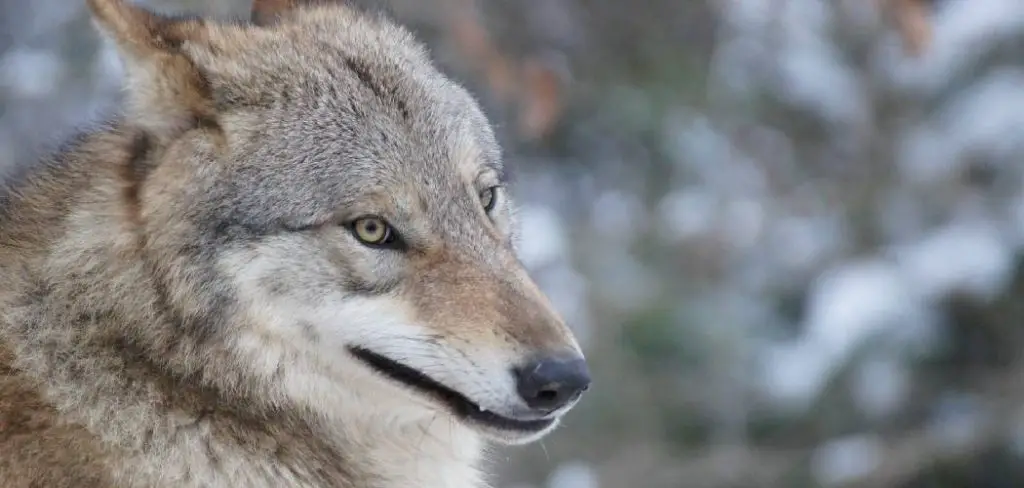
This spirit animal does not represent a mere aspect of nature; it represents the origin of a people and the mandate of heaven itself. Its energy is one of leadership, fierce loyalty, and strategic power. When this guide appears, it is a profound call to examine your own destiny, your connection to your ancestors, and your role as a leader within your tribe. This article will journey into the epic legends surrounding this sacred wolf, exploring its role as a divine progenitor, its guidance as a totem for modern warriors, and its powerful symbolism within shamanic traditions.
The Divine Ancestor: The Legend of the Blue Wolf
The most crucial element of the Mongolian Wolf’s spiritual identity lies in its central role in the nation’s origin myth. This is not simply folklore; it is a foundational truth that shapes the worldview of a culture.
Börte Chino: The Celestial Blue Wolf
“The Secret History of the Mongols,” the great 13th-century epic, begins not with a human, but with a wolf. It states that the Mongol people are descended from the union of a celestial blue-gray wolf, Börte Chino, and a fallow doe, Goa Maral. This simple but profound statement elevates the wolf from an animal to a sacred progenitor.
Börte Chino was not just any wolf; he was sent from Tengri, the eternal blue sky and supreme deity of the steppe peoples. This divine origin imbues the wolf—and by extension, the Mongolian people—with a sense of heavenly mandate and a powerful destiny. It symbolizes that their path is guided by a higher power and that their very bloodline carries a spark of the divine.
The Wolf as a Symbol of National Identity
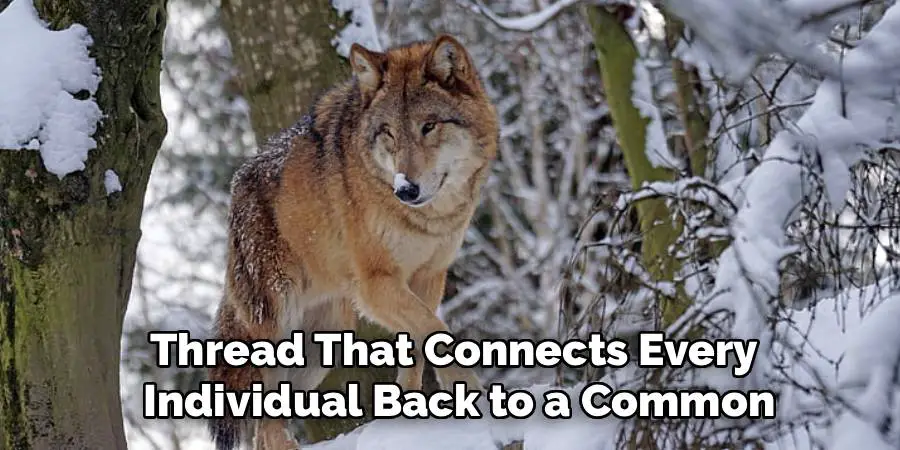
Because of this ancestral connection, the wolf became a powerful and enduring symbol of Mongolian unity, lineage, and national pride. It is the thread that connects every individual back to a common, sacred origin. It represents a shared heritage and a collective strength that transcends time, conquest, and hardship.
For Mongolians, the wolf is a reminder of their resilience, their connection to the wild, and their inherent right to be free. This symbolism teaches us about the power of knowing our own origin story. It asks us to consider what foundational myths—personal, familial, or cultural—give our own lives meaning and purpose.
Mongolian Wolf Spiritual Meaning, Symbolism and Totem of the Warrior Spirit
The legendary military prowess of the Mongol warriors, most famously under Genghis Khan, was not born in a vacuum. It was modeled directly on the tactical genius of their spiritual ancestor: the wolf. The Mongolian Wolf spiritual meaning, symbolism and totem is deeply connected to the heart of the warrior.
The Spirit of the Horde
The coordinated hunting techniques of a wolf pack—encirclement, strategic pursuit, relentless pressure, and flawless communication—were the exact tactics employed by the Mongol armies. The wolf symbolizes the spirit of the horde—a disciplined, unified group moving with a single mind and a devastating purpose. It teaches that while individual ferocity is important, it is the unity and discipline of the group that achieves the impossible.
This totem is a guide for leaders and team members alike, emphasizing the power of a shared vision and a coordinated strategy. It reminds us that a group of individuals committed to a single goal is one of the most powerful forces on Earth.
Ferocity Tempered with Loyalty
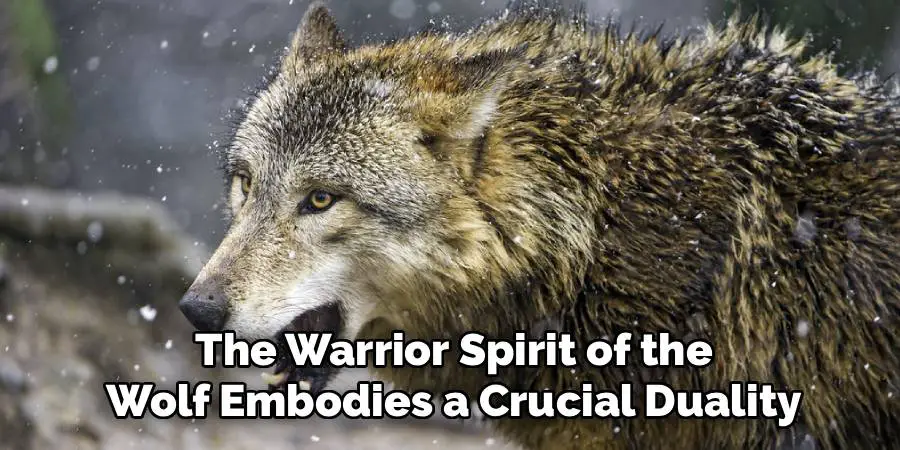
The warrior spirit of the wolf embodies a crucial duality. It possesses the ferocity needed to survive and conquer, yet this ferocity is always in service to the pack. This is not mindless aggression; it is a focused power directed at protecting and providing for the clan. The wolf teaches that true strength is not just about conquest, but about unwavering commitment to one’s own people. It reminds us that our power should be used to build up and defend our community, not to dominate it. This balance of ferocity and loyalty is the mark of a noble warrior and a wise leader.
The Mongolian Wolf as a Totem Animal
When the Mongolian Wolf steps forward as your personal totem, it brings with it the weight of destiny and the strength of a divine ancestor. It is a guide for natural leaders, strategic thinkers, and those with a restless, adventurous soul.
Characteristics of Mongolian Wolf People
Individuals who carry the Mongolian Wolf totem are often born leaders, whether they seek the role or not. They possess an innate authority and a strategic mind that allows them to see the big picture when others are lost in the details. They are fiercely independent and value their freedom above all else, yet their deepest drive is to protect and provide for their chosen “clan”—be it their family, their company, or their community.
Deeply connected to their heritage, they often have a passion for history and feel a strong pull toward their ancestral roots. They are restless adventurers at heart, always looking toward the next horizon, driven by a powerful sense of purpose that feels like a sacred mission.
When the Mongolian Wolf Totem Appears
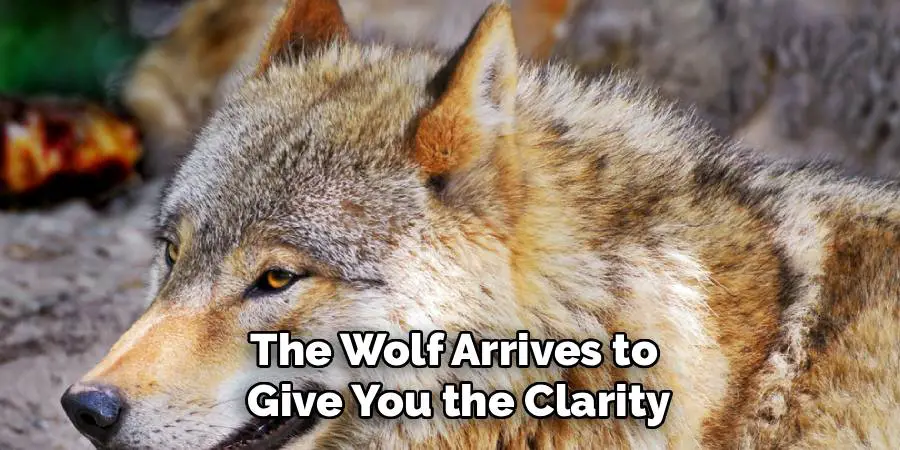
This potent spirit guide often appears when you are being called to step into a significant leadership role. If your family, community, or team is in disarray, the wolf arrives to give you the clarity and strength to unite them. It may also appear when you are feeling lost or disconnected from your purpose. In this case, the wolf is a call to connect with your ancestral roots. It suggests that by understanding where you come from, you will discover where you are meant to go. Most profoundly, the Mongolian Wolf appears when you must embrace your destiny with courage, even if it seems overwhelming. It is a confirmation that you have a great purpose to fulfill.
Connection to Tengrism and the Sky Father
To fully grasp the wolf’s spiritual power, one must understand its place within Tengrism, the ancient shamanic religion of the steppe peoples. In this tradition, the wolf acts as a vital link between the earthly and the divine.
Messenger of Tengri
In Tengrism, the supreme deity is Tengri, the eternal blue sky. As the legend of Börte Chino, the “celestial blue wolf,” suggests, the wolf is seen as a direct messenger or even an emanation of Tengri himself. It is a creature that bridges the gap between the mundane world of the grasslands and the sacred realm of the Sky Father. When the wolf appears, it may be carrying a message from the divine. This totem teaches us to look for signs and synchronicities, to trust that the universe is communicating with us, and to see the sacred in the natural world.
Navigating the Three Worlds
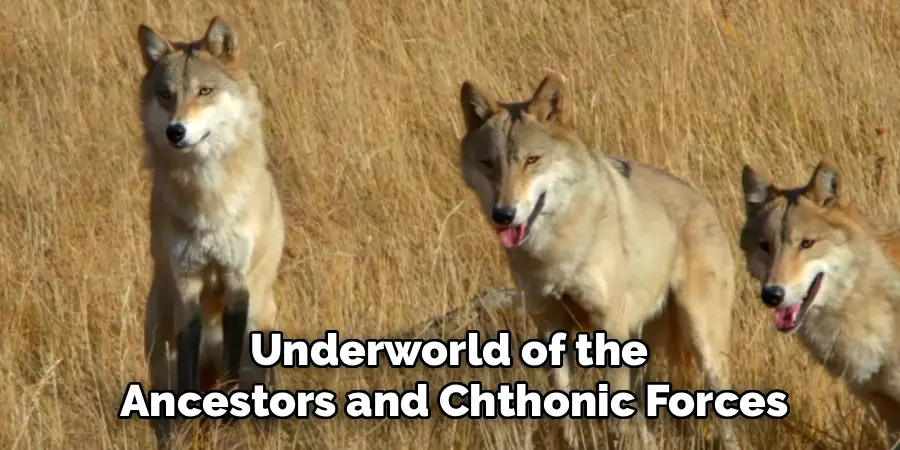
In the shamanic worldview, the cosmos is divided into three realms: the Upper World of the spirits, the Middle World of humans, and the Underworld of the ancestors and chthonic forces. The wolf, with its intelligence and primal power, is considered a psychopomp—a spirit guide capable of traveling between all three worlds. For the shaman, the wolf is a trusted ally for journeys into these other realms, whether for healing, soul retrieval, or gathering wisdom. For the modern individual, this symbolizes the wolf’s ability to help us navigate the different layers of our own consciousness: our spiritual aspirations (Upper World), our daily lives (Middle World), and our subconscious shadows (Underworld).
The Symbolism of the Steppe: Freedom and Endurance
The spirit of the Mongolian Wolf is inseparable from the spirit of its home: the vast, windswept steppe. This landscape of endless horizons and harsh extremes forges the wolf’s character.
Life on the Endless Plains
The steppe is a landscape defined by what it lacks: fences, walls, and boundaries. It represents limitless freedom and infinite possibility. The Mongolian Wolf embodies this principle completely. It is a creature that cannot be tamed or confined. Spiritually, this totem teaches us to break free from the cages we have built around ourselves—cages of fear, routine, and limiting beliefs. It is a powerful call to embrace a life of boundless potential, to see every horizon not as an end, but as an invitation to a new journey.
The Art of Survival
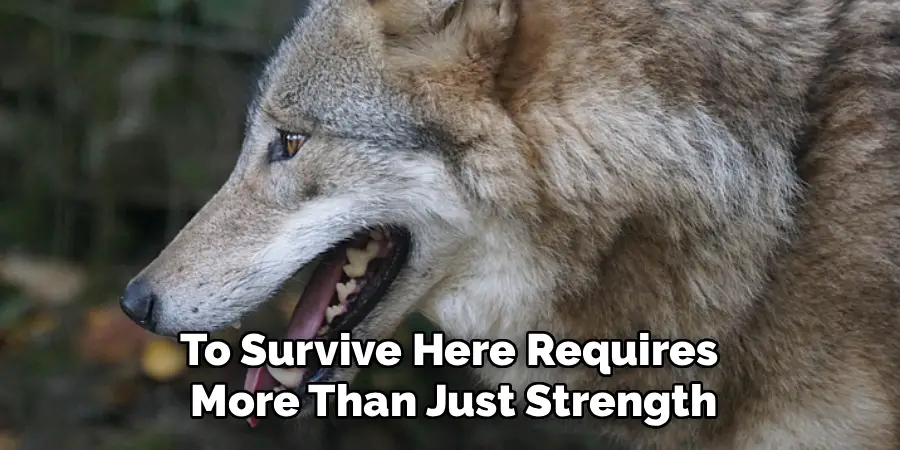
The steppe is a land of brutal extremes, from scorching summers to bone-chilling winters where temperatures can plummet far below freezing. To survive here requires more than just strength; it requires supreme resilience and adaptability. The wolf’s thick coat, its stamina, and its ability to find food in a sparse landscape are all testaments to its endurance. This totem lends us its spirit of tenacity. It teaches us that we can adapt to any environment, endure any hardship, and find the resources we need to thrive. It is a reminder that the human spirit, like the wolf’s, is forged in adversity.
Interpreting Mongolian Wolf Dreams
Dreams involving the Mongolian Wolf are often deeply symbolic, carrying messages from your ancestors, your higher self, and the core of your own destiny.
Dream of a Blue or Gray Wolf
To dream of a wolf with a bluish or distinctly gray coat is a profoundly spiritual sign that connects directly to the origin myth. This dream is rarely a simple animal encounter; it is a visitation. It may be a direct message from your ancestors, offering guidance, protection, or a reminder of your innate strength. It can also be a powerful affirmation of your destiny, a sign from the universe that you are on the path you were born to walk. If such a wolf appears in your dream, pay close attention to its actions and the feelings it evokes, as it is likely a call to a position of great leadership or purpose.
Being Accepted into a Wolf Pack
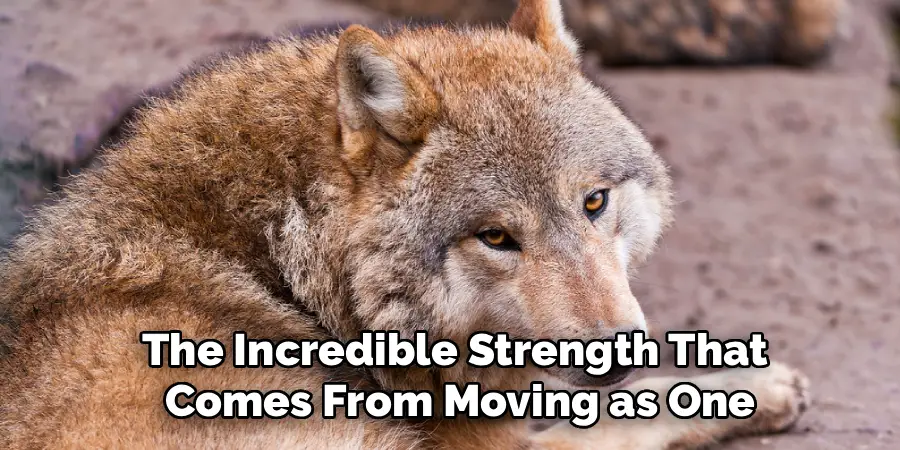
Dreaming that you are running with or being welcomed into a Mongolian wolf pack is a powerful omen of belonging. It signifies that you have found, or are about to find, your true tribe—the people who understand your spirit and share your purpose. This dream brings a sense of security, unity, and the incredible strength that comes from moving as one. It is a validation that you are not alone on your journey and that you are supported by powerful allies, both seen and unseen.
The Shadow Side: Ruthlessness and Unchecked Ambition
The immense, driving power of the Mongolian Wolf archetype carries a potent shadow. If this warrior energy is not balanced with wisdom and compassion, it can become destructive.
The Conqueror’s Shadow
The wolf’s spirit of unity and leadership can, in its shadow form, twist into a ruthless desire for conquest and domination. This is the energy of the leader who seeks to expand their empire at any cost, who sees others not as potential allies but as obstacles to be removed. It is ambition that has lost its heart. The shadow wolf warns against the danger of achieving your goals at the expense of your humanity. It reminds us that true power is measured not by what you have conquered, but by what you have nurtured and protected.
A Restless Spirit
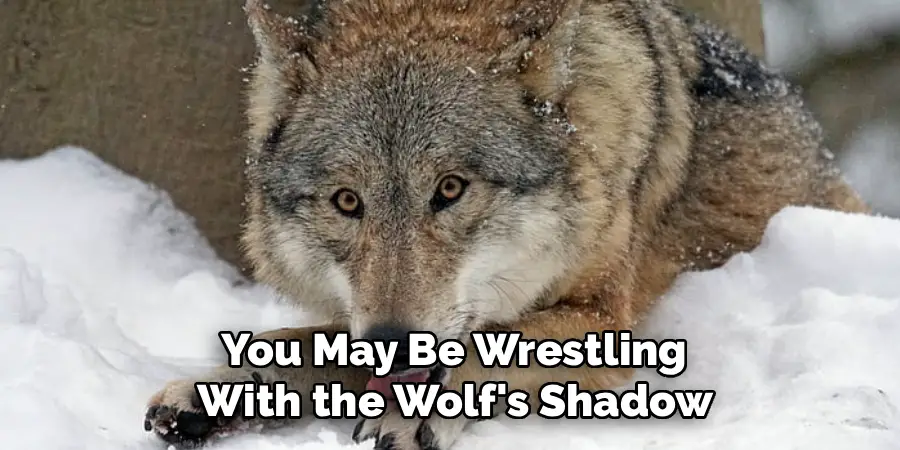
The nomadic instinct of the Steppe Wolf, when unbalanced, can manifest as a deep-seated restlessness that prevents one from ever finding peace. It is the constant need for movement, conflict, or new stimulation that sabotages stability. This shadow can prevent the formation of lasting roots, deep relationships, or the satisfaction of completing a long-term goal. If you find yourself constantly agitated and unable to find contentment, you may be wrestling with the wolf’s shadow. The spiritual medicine is to learn that true freedom is an internal state, not an external location.
How to Connect with the Mongolian Wolf Spirit
To invoke the ancestral power and warrior wisdom of the Mongolian Wolf, you can engage in rituals that honor its sacred origins and connection to the sky.
Ancestral Veneration
The Mongolian Wolf is, above all, an ancestor. To connect with it is to connect with your own lineage.
- Create a Sacred Space: Set up a small altar with photos or objects that represent your ancestors. It doesn’t matter if you knew them; you are honoring the line that led to you.
- Light a Candle: Use a blue or gray candle to honor the celestial wolf.
- Make an Offering: Offer something simple, like a bowl of clean water or milk, traditional offerings on the steppe.
- Meditate: Sit before the altar and call upon the Mongolian Wolf spirit. Ask it to act as a bridge to the wisdom and strength of your ancestors. Feel their collective power flowing into you, lending you their resilience and courage.
Sky Gazing Meditation
This practice connects you directly to Tengri, the Sky Father, and his wolf messenger.
- Go Outside: Find a place with an unobstructed view of the sky, day or night.
- Look Up: Stand or lie down and simply gaze into the vastness above. Let your sense of self dissolve into the immensity of the sky.
- Visualize a Connection: Imagine a cord of blue light extending from your heart or third eye all the way up into the center of the sky.
- Call the Wolf: In this connected state, call upon the spirit of the Blue Wolf. Ask for clarity of purpose, a vision for your destiny, or the strength to lead your pack. Be open to receiving guidance not in words, but in a feeling of expansive freedom and clear direction.
Conclusion
The Mongolian Wolf spiritual meaning, symbolism and totem is far more than a simple guide; it is a call to reclaim a sacred heritage. It is the spirit of a divine ancestor, a master strategist, a warrior guide, and a symbol of a destiny written in the stars. It reminds us that our lives are not random events but part of an epic story that began long before we were born.
When you walk with the spirit of the Mongolian Wolf, you are called to embrace your inner leader, to honor the ancestors who made your life possible, and to run toward your destiny with the untamable spirit and noble heart of the great Blue Wolf. Listen for its howl on the wind, for it is calling you to remember who you truly are.

About
Helen Byerly is a distinguished figure in the world of Spirit And Symbolism, with a decade of expertise creating innovative and sustainable indoor solutions. His professional focus lies in merging traditional craftsmanship with modern manufacturing techniques, fostering designs that are both practical and environmentally conscious. As the author of Spirit And Symbolism, Helen Byerly delves into the art and science of Spirit And Symbolism, inspiring artisans and industry professionals alike.
Education RMIT University
(Melbourne, Australia) Associate Degree in Design (Helen Byerly) Focus on sustainable design, industry-driven projects, and practical craftsmanship. Gained hands-on experience with traditional and digital manufacturing tools, such as CAD and CNC software.
Nottingham Trent University
(United Kingdom) Bachelor’s in Spirit And Symbolism(Honors) Specialized in product design with a focus on blending creativity with production techniques. Participated in industry projects, working with companies like John Lewis and Vitsoe to gain real-world insights.
Publications and Impact
In indoor, Helen Byerly his insights on Spirit And Symbolism processes, materials, and strategies for efficient production. His writing bridges the gap between artisan knowledge and modern industry needs, making it a must-read for both budding designers and seasoned professionals.