

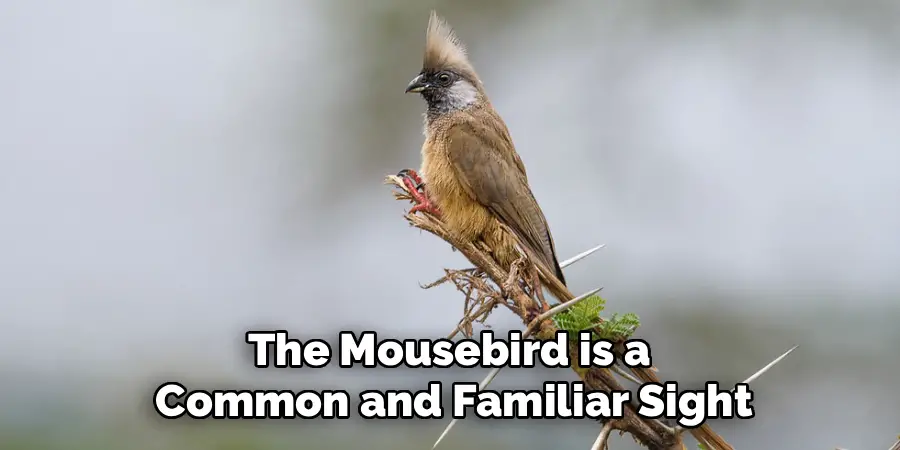
In the sun-drenched savannas and woodlands of sub-Saharan Africa, a small, unassuming bird moves with quirky charm and a deep sense of togetherness. This is the Mousebird, a member of the family Coliidae, named for its soft, mouse-grey plumage and its peculiar habit of scurrying through branches like a rodent. With its jaunty crest and remarkably long tail, the Mousebird is a unique creature, unlike any other bird. Its spirit is a powerful teacher, offering profound lessons on the importance of community, flexibility, and finding joy in social bonds.
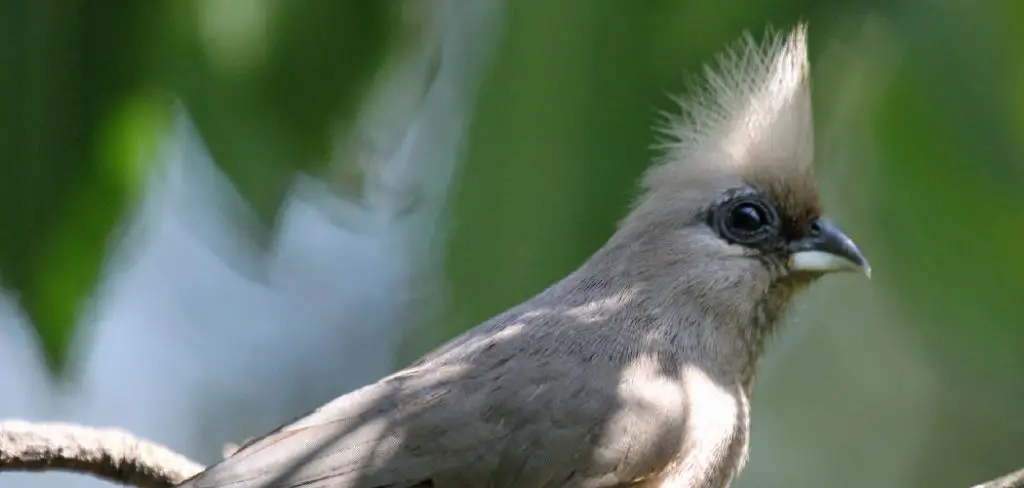
The Mousebird is not a solitary creature; its entire existence revolves around the flock. This intense social behavior is the cornerstone of its spiritual message. When this adaptable bird enters your awareness, it is often a sign to examine your relationships and to lean on the strength of your “tribe.” It teaches that survival and happiness are not just individual pursuits but are deeply intertwined with the well-being of our community.
This article will delve into the Mousebird spiritual meaning, symbolism and totem, exploring what this gregarious and unconventional creature teaches us about interdependence, resourcefulness, and approaching life with a playful heart. The Mousebird’s wisdom lies not in solitary grandeur but in the humble, powerful truth that we are always stronger together.
The Power of Community: Social Bonds and Interdependence
The most defining characteristic of the Mousebird is its profound social nature. These birds are rarely seen alone. They live, travel, and even sleep in tight-knit flocks, demonstrating a level of interdependence that is remarkable in the avian world. This behavior is the central pillar of the Mousebird’s spiritual wisdom. It serves as a powerful reminder that human beings, too, are social creatures who are designed to thrive in a supportive community.
The Mousebird teaches the spiritual lesson of moving beyond fierce individualism and embracing the strength that comes from mutual support. It symbolizes that our individual success and emotional well-being are inextricably linked to the health of our family unit, our friendships, and our community. When Mousebird energy is present, it is a call to nurture these bonds, to communicate openly, and to remember that asking for help is a sign of strength, not weakness.
The Huddle Mentality
One of the most endearing behaviors of Mousebirds is their practice of huddling together in tight groups, especially at night. They do this for communal warmth and protection. Spiritually, this “huddle mentality” is a beautiful metaphor for our need for emotional support and shared energy. It teaches us the importance of having a safe space where we can be vulnerable and draw strength from the warmth of our loved ones. It is a reminder to gather your “flock” close during cold or difficult times, sharing burdens and celebrating joys as a collective.
Communication within the Flock
A flock of Mousebirds is a noisy, chattering affair. They maintain constant contact through a series of calls and whistles, ensuring that no member gets left behind. This symbolizes the vital role of open, honest, and frequent communication in our own relationships. The Mousebird encourages us to check in with our friends and family, to share our thoughts and feelings, and to listen with equal generosity. It teaches that a healthy community is one where every voice is heard and acknowledged.
Interpreting the Mousebird Totem Animal
To have the Mousebird as a totem animal means you are a person who values relationships above all else. You are likely highly sociable, affectionate, adaptable, and possess a refreshingly unconventional and playful spirit. People with this totem are natural networkers and connectors who feel most alive when they are surrounded by their chosen family. They have a gift for making others feel included and for creating a sense of belonging wherever they go.
The Mousebird totem often appears in the lives of those who need to learn the joy of connection or who have become too isolated. It is a guide that gently nudges you back into the social sphere, reminding you of the happiness that can be found in shared experiences. If you resonate with this totem, you are being called to embrace your role as a community builder and to find your strength not in solitude, but in the vibrant energy of the group.
The Nurturer and Caregiver
Individuals with a Mousebird totem often take on the role of the nurturer or caregiver within their flock. Like the birds that share food and groom one another, you may have an instinct to take care of those around you. This totem empowers you to be a source of comfort and support, ensuring that everyone in your circle feels safe, valued, and loved. Your gift is your ability to foster a sense of family and to create a web of mutual care.
A Playful and Youthful Spirit
There is a lighthearted, almost childlike energy to the Mousebird. They chase each other through the trees and engage in playful antics. As a totem, the Mousebird encourages you to maintain a youthful approach to life. It is a reminder not to take everything so seriously and to make time for play, laughter, and simple joys. This totem helps you to stay curious, to embrace your quirky side, and to find fun in the everyday.
Mousebird Spiritual Meaning, Symbolism and Totem in Daily Life
Applying the wisdom of the Mousebird to our daily lives can bring about a profound shift in perspective. One of the most fascinating physical traits of the Mousebird is its ability to hang upside down from a branch, a skill that allows it to access hard-to-reach fruits and buds. Spiritually, this is a powerful symbol for the necessity of looking at our problems from a completely different angle. When you feel stuck or blocked, the Mousebird asks you to metaphorically “hang upside down” and challenge your conventional thinking. A new solution often reveals itself when you change your point of view.
Flexibility and Physical Adaptability
Mousebirds have remarkably versatile feet. Their outer toes can swing forward or backward, a condition known as pamprodactyly. This gives them incredible agility in the trees, allowing them to grip branches in almost any configuration. This physical adaptability is a direct spiritual lesson. The Mousebird teaches us the importance of being flexible in our plans, our beliefs, and our approach to life’s challenges. It reminds us that rigidity leads to breaking, while flexibility allows us to navigate complex situations with grace and ease.
Resourcefulness in Diet
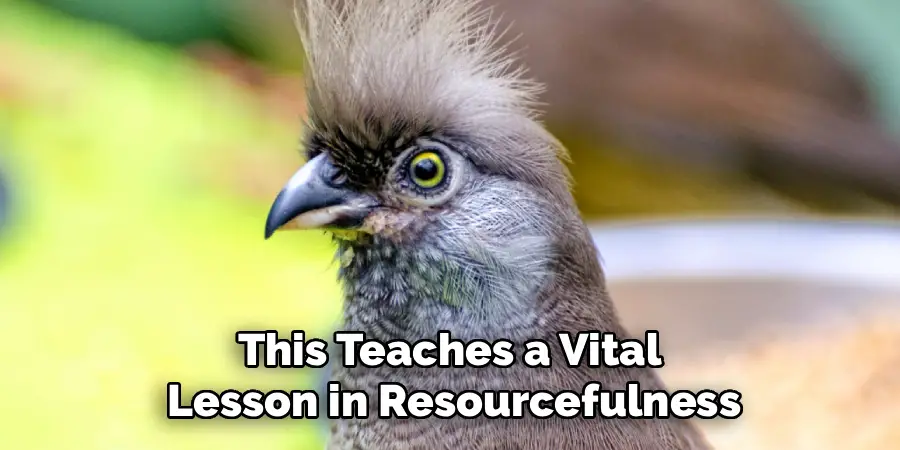
The diet of a Mousebird is incredibly varied. They eat leaves, fruits, flowers, buds, and nectar, showing a remarkable ability to find nourishment in their environment. This teaches a vital lesson in resourcefulness. The Mousebird spirit encourages us to broaden our horizons and to find spiritual, emotional, and physical sustenance in various, sometimes overlooked, sources. It is a reminder that abundance is often all around us if we are willing to try something new.
Symbolism in Appearance: The Crest and Long Tail
The Mousebird’s physical appearance is full of symbolic meaning. Its prominent crest, which rises and falls with its mood, is a particularly potent feature. This crest acts as an external indicator of the bird’s internal state—curious, alarmed, or relaxed. Spiritually, this serves as a reminder to be more aware of our own emotional barometers.
Your Emotional Antenna
Think of the Mousebird’s crest as its “emotional antenna.” It encourages us to pay close attention to our gut feelings, our intuition, and our emotional shifts. These feelings are not random; they are a form of guidance, an internal communication system letting us know if we feel safe, excited, or wary. The Mousebird teaches us to trust these signals and to honor our emotional state as a valid source of information about the world around us.
The bird’s long, stiff tail feathers are another key feature. They often use their tails as a prop, almost like a third leg, to brace themselves while climbing or hanging. This represents the importance of having a strong foundation and a reliable support system to lean on. It is a symbol of the people, beliefs, and practices that keep us stable and balanced as we navigate the branches of our lives.
Cultivating Community with Mousebird Energy
This exercise is designed to help you connect with the communal, supportive energy of the Mousebird spirit. It is an active meditation focused on strengthening your social bonds and recognizing the power of your flock.
Step 1: Identify Your Flock
Take a few moments in a quiet space with a pen and paper. Close your eyes and think about your community. Who are the people that form your core support system? Who do you turn to for comfort, for celebration, for advice? These people are your “flock.” Write down their names, holding a sense of gratitude for each one as you do.
Step 2: Create a Space of Shared Warmth
Next, prepare a comfortable, cozy space that symbolizes the communal huddle of the Mousebirds. You might wrap yourself in a soft blanket, make a warm cup of tea, or simply light a candle. The goal is to create an atmosphere of physical and emotional warmth, a personal sanctuary that represents the safety of the group.
Step 3: The Visualization of Connection
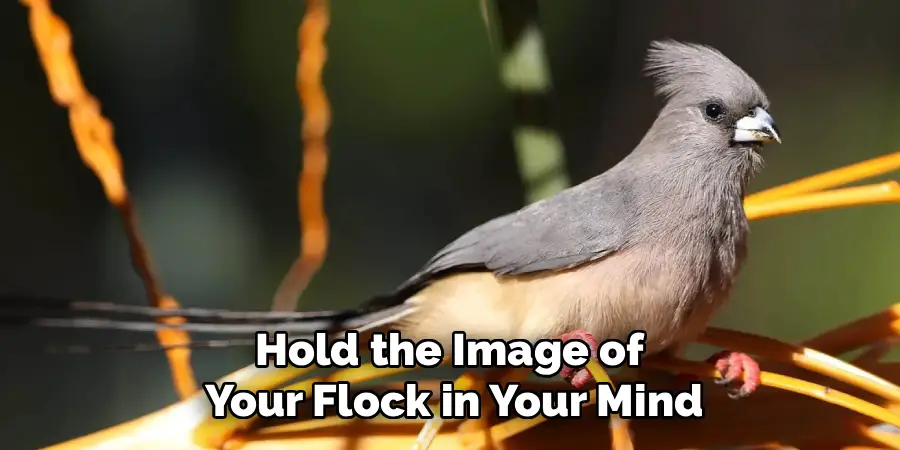
Sit within your warm space, close your eyes, and hold the image of your flock in your mind. Take a deep breath and, as you exhale, visualize beautiful cords of soft, golden light extending from your heart to the heart of each person you named. See these connections strengthening, pulsing with warmth and love. Imagine the collective energy of your flock surrounding you like a protective huddle, a circle of shared strength and affection.
Step 4: An Act of Communal Care
The Mousebird’s wisdom is active, not passive. Within the next 24 hours, perform a small act of service or connection for someone in your flock. It could be a simple text message asking how they are, a phone call to share a laugh, or a small gesture of kindness. This act reinforces the energetic bond and brings the spirit of mutual care into the physical world.
Step 5: Expressing Gratitude
To close the exercise, place a hand over your heart and silently or aloud express gratitude for your community. Thank the universe for the support, love, and connection you receive from your flock. Affirm the Mousebird’s profound lesson: that you are not meant to go through life alone, and that your greatest strength lies in your interdependence.
Encounters in Dreams: Messages from the Flock
When a Mousebird appears in your dreams, it almost always carries a message related to your social life and sense of belonging. The context of the dream is key. Dreaming of a single, isolated Mousebird might signify that you are feeling lonely or disconnected from your community. It is a gentle nudge from your subconscious to reach out and reconnect.
Conversely, dreaming of a large, happy flock of Mousebirds is a very positive omen. It can represent social harmony, success in group projects, and the joy of feeling like you belong. It affirms that you are well-supported by your community and that you are on the right path regarding your social connections.
A Call to Reconnect
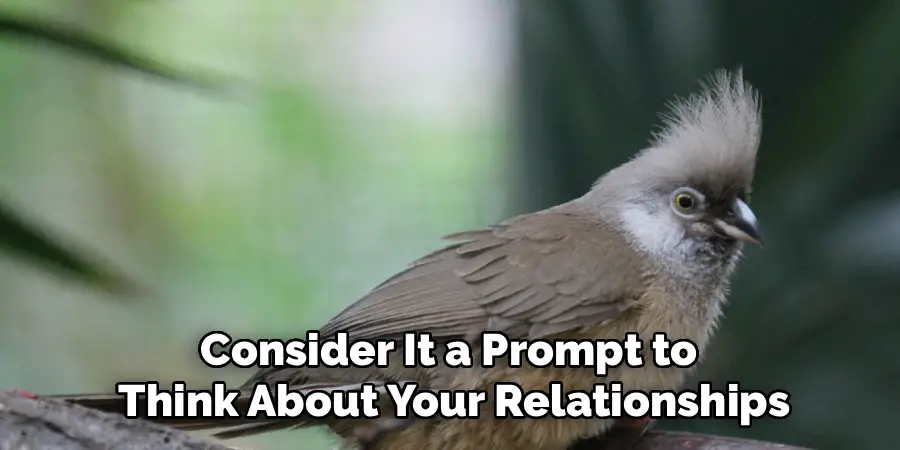
If you dream of a Mousebird, consider it a prompt to think about your relationships. Is there a friend or family member you have lost touch with? The dream may be encouraging you to bridge that distance. The Mousebird spirit works to keep the flock together, and its appearance in a dream may be your own inner wisdom trying to do the same.
The “Mouse” Aspect: Unconventional Movement
The bird’s common name is a direct reference to its mouse-like habit of scurrying through dense foliage rather than flying from branch to branch. This unconventional method of movement carries a deep spiritual lesson about authenticity and permission. The Mousebird teaches us that it is perfectly okay to move through life in a way that is unique to you, even if it seems strange or inefficient to others.
There is no “right” way to navigate your path. The Mousebird permits you to ignore expectations and to find your own way of maneuvering through complex situations.
Navigating Life’s Branches
This scurrying movement also symbolizes the ability to skillfully navigate intricate environments. Life is full of tangled branches—complex relationships, workplace politics, or confusing challenges. The Mousebird’s agility is a metaphor for our own ability to move through these complexities with dexterity and confidence, finding a path where others might only see a thicket.
African Folklore and Cultural Significance
In its native Africa, the Mousebird is a common and familiar sight. While it may not feature in grand creation myths like the eagle or condor, its relationship with humans is telling. Because of their fondness for fruit, Mousebirds are sometimes seen as agricultural pests by farmers. Spiritually, this symbolizes the fine line between resourcefulness and taking too much. It is a subtle reminder to enjoy the abundance of the world with respect and to be mindful of how our actions affect others. Local names for the bird often allude to its social character, reinforcing its identity as a “bird of the people” and a constant, friendly presence in the landscape.
Conclusion
The Mousebird spiritual meaning, symbolism and totem offers a humble yet profound set of teachings for our modern lives. In a world that often glorifies individual achievement, the Mousebird reminds us of a deeper, more ancient truth: we are social creatures who find our greatest strength, happiness, and resilience in community.
This quirky and adaptable bird teaches us to be flexible in our thinking, to communicate openly with our loved ones, and to value the warmth of our “flock.” It permits us to be playful, to approach life from unconventional angles, and to find joy in the simple act of being together. By embracing the spirit of the Mousebird, we learn to cultivate our relationships as our most precious resource, understanding that we are never truly meant to go it alone.
