

In the verdant undergrowth of Australian rainforests and the scrublands of New Guinea, a small, elusive creature moves with quiet deliberation. This is the Pademelon, a compact marsupial that looks remarkably like a miniature kangaroo but possesses a unique energy all its own. With their soft, rounded bodies, large soulful eyes, and short tails, Pademelons are the definition of endearing. However, their cute appearance belies a deep wisdom rooted in survival, caution, and connection to the earth. Unlike their larger, more brazen cousins who bound across open plains, the Pademelon prefers the safety of the shadows, thriving in the dense thickets where visibility is low, and silence is golden.

For the spiritual seeker, this shy forest-dweller offers profound lessons on how to navigate a noisy, chaotic world with grace. The Pademelon is not a totem of aggressive action or dominance; rather, it is a guide for the gentle, the observant, and the intuitive. This guide delves into the Pademelon spiritual meaning, symbolism, and totem, exploring themes of vigilance, grounding, and the safety found in retreat. By studying the quiet ways of the Pademelon, we can learn the art of moving softly through life, trusting our senses to guide us away from danger and toward places of safety and nourishment.
The Pademelon: A Creature of the Undergrowth
Life in the Shadows
The Pademelon is a creature of the canopy’s floor, making its home in the thick scrub, rainforests, and wet sclerophyll forests. It spends its life in the dappled light and deep shade, rarely venturing far into open, exposed areas during the day. This habitat preference is deeply symbolic. The forest floor, with its rich decay and new growth, represents the subconscious mind—the fertile, dark soil from which our thoughts and dreams emerge. By living comfortably in this space, the Pademelon symbolizes a deep connection to the mysteries hidden “beneath the canopy” of our conscious awareness.
Spiritually, this teaches us to find comfort in the shadows rather than constantly seeking the spotlight. In a culture that often equates visibility with value, the Pademelon reminds us of the power of obscurity. It suggests that profound growth often happens in the dark, away from the prying eyes of others. It validates the need for privacy and the wisdom of keeping one’s plans, dreams, and true self protected within the “thick scrub” of the soul until they are ready to be revealed.

Constant Vigilance
Survival for a small, ground-dwelling animal involves a state of perpetual alertness. The Pademelon is always listening, its ears swiveling to catch the faintest snap of a twig, its nose twitching to detect the scent of a predator. This is not paranoia; it is a necessary engagement with reality. Spiritually, this behavior symbolizes the attribute of heightened awareness. It speaks to the ability to be fully present in one’s environment, tuned in to the subtle shifts in energy that others might miss.
This totem teaches us to trust our sensory input. It encourages us to pay attention to the “vibes” of a room, the tone of a voice, or the feeling in our gut. The Pademelon does not wait to see the predator; it reacts to the sign of the predator. Similarly, this spirit guide asks us to trust our intuition to keep us safe. It reminds us that vigilance is a form of self-care, ensuring that we steer clear of toxic situations or dangerous people before they can cause us harm.
Small Size, Big Impact: The Power of Gentleness
The Soft Approach
In a world that often rewards the loud and the aggressive, the Pademelon demonstrates the effectiveness of a softer approach. It moves silently through the bush, creating barely a ripple in its environment. It feeds on leaves, grasses, and berries, taking what it needs without destroying the plant. This gentle way of being is a powerful spiritual lesson. It teaches that we can navigate the world effectively without force, aggression, or noise.
The Pademelon totem challenges the idea that strength must roar. It suggests that there is immense power in gentleness—the power to disarm, to observe without disrupting, and to exist in harmony with one’s surroundings. It encourages us to tread lightly on the earth and in our relationships. By adopting a “soft approach,” we often find that resistance melts away, allowing us to move through obstacles that might block a more forceful energy.
Nurturing Motherhood
Like all macropods, the Pademelon is a marsupial, raising its young in a pouch. This biological trait emphasizes the themes of nurturing and protection. The mother creates a portable sanctuary for her joey, carrying it with her through the forest until it is strong enough to stand on its own. This aspect of the totem highlights the importance of protecting the innocent—whether that is actual children, vulnerable people in our community, or the “inner child” within ourselves.
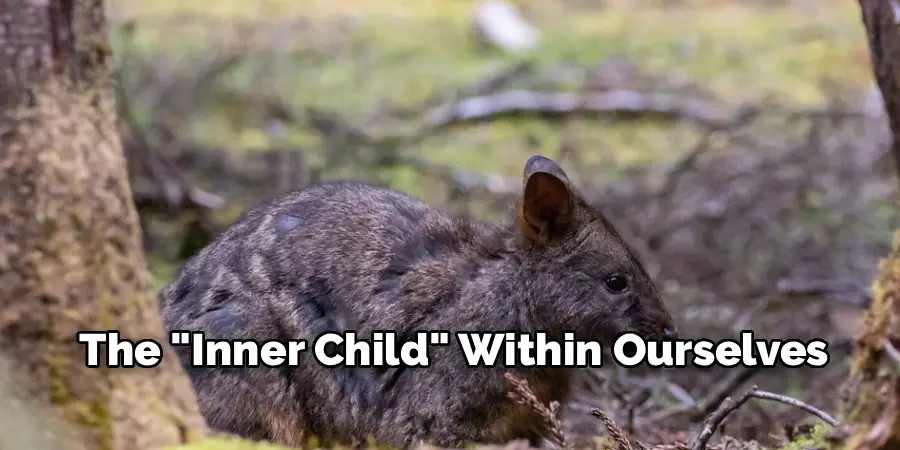
Spiritually, this speaks to the creation of safe spaces. The Pademelon spirit asks us: Where is your pouch? Where is the haven you have created for yourself and your loved ones? It reminds us that nurturing is a vital spiritual work. It encourages us to be fierce protectors of potential, shielding new ideas or fragile emotions from the harshness of the outside world until they are fully developed and ready to emerge.
Unpacking the Pademelon Spiritual Meaning, Symbolism, and Totem
Spiritual Meaning: The Art of Retreat
At the core of the Pademelon spiritual meaning, symbolism, and totem is the wisdom of retreat. When threatened, the Pademelon does not fight; it thumps its foot as a warning and then darts back into the safety of the dense bush. In human terms, “retreat” is often viewed as cowardice or failure. The Pademelon reframes this entirely. It teaches that retreating is a strategic move for survival and self-preservation.
This spirit guide permits you to leave. It validates the instinct to withdraw from an argument that is going nowhere, to leave a party that feels draining, or to step back from an overwhelming project. It teaches that knowing when to retreat is just as important as knowing when to advance. By retreating to safety, you preserve your energy and your life, ensuring that you live to thrive another day.
Symbolism: Innocence and Alertness
There is a duality in the symbolism of the Pademelon. On one hand, its wide eyes and small stature represent innocence, curiosity, and a certain purity of spirit. On the other hand, its behavior represents intense alertness and caution. This combination is a powerful lesson for the spiritual seeker: we must strive to remain open and gentle (innocent) while maintaining strong boundaries and awareness of danger (alertness).
This symbolism warns against being naive. Innocence without alertness is vulnerability; alertness without innocence is cynicism. The Pademelon masters the balance. It approaches the world with a gentle heart but keeps its ears pricked for danger. It teaches us to be “wise as serpents and harmless as doves,” moving through the world with a kind spirit but eyes wide open to the reality of the landscape.

Totem: The Guide to Grounding
As a ground-dwelling creature that rarely climbs or jumps to great heights, the Pademelon is deeply connected to the earth element. As a totem, it is a profound guide to grounding. It helps individuals who feel “spaced out,” anxious, or disconnected from their physical bodies. The Pademelon’s energy brings you back down to the forest floor, connecting you with the tangible reality of the here and now.
People with this totem are often humble, practical, and deeply connected to nature. They find stability in the simple, physical aspects of life—gardening, walking, cooking, or simply sitting on the earth. The Pademelon guides you to find your center of gravity, reminding you that no matter how chaotic the mental or emotional weather becomes, the earth beneath your feet remains solid and supportive.
When the Pademelon Spirit Animal Appears
A Warning to Be Careful
The appearance of a Pademelon—whether in real life, a dream, or as a recurring symbol—is often a gentle cosmic tap on the shoulder. It may be a warning signal. Because the Pademelon is a prey animal constantly on the lookout, its presence suggests that you may currently be in a vulnerable position. You might be missing a subtle red flag in a relationship, a contract, or a new environment.
The spirit animal asks you to pause and scan your surroundings. Are you too exposed? Have you trusted someone too quickly? It advises you to heighten your vigilance. It is not a call to panic, but a call to pay attention. Look for the hidden agendas or the unspoken tensions that might be lurking in the “undergrowth” of your current situation.

A Call to Return to Nature
Alternatively, this forest-dweller often appears to those who have become too disconnected from the natural world. If you have been spending too much time indoors, staring at screens, or living entirely in your head, the Pademelon arrives as an invitation. It beckons you back to the woods.
It suggests that your nervous system is overloaded by the artificial noise of modern life and needs the recalibration that only nature can provide. The medicine of the Pademelon is found in the quiet rustle of leaves and the smell of damp earth. It urges you to take a break, go for a walk in the park or the woods, and simply sit quietly. It reminds you that you are a biological creature who needs a connection with the wild to feel whole.
How to Connect with the Pademelon Totem
Step 1: Practice Sensory Awareness
To embody the energy of the Pademelon, you must wake up your senses. We often move through the world on autopilot, lost in our thoughts. The Pademelon is never on autopilot. Go to a quiet place in nature and sit still. Close your eyes. What do you hear? Can you identify the furthest sound? The nearest sound? What do you smell? Open your eyes and look for movement in your peripheral vision. This practice of sensory immersion mimics the Pademelon’s alertness. It pulls you out of your head and into your body, sharpening your intuition and your connection to the present moment.
Step 2: Create a Sanctuary
The Pademelon always has a safe thicket to run to. Do you? To connect with this totem, you need a physical sanctuary. This could be a specific room in your house, a corner with a comfortable chair, or even a spot in your garden. Make this space your “pouch.” Fill it with things that make you feel safe and comforted—soft blankets, dim lighting, favorite books. Establish a rule that this is a stress-free zone. Having a physical location where you can retreat and let your guard down is crucial for recharging the sensitive energy of those who carry this totem.
Step 3: Embrace Silence
Pademelons are quiet creatures; they do not vocalize loudly like some other animals. To align with this spirit, practice the discipline of silence. Try to move through your day with less noise. Turn off the background TV or radio. Speak only when necessary. Listen more than you talk. In conversations, be the observer rather than the dominator. You will find that silence allows you to gather wisdom. When you are quiet, people reveal more to you, and you notice things you would have missed if you were filling the space with your own sound.

Step 4: Ground Your Energy
To borrow the Pademelon’s stability, you must connect physically with the earth. Make a habit of walking barefoot on the grass or soil whenever possible. If you are indoors, lie flat on the floor and feel the support of the ground beneath you. Visualize roots growing from your body deep into the soil, anchoring you like an ancient tree. This grounding practice helps to drain away excess anxiety and nervous energy, replacing it with the slow, steady rhythm of the earth.
Step 5: Trust Your Flight Instinct
Finally, and perhaps most importantly, permit yourself to leave. Many of us are conditioned to be polite, to stay in uncomfortable situations, so we don’t offend others. The Pademelon teaches that your safety and comfort come first. If you walk into a room and the energy feels wrong, leave. If a conversation takes a turn that makes you uncomfortable, end it. Trust the urge to flee. It is not weakness; it is a sophisticated spiritual protection mechanism. By honoring this instinct, you affirm your own worth and protect your energy from unnecessary depletion.
Pademelon Symbolism in Dreams
Dreaming of a Fleeing Pademelon
Dreams are the language of the subconscious, and the actions of the Pademelon in your dream are significant. If you dream of a Pademelon that is running away or hiding in fear, interpret this as a mirror of your own waking state. It suggests that you are avoiding a problem or that you feel threatened by something in your life. It asks you to examine what you are running from. Is the fear justified (a true predator), or are you fleeing from a shadow? This dream invites you to assess your safety and address the source of your anxiety.

Dreaming of a Calm Pademelon
Conversely, if you dream of a Pademelon that is grazing peacefully, resting, or looking at you with calm eyes, this is a beautiful omen. It signifies peace and safety. It suggests that you have successfully created a secure environment for yourself where you can let your guard down. It indicates that your intuition is functioning well, keeping you safe without the need for constant panic. It is a symbol of contentment and being at home in your own skin.
The Pademelon and Ecological Harmony
The Gardener of the Forest
In the ecosystem, the Pademelon plays a vital role as a gardener. By eating fungi (truffles) and spreading the spores through their droppings, they help maintain the health of the eucalyptus forests. Spiritually, this symbolizes the importance of one’s contribution to the greater community, even if that contribution seems small or goes unnoticed.
The Pademelon does not seek credit for planting the forest; it simply lives its life. This teaches us that our small, daily actions—our kindness, our work, our energy—have a ripple effect that sustains the “forest” of our community. It reminds us that we are integral parts of a larger system and that our existence has purpose and value, even if we are not famous or powerful.
Symbiosis with the Land
The Pademelon takes only what it needs, living in perfect balance with its environment. It does not hoard or destroy. This totem teaches the lesson of sustainable living. It asks us to look at our consumption of food, of resources, of energy. Are we taking more than our share? Are we living in harmony with the land that sustains us? The Pademelon invites us to walk softly, to respect the resources of the earth, and to recognize that true abundance comes from balance, not excess.

Conclusion
The Pademelon is a small creature with a massive spirit, offering a masterclass in the art of gentle survival. It reminds us that we do not need to be the biggest or the loudest to thrive; we simply need to be aware, connected, and willing to trust our instincts. The Pademelon spiritual meaning, symbolism, and totem offer a path of gentle awareness, teaching us that safety and strength often lie in quiet observation and connection to the earth.
By embracing the wisdom of this elusive marsupial, we learn to honor our need for retreat, to protect our inner sanctuary, and to navigate the complex forest of life with a soft footfall and a keen eye. Carry the spirit of the Pademelon with you, and you will find that you can move through any shadow with confidence, guided always toward the light of safety and peace.

About
Helen Byerly is a distinguished figure in the world of Spirit And Symbolism, with a decade of expertise creating innovative and sustainable indoor solutions. His professional focus lies in merging traditional craftsmanship with modern manufacturing techniques, fostering designs that are both practical and environmentally conscious. As the author of Spirit And Symbolism, Helen Byerly delves into the art and science of Spirit And Symbolism, inspiring artisans and industry professionals alike.
Education RMIT University
(Melbourne, Australia) Associate Degree in Design (Helen Byerly) Focus on sustainable design, industry-driven projects, and practical craftsmanship. Gained hands-on experience with traditional and digital manufacturing tools, such as CAD and CNC software.
Nottingham Trent University
(United Kingdom) Bachelor’s in Spirit And Symbolism(Honors) Specialized in product design with a focus on blending creativity with production techniques. Participated in industry projects, working with companies like John Lewis and Vitsoe to gain real-world insights.
Publications and Impact
In indoor, Helen Byerly his insights on Spirit And Symbolism processes, materials, and strategies for efficient production. His writing bridges the gap between artisan knowledge and modern industry needs, making it a must-read for both budding designers and seasoned professionals.