

We frequently dismiss tiny creatures as insignificant. A bias in human observation equates physical size with spiritual consequence. We look to the bear for strength or the eagle for vision, yet we ignore the profound messages carried by the smallest inhabitants of the brush. The Red Avadavat shatters this assumption entirely. This tiny, jewel-like bird flashes in brilliant crimson, commanding immediate attention despite its diminutive stature.
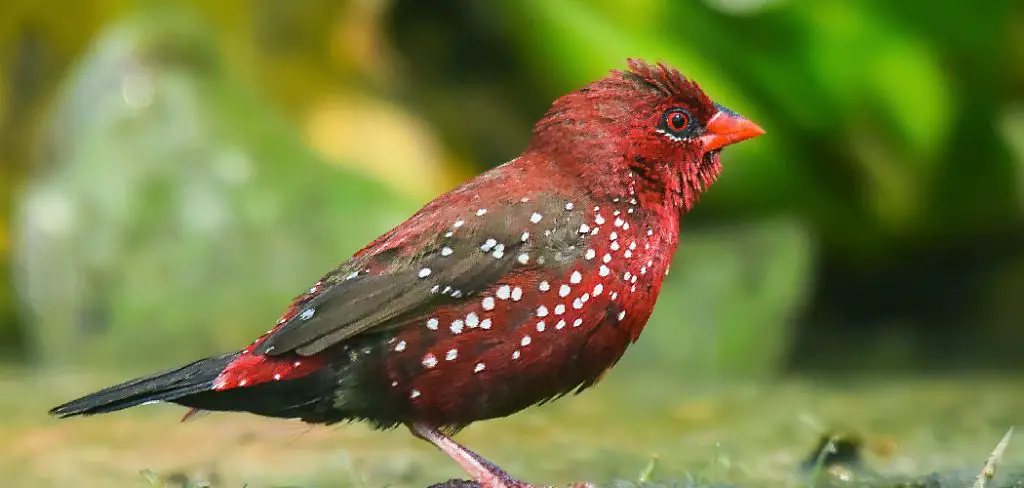
Also known as the Strawberry Finch, this vibrant animal appears to carry intense spiritual weight for those willing to look closely. The purpose of this analysis is to explore the specific Red Avadavat Spiritual Meaning, Symbolism and Totem. We will focus our inquiry on its apparent lessons regarding passion, social harmony, and the necessary appreciation of life’s microscopic wonders. Understanding the energetic signature of this highly social bird might provide a sudden burst of vibrancy for individuals feeling isolated or creatively stagnant. Sometimes the most significant spiritual awakenings arrive in the smallest, most unexpected packages.
The Vibrant World of the Red Avadavat
To extract genuine philosophical meaning from an animal, one must first examine the biological realities of its existence. Superimposing abstract concepts onto a creature without understanding how it actually lives usually results in hollow interpretations. The Avadavat presents a fascinating set of behavioral and physical adaptations.
Appearance and the ‘Strawberry’ Name
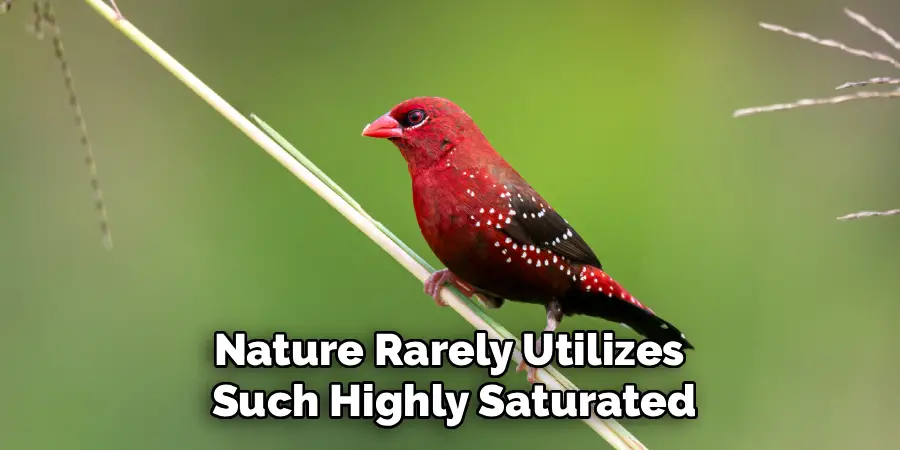
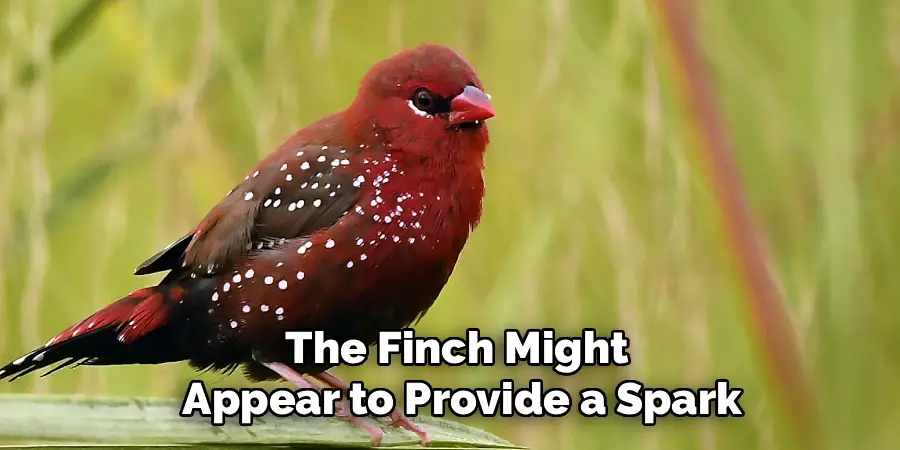
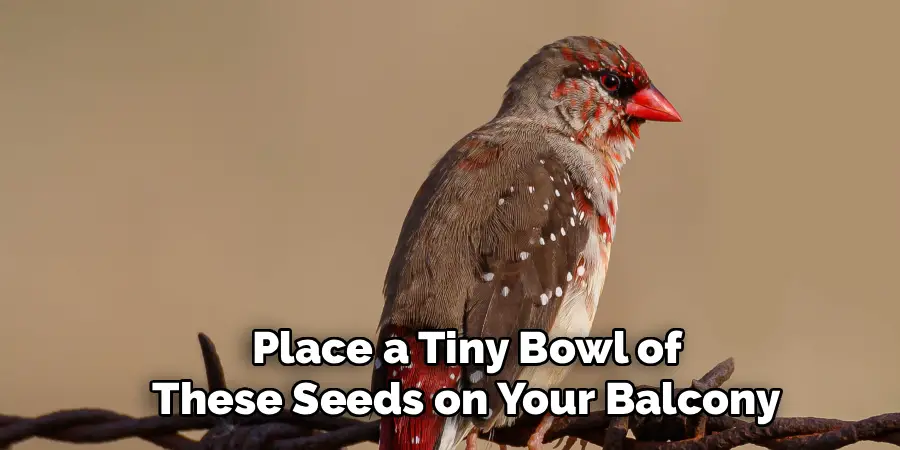
The visual impact of the male Red Avadavat during breeding season is startling. Nature rarely utilizes such highly saturated, unapologetic reds outside of poisonous warnings or intense mating displays. The male transforms into a spectacular crimson figure dotted with distinct white spots along its flanks and wings. This specific patterning directly inspired the common moniker “Strawberry Finch.”
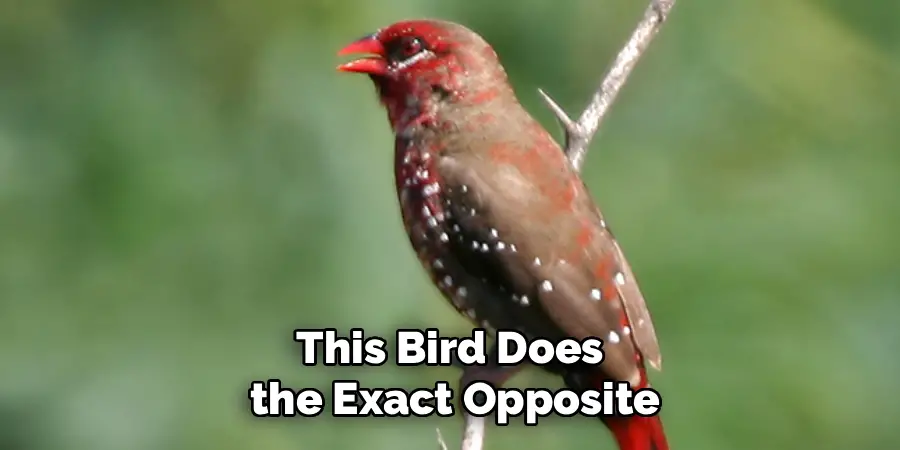
Interestingly, this brilliant display is temporary. The non-breeding male and the female maintain a much more subdued, brownish-grey appearance, though they retain the characteristic red bill and subtle red undertones. This biological shifting of colors could suggest a natural rhythm to our own passions. We cannot exist in a state of constant, burning intensity. There are seasons for bright display and seasons for quiet, camouflaged rest.
Social Behavior and Habitat
These birds absolutely despise isolation. They are highly gregarious creatures, frequently found moving rapidly in large, chattering flocks through tall, damp grasses and reed beds. Their natural habitat centers around water sources and marshlands across tropical Asia.
They forage collectively. A flock will descend upon a patch of seeding grass, communicating constantly with high-pitched chirps to maintain group cohesion. This dietary reliance on tiny grass seeds highlights a life sustained by minute details. They do not hunt massive prey. They survive, and indeed thrive, by gathering abundance in its smallest possible forms.
Core Symbolic Meanings of the Red Avadavat
When we translate these natural behaviors into a spiritual vocabulary, several distinct themes begin to emerge. The bird serves as a mirror for our own social and emotional drives.
The Symbolism of Passion and Vibrant Energy
Color psychology strongly informs the spiritual interpretation of this finch. Across almost all human cultures, the color red correlates directly with life force, blood, romantic love, and intense creative energy. The brilliant crimson of the breeding male acts as a concentrated visual representation of these concepts.
The Avadavat serves as a powerful reminder to stop muting your true colors. Society frequently pressures individuals to blend into the background to avoid causing friction. This bird does the exact opposite. It suggests that embracing your deepest passions and expressing them boldly is a necessary component of a healthy existence. It asks you to locate the source of your own internal fire and allow it to become visible to the outside world.
The Importance of Community and Social Harmony
A single Avadavat is a rare and usually distressed sight. Their entire survival strategy relies on the collective awareness of the flock. In a symbolic context, this behavior points heavily toward the value of human connection.
We live in an increasingly fractured, highly individualized era. The flocking nature of the Strawberry Finch provides a gentle critique of extreme isolationism. It teaches that true strength is frequently found in numbers. Sharing experiences, communicating constantly, and relying on the mutual protection of a chosen family might offer far more security than attempting to navigate the world entirely alone.
Appreciating the Small Wonders
The dietary habits of the finch offer a profound philosophical lesson. It sustains its brilliant energy entirely on tiny, seemingly insignificant seeds. We often wait for massive, life-altering events to allow ourselves to feel joy or gratitude. We look right past the mundane realities of our daily routines.
The Avadavat reminds us that immense beauty exists in the microscopic details. It encourages a shift in perspective. Instead of waiting for a grand validation, the bird prompts you to find the “seeds” of joy scattered throughout your current environment. A perfect cup of coffee, a brief moment of sunlight, or a brief conversation with a stranger can provide the exact emotional nourishment you require.
The Red Avadavat as a Spirit Animal
The arrival of a specific animal guide usually coincides with an emotional deficit in the observer. If the Red Avadavat continually appears in your media, your thoughts, or your physical environment, it likely carries a highly specific diagnostic message.
When the Red Avadavat Spirit Animal Arrives
You will rarely feel a connection to this bird when your life feels perfectly balanced and socially fulfilling. It tends to materialize during periods of profound grayness. If you are experiencing a severe creative block or feeling completely disconnected from your previous passions, the finch might appear to provide a spark.
It also makes its presence known during times of social withdrawal. If you have secluded yourself due to depression or simple overwork, the energy of this highly social bird arrives to disrupt that isolation. It functions as a psychological alarm bell, warning you that you have strayed too far from your community.
Messages Your Avadavat Guide Brings
The primary instruction from this guide involves reigniting your internal pilot light. The bird might be calling you to pick up an abandoned hobby or to finally act upon a romantic feeling you have been suppressing. It demands that you introduce color back into your routine.
Furthermore, the guide offers a gentle push toward the front door. It encourages you to reach out to your friends. The message could be a direct instruction to stop trying to solve every problem in solitary confinement. Seek out your flock.
A Guide to the Red Avadavat Spiritual Meaning, Symbolism and Totem
Passively acknowledging these concepts rarely results in actual psychological change. You must physically and mentally engage with the energy of the bird to integrate its lessons. The following sequence offers practical methods for channeling this vibrant energy into your daily life.
Step 1: Immerse Yourself in the Color Red
Connecting with the core energy of this creature begins with visual stimulation. You need to intentionally introduce the color red into your immediate environment to trigger the associated psychological responses of passion and vitality. You could approach this by lighting a crimson candle during your morning routine. Holding a red crystal, such as carnelian or a rough ruby, during meditation also serves as a strong physical anchor. If you lack physical objects, simply sit quietly and visualize a heavy, warm red light filling your chest cavity. This specific visualization helps bypass analytical anxiety and connects you directly to the bird’s raw life force.
Step 2: Practice “Joy Spotting”
The finch survives by locating tiny seeds hidden within vast fields of grass. You must train your brain to perform a similar function regarding happiness. Go about your standard day with the specific, conscious intention of “joy spotting.” The goal is to identify and mentally log at least ten very small things that bring a brief moment of satisfaction. This might involve noticing the specific texture of a woven blanket, the sound of rain hitting a window, or the exact smell of a bakery you walk past. This exercise forces your brain out of its natural negative bias. It trains you to actively harvest the tiny, abundant blessings that you normally ignore.
Step 3: Engage in a Community Activity
Theoretical appreciation for community holds no value without actual social contact. You must take a physical action inspired by the bird’s flocking behavior. The scale of this action does not matter, but the intention does. Call a friend you have not spoken to in months just to hear their voice. Join a local neighborhood cleanup crew or attend a small workshop related to your interests. The specific activity is secondary to the act of intentionally placing yourself within a group of human beings. You are attempting to foster a sense of belonging, which neutralizes the toxic effects of prolonged isolation.
Step 4: Start a Small Creative Project
The brilliant display of the male Avadavat is a form of natural art. Channel this creative spark into your own life by initiating a highly manageable project. The key here is to keep the scope small enough that it does not trigger performance anxiety. Do not attempt to write a novel in a week. Instead, sketch a single flower in a notebook. Try cooking a completely new, brightly colored recipe for dinner. Arrange a small bouquet of wildflowers for your kitchen table. The focus should rest entirely on the playful act of creation, completely divorced from any pressure to produce a masterpiece.
Step 5: Create a Gratitude Offering
Solidifying a spiritual practice often requires a physical gesture of acknowledgement. Suggesting a small offering based on the Avadavat’s diet creates a beautiful cyclical connection between your intentions and the natural world. Purchase a small bag of high-quality birdseed. Place a tiny bowl of these seeds on your balcony, your windowsill, or a quiet spot in your garden. As you set the bowl down, mentally list three specific things you are currently grateful for. This symbolic act serves as a physical representation of your newfound appreciation for life’s tiny, abundant details.
The Red Avadavat Totem Animal
Possessing a specific totem animal indicates a permanent psychological framework rather than a temporary phase of guidance. Individuals carrying the energy of the Strawberry Finch interact with the world through a highly specific, fundamentally optimistic lens.
Characteristics of an Avadavat Person
Someone who embodies this totem typically lights up a room the moment they enter. They are not necessarily loud or domineering, but they radiate a cheerful, irrepressible energy. These individuals thrive almost exclusively in group settings. They are the social glue that holds disparate friend groups together, constantly organizing gatherings and checking in on marginalized members of their circle.
An Avadavat person possesses a deeply passionate nature. When they love a subject, a hobby, or a partner, they do so with absolute, unhidden enthusiasm. They lack the cynical detachment that many people use as a defense mechanism. Their unique superpower lies in their ability to find genuine joy in the mundane. While others complain about the monotony of a Tuesday afternoon, the Avadavat person is usually marveling at the specific shade of blue in the sky.
Calling on the Avadavat’s Power
You do not need to be born with this specific energetic signature to utilize its benefits. You can intentionally invoke the Avadavat’s power when facing specific emotional hurdles. If you are preparing to attend a social gathering where you know nobody, visualizing the confident, flocking nature of the finch can provide a sudden boost of social courage.
It is also an incredibly useful energy to summon when you feel trapped in a cycle of pessimism. When the world feels relentlessly dark and heavy, calling upon the Strawberry Finch forces your attention downward to the small, beautiful details you are currently ignoring. It serves as a rapid, effective antidote to intellectual despair.
The Red Avadavat in Dreams
The subconscious mind frequently utilizes the striking imagery of this specific bird to bypass our waking defenses. Analyzing its appearance in the dream state provides highly targeted psychological feedback.
Dreaming of a Flock of Red Avadavats
Witnessing a massive group of these birds moving together in a dream generally serves as a highly positive omen regarding your social ecosystem. The dream suggests that you are currently situated within a supportive, joyful community. It might point toward impending celebrations or successful collaborations. Alternatively, if you are currently isolated, this dream acts as a subconscious directive. Your mind is essentially starving for social interaction and is displaying images of flocking to prompt you into seeking out human connection.
Dreaming of a Single, Bright Red Avadavat
If the dream focuses entirely on one brilliantly colored male bird, the interpretation shifts toward the realm of personal passion. Seeing a single flash of red in a dreamscape often represents a direct message from your subconscious regarding a feeling you are actively suppressing. It could indicate a sudden, undeniable romantic attraction. It might also suggest that a creative project you abandoned years ago is demanding your attention once again. The bright color is a flare sent up by your psyche, demanding that you stop ignoring your truest desires.
Cultural Significance and Symbolism
The Red Avadavat holds a distinct place in human history, specifically within the regions of Asia where it naturally occurs. The scientific name itself, Amandava amandava, points directly to its cultural past. The name derives from the city of Ahmedabad in Gujarat, India, which served as a massive historical trading hub for these birds.
For centuries, humans have been captivated by the finch’s spectacular coloration and cheerful disposition, making it a highly prized feature in the global pet trade. While the ethics of caging wild birds have thankfully evolved, this historical fascination speaks volumes about humanity’s innate attraction to the concepts the bird represents. We are drawn to it because it embodies the universal human desire for beauty, joy, and sociability. Its cultural symbolism remains remarkably consistent across different regions. It stands as an enduring, universal representation of love, unbridled creative energy, and the simple pleasure of existing within a harmonious community.
Conclusion
We spend vast amounts of energy waiting for grand, cinematic moments to validate our existence. The tiny, crimson finch of the Asian wetlands suggests that this approach is entirely backward. The Red Avadavat Spiritual Meaning, Symbolism and Totem provides a compelling argument for living loudly and appreciating the microscopic. It teaches us that passion does not require a massive stage. It proves that immense strength is derived from our social connections rather than our isolated independence.
Most importantly, it asks us to stop overlooking the tiny seeds of joy scattered directly at our feet. One does not need to be physically large or overwhelmingly powerful to have a significant, vibrant impact on the world. Look for the small wonders hidden within your daily routine. Embrace your own inner spark, seek out your flock with intention, and never apologize for expressing your true colors to the world around you.

About
Jennifer Branett is a distinguished figure in the world of Garden design, with a decade of expertise creating innovative and sustainable indoor solutions. His professional focus lies in merging traditional craftsmanship with modern manufacturing techniques, fostering designs that are both practical and environmentally conscious. As the author of garden, Jennifer delves into the art and science of garden-fix, inspiring artisans and industry professionals alike.
Education RMIT University
(Melbourne, Australia) Associate Degree in Design (Jennifer Branett) Focus on sustainable design, industry-driven projects, and practical craftsmanship. Gained hands-on experience with traditional and digital manufacturing tools, such as CAD and CNC software.
Nottingham Trent University
(United Kingdom) Bachelor’s in Garden and Product Design (Honors) Specialized in product design with a focus on blending creativity with production techniques. Participated in industry projects, working with companies like John Lewis and Vitsoe to gain real-world insights.Publications and Impact
In indoor, Jennifer Branett his insights on Garden design processes, materials, and strategies for efficient production. His writing bridges the gap between artisan knowledge and modern industry needs, making it a must-read for both budding designers and seasoned professionals.