

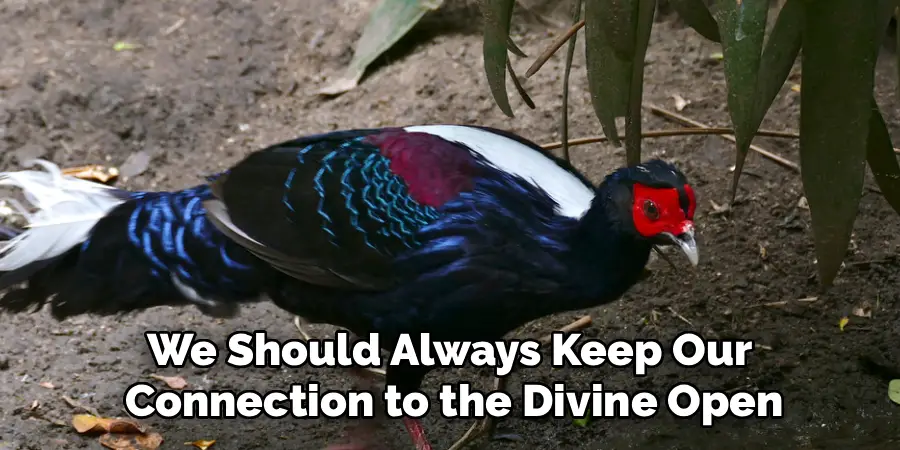
Deep within the ancient broadleaf forests of Taiwan, a flash of iridescent blue moves with quiet dignity. This is the Swinhoe’s Pheasant (Lophura swinhoii), a bird of such striking beauty that it seems to carry the secrets of the woodlands in its very plumage. With its royal blue body, contrasting white crest, and bold red wattles, this pheasant is a living jewel, a symbol of hidden beauty and noble grace. Native only to the mountainous heart of Taiwan, its presence is a reminder of the unique magic that thrives away from the noise of the modern world.
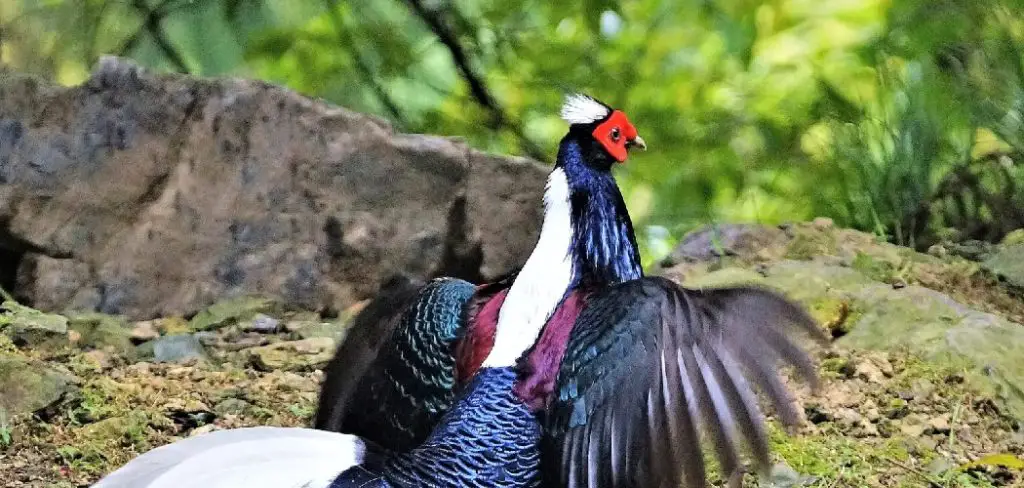
This bird is more than just a beautiful creature; it is a powerful spiritual messenger. It speaks of refinement, calm authority, and the delicate balance between being seen and being discreet. To encounter the Swinhoe’s Pheasant, whether in nature or through spirit, is to be invited into a world of quiet contemplation and inner nobility. This is a guide for those who seek to walk through life with elegance and purpose.
In this article, we will uncover the Swinhoe’s Pheasant spiritual meaning, symbolism and totem wisdom. We will explore the lessons hidden in its vibrant colors, its secretive habits, and its majestic courtship displays. The Swinhoe’s Pheasant is a guide for stepping into leadership with grace, communicating your truth with clarity, and celebrating the unique heritage that makes you who you are.
The Symbolism of Royal Blue: Authority and Calm
The most breathtaking feature of the male Swinhoe’s Pheasant is its deep, shimmering royal blue plumage. This is not a flat color but an iridescent sheen that catches the light, shifting from sapphire to midnight. In spiritual traditions, the color blue is deeply connected to two crucial energy centers: the Throat Chakra (Vishuddha), which governs communication and truth, and the Third Eye Chakra (Ajna), which is the seat of intuition and inner vision.
The Swinhoe’s Pheasant, draped in this powerful color, symbolizes calm authority and clear-headed leadership. It is the energy of a king who does not need to shout to be heard; his presence alone commands respect. This bird teaches that true power comes not from force, but from a place of deep inner peace, clarity, and truth. When you connect with the energy of this pheasant, you are encouraged to speak your truth with confidence and to trust the wisdom of your own intuition.
Nobility and Grace
The rich blue of the pheasant is often associated with royalty and nobility. However, this is not the nobility of birthright or material wealth, but the nobility of the spirit. The Swinhoe’s Pheasant teaches us how to carry ourselves with an innate sense of dignity and grace, regardless of our external circumstances. It is a reminder to act with integrity, to treat others with respect, and to hold ourselves to a higher standard of conduct. This is the energy of a quiet confidence that radiates from within.
Deep Emotional Healing
Blue is also the color of water, representing the deep and often turbulent world of our emotions. The calm, deep blue of the Swinhoe’s Pheasant offers a healing balm for a troubled heart. Its energy can help to soothe emotional storms, bringing a sense of peace and tranquility to our inner landscape. This bird guides us to dive into our emotional depths not with fear, but with the calm assurance that we can navigate any current and emerge with greater wisdom and clarity.
Swinhoe’s Pheasant as a Totem Animal
When Swinhoe’s Pheasant appears as a totem animal, it signifies that you are a person of elegance, keen observation, and refined taste. Individuals with this totem are often quiet and introspective, preferring meaningful connections with a few people over large, superficial social gatherings. They possess a natural grace that draws others to them, though they may not actively seek the spotlight.
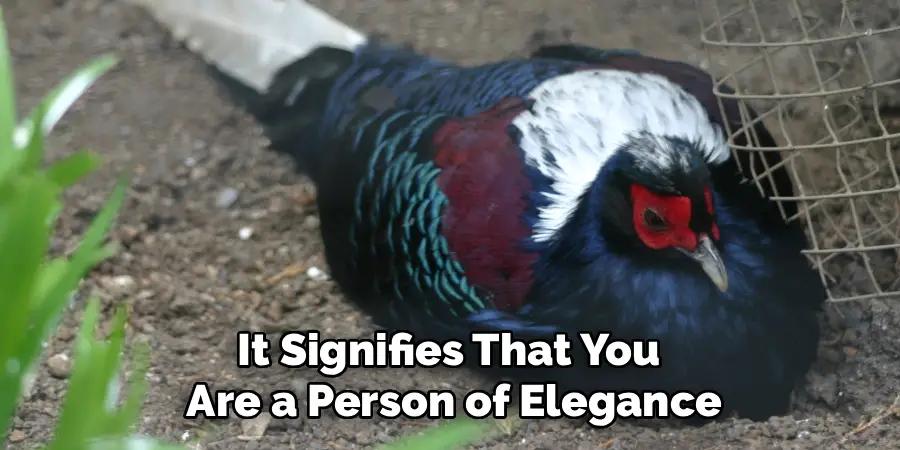
This totem often appears in the lives of those who are being called to step into a leadership role, but who may be hesitant to do so. The pheasant teaches that you do not need to be loud or aggressive to lead effectively. Your power lies in your quiet confidence, your integrity, and your ability to see the bigger picture. It is a guide for refining your public image and ensuring that your outer self is an authentic reflection of your noble inner spirit.
The Silent Observer
The Swinhoe’s Pheasant spends much of its time foraging quietly in the forest undergrowth, watching and listening. As a totem, it imparts the wisdom of observation before action. People with this totem are not impulsive; they prefer to gather all the facts, assess the situation from multiple angles, and only then make a move. This makes them excellent strategists, advisors, and problem-solvers. They understand that silence and stillness are powerful tools for gaining information.
Balancing Solitude and Social Connection
This totem animal teaches a masterful lesson in social balance. It knows when to retreat into the quiet solitude of the forest to recharge and reflect, and it knows when to step out into a clearing to display its magnificent colors. For the totem carrier, this translates to honoring their need for alone time without becoming a recluse. It is about finding the perfect rhythm between introspection and social engagement, understanding that both are necessary for a healthy spirit.
Habitat Wisdom: The Magic of the Understory
The Swinhoe’s Pheasant makes its home in the understory of Taiwan’s mountainous broadleaf forests. This is a realm of filtered light, damp earth, and deep shadows. Spiritually, this habitat represents the wisdom that can be found in the “lower worlds” of shamanic tradition, or in the depths of our own subconscious. While the bird wears the colors of the sky (blue), its feet are firmly planted on the ground, teaching the crucial lesson of staying grounded even while pursuing high spiritual ideals.
This environment is not always easy to navigate. It is a place of tangled roots and hidden paths. The pheasant’s ability to move through this complexity with grace is a powerful metaphor for our own lives. It teaches us to find magic in the shadows, to see the beauty in complexity, and to trust that even in the darkest parts of our journey, there is a path forward.
Uncovering Hidden Treasures
The pheasant’s primary activity is foraging for seeds, fruits, and insects on the forest floor. This symbolizes the spiritual skill of finding nourishment in unlikely places. It is a reminder that spiritual sustenance, creative inspiration, and profound insights are not always found in obvious, well-lit places. Sometimes, you have to dig through the leaf litter of your own mind and heart to uncover the hidden treasures that are waiting for you.
Swinhoe’s Pheasant Spiritual Meaning, Symbolism and Totem in Dreams
When the Swinhoe’s Pheasant glides into your dreamscape, it carries a message of honor, integrity, and self-worth. The appearance of this noble bird is often a sign that your hard work and quiet dedication are about to be recognized. It is a potent symbol that should be interpreted with care.
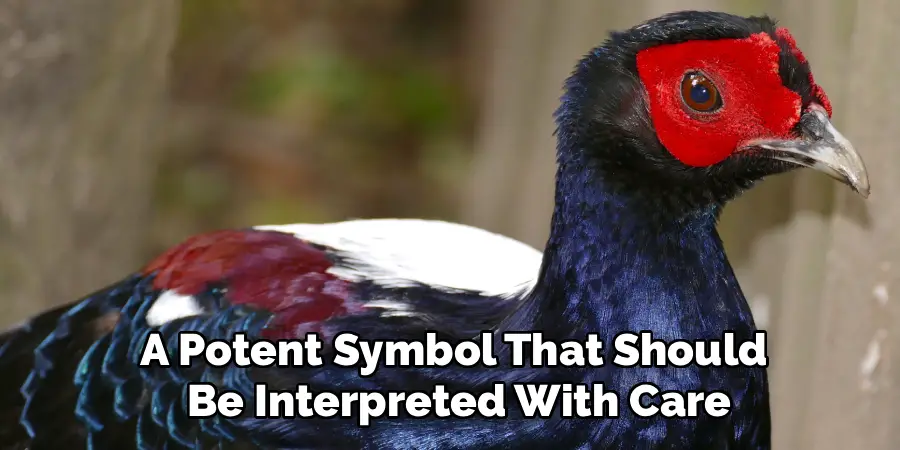
A dream featuring a male pheasant in full display, with his colors vibrant and his posture confident, often foretells success and public recognition. It can signify a promotion, an award, or simply the acknowledgment of your integrity by your peers. It is an affirmation that it is safe to be seen and to show your true colors. Conversely, dreaming of a pheasant hiding in the undergrowth may be a sign that you need to be more discreet. It could be a warning to protect your ideas or your energy from those who might not have your best interests at heart.
Messages of Honor
The Swinhoe’s Pheasant, with its regal bearing, is a powerful dream symbol of honor. Dreaming of this bird can indicate that you will soon be recognized for your moral character or that you are about to receive a well-deserved honor. It is a validation from your subconscious that the path of integrity you have been walking is the correct one. It encourages you to continue acting with grace and dignity.
Warnings Against Vanity
While the bird’s beauty is a gift, it can also come with a warning in dreams. If the dream has an unsettling or negative feel, it may be cautioning you against becoming too focused on external appearances or letting your ego take control. The pheasant’s beauty is natural and effortless; the dream may be a reminder to cultivate your inner nobility rather than chasing external validation or becoming vain about your accomplishments.
Awakening the Inner Nobility
Connecting with the spirit of Swinhoe’s Pheasant can help you embody its qualities of grace, calm, and quiet authority. This guided meditation is designed to help you awaken the sense of inner nobility that resides within you.
Step 1: Creating a Sacred Space
Prepare a quiet, calm, and dimly lit space where you will not be disturbed for 15-20 minutes. The energy of this bird responds well to the color blue and the element of water. You might choose to light a blue candle or place a bowl of water nearby. If you have crystals, lapis lazuli or sodalite are excellent companions for this journey as they resonate with the Throat and Third Eye Chakras.
Step 2: The Visualization of the Blue Forest
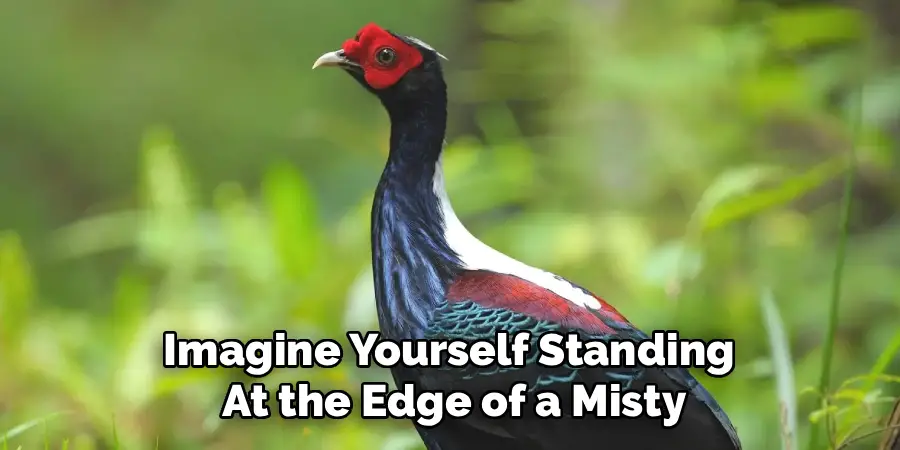
Sit comfortably, close your eyes, and begin to deepen your breath. Imagine yourself standing at the edge of a misty, ancient forest in the mountains of Taiwan. The air is cool, silent, and filled with the scent of damp earth and leaves. As you step into the forest, the light filters through the dense canopy, casting everything in a soft, blue-toned haze. Feel a sense of profound peace and timelessness settle over you.
Step 3: Invoking the Blue Flame
As you walk deeper into this sacred forest, you see a flash of iridescent blue. The Swinhoe’s Pheasant steps out from behind a tree fern, its plumage shimmering. It looks at you with calm, intelligent eyes. Visualize the deep blue of its feathers becoming a soft, cool flame of light. See this blue flame gently wrap around your throat, clearing any blockages to communication. Then, feel it rise to your forehead, activating your third eye with a gentle coolness, bringing clarity to your thoughts.
Step 4: Silent Affirmation
The pheasant turns and walks silently back into the forest. For the next several minutes, simply sit in absolute silence. Do not try to think or analyze. Absorb the pheasant’s quiet power. This is not an empty silence, but a rich, full silence, pregnant with wisdom and observation. In this stillness, you internalize the lesson that your presence is powerful enough; you do not need noise to prove your worth.
Step 5: Returning with Grace
When you feel ready, slowly bring your awareness back to your body. Before you open your eyes, consciously adjust your posture. Sit up a little straighter, lengthen your neck, and relax your shoulders. Feel the shift in your energy as you adopt a posture of nobility. Carry this feeling with you as you gently open your eyes and return to the physical world.
The White Crest: Spiritual Enlightenment and Vision
Contrasting beautifully with its deep blue body and red face is the male Swinhoe’s Pheasant’s striking white crest and upper back. In spiritual symbolism, white represents purity, truth, and a connection to the divine. The placement of this white patch on the bird’s head and back is highly significant.
The white crest acts as a crown, symbolizing a direct link to higher consciousness and spiritual enlightenment. It suggests the receiving of divine inspiration or “higher thought.” While the bird is grounded on the earth and robed in the emotional depth of blue, its crown is open to the heavens. This teaches a vital spiritual lesson: to be truly whole, we must integrate our earthly existence with our spiritual aspirations.
The Crown Connection
The white crest is directly linked to the energy of the Crown Chakra (Sahasrara), the center of spiritual connection and universal consciousness. The pheasant reminds us that even as we navigate the complexities of daily life, we should always keep our connection to the divine open. The white crest is a beacon, a sign that we are always guided by a higher wisdom, even when we are foraging in the shadows.
Courtship and Display: The Art of Presentation
The courtship display of the male Swinhoe’s Pheasant is an elaborate and beautiful ritual. He fans his tail, puffs out his chest, and displays the full glory of his colors to attract a mate. This is not an act of aggression, but a masterful presentation of his health, vitality, and genetic fitness.
Spiritually, this translates into a lesson about how we present our gifts and our true selves to the world. It is about knowing your worth and having the confidence to display it when the time is right. This is not about showing off, but about an authentic and intentional sharing of your unique talents.
Intentional Vulnerability
To show your true colors so fully is an act of profound vulnerability. The pheasant’s display teaches us that this vulnerability is not a weakness, but a strength. It is through this authentic self-expression that we attract the right opportunities, the right partnerships, and the right “tribe” into our lives. When you are brave enough to be fully yourself, you give others the chance to see and appreciate you for who you truly are.
Endemism and Uniqueness: Celebrating Individual Identity
One of the most powerful spiritual lessons from the Swinhoe’s Pheasant comes from the simple fact that it is endemic to Taiwan. It is found nowhere else on Earth. This specificity gives the bird a potent energy of uniqueness and a deep connection to its place of origin.
This is a powerful message for us to celebrate our own unique heritage, our roots, and the specific life path that is ours alone. In a world that often pressures us to conform, the Swinhoe’s Pheasant is a totem of individuality. It reminds us that our power lies not in being like everyone else, but in embracing the very things that make us different.
The Power of Niche
The pheasant does not try to survive in the desert or the Arctic; it thrives in its specific forest environment. This teaches the spiritual lesson of finding your niche. You do not need to be everything to everyone. Your purpose is to flourish in the specific environment—be it a career, a community, or a relationship—that is perfectly suited to your unique skills and spirit. There is immense power in being a master of your own small corner of the world.
Conclusion
The Swinhoe’s Pheasant spiritual meaning, symbolism and totem is a rich tapestry of nobility, grace, and quiet power. This magnificent bird, a treasure of Taiwan’s mountain forests, teaches us to integrate the sky and the earth, the spiritual and the emotional. It guides us to walk with a natural dignity, to speak our truth with calm authority, and to find strength in silent observation.
By connecting with the spirit of the Swinhoe’s Pheasant, we are encouraged to refine our character, to honor our unique identity, and to balance our need for solitude with the joy of genuine connection. Let its royal blue plumage remind you of your own inner depths, its white crest connect you to higher wisdom, and its quiet movements guide you to act with purpose and precision. Walk with the grace of the pheasant, and trust in the profound beauty of your own silent strength.
