

Arid landscapes challenge the very concept of survival. Scorching sun and freezing nights quickly eliminate those unprepared for extremes. Yet, the Desert Lark navigates this wasteland with surprising grace.
Understanding the Desert Lark spiritual meaning, symbolism and totem requires us to look closely at environmental adaptation. This small, earth-toned bird builds its existence directly on parched soil. Its quiet persistence appears to indicate that life does not always require lush surroundings to flourish.
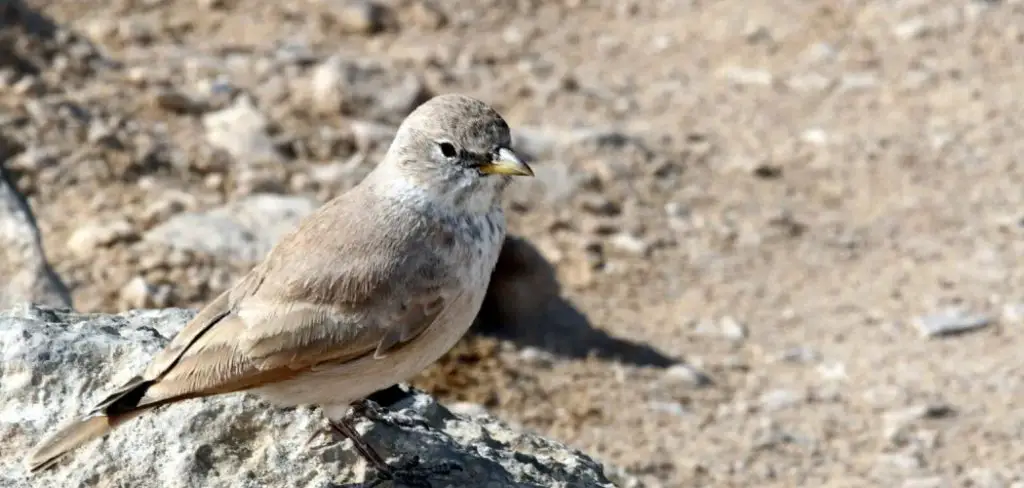
We will explore how this bird uses camouflage to avoid predators. Observing its solitary habits might offer practical insights for our own periods of isolation. You could discover that spiritual dryness is not a punishment, but rather an invitation to adapt.
The Foundation Of Desert Lark Spiritual Meaning
Spiritual interpretations often mirror biological realities. The Desert Lark spends its entire life in rocky, unforgiving terrain. This profound connection to the dust may suggest a deep need for spiritual grounding.
When your emotional landscape feels barren, this bird reminds you to lower your expectations of constant comfort. Finding stability on hard ground protects you from the disappointment of mirages. You do not need a jungle to build a home.
Thriving In Arid Landscapes
Deserts offer very little obvious shelter. Still, the female lark constructs a highly insulated nest using small stones and dry grass. This behavior perhaps points toward our own innate ability to create safety from minimal resources.
Waiting for ideal conditions often leads to total paralysis. Using the pebbles immediately available to you often yields surprising results. The lark teaches us to stop demanding an oasis.
The Metaphor Of The Dry Season
Most people fear the dry seasons of their lives. We associate a lack of emotional outpouring with spiritual death. The Desert Lark’s daily routine could imply that dryness actually forces necessary conservation.
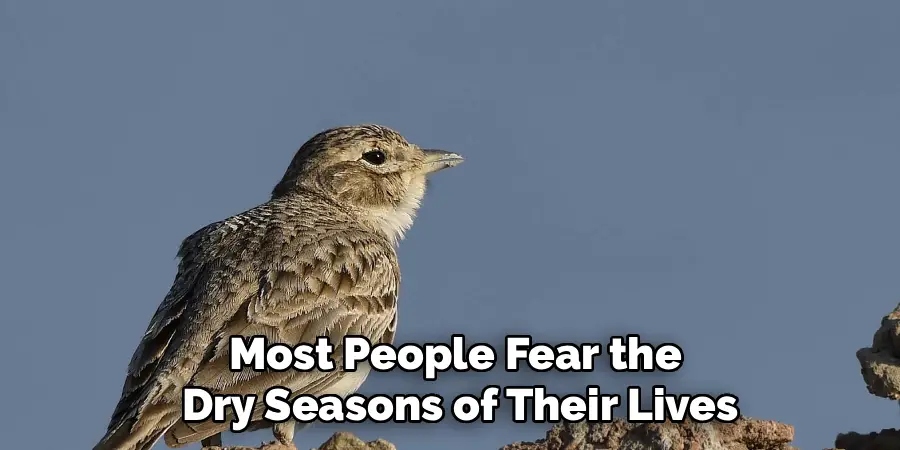
Constant emotional flooding exhausts the soul over time. A period of drought forces you to evaluate what truly sustains you. You learn to survive on the morning dew rather than demanding a torrential rainstorm.
Symbolism Of The Desert Lark
Folklore usually assigns meaning to highly visible animal traits. The Desert Lark features plumage that perfectly matches its specific sandy environment. Some birds appear slightly reddish in iron-rich areas, while others take on a pale grey hue.
Spiritual readers might interpret this adaptive coloration as a symbol of invisible strength. When your surroundings become hostile, blending into the background provides excellent protection. Fading away from public attention is not always an act of cowardice.
Camouflage And Invisible Strength
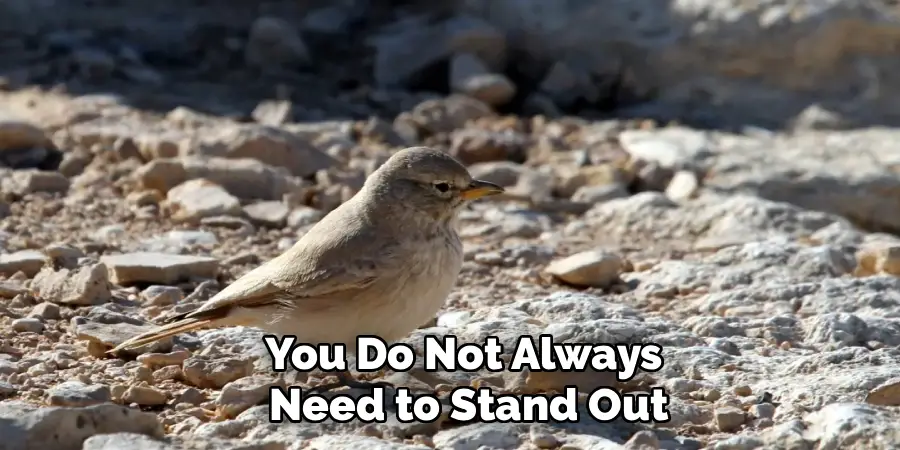
You do not always need to stand out or make a loud statement. Sometimes, becoming indistinguishable from your environment allows you to bypass roaming threats entirely. The lark survives because the hawk simply cannot see it.
This adaptive camouflage may suggest that spiritual power often operates quietly. Walking unnoticed through a chaotic situation is a highly advanced survival skill.
Finding Nourishment In Isolation
During the hottest parts of the day, these birds seek the smallest patches of shade behind rocks. They forage for tiny seeds and insects when the temperature finally drops. This behavioral flexibility might suggest that spiritual nourishment requires careful timing.
Forcing yourself to work during the heat of a crisis only leads to exhaustion. Adapting to the natural rhythms of your environment keeps your spirit alive. You must be willing to consume different types of knowledge when traditional sources dry up.
The Desert Lark Totem
Individuals who resonate with the Desert Lark totem often possess a quiet, resilient energy. They rarely feel the need to surround themselves with massive crowds. This totem might suggest a soul that actually requires wide-open space to breathe properly.
These people usually thrive in environments others find isolating. Highly stimulating cities can make them feel overwhelmed and spiritually scattered.
Embracing Solitude Without Loneliness
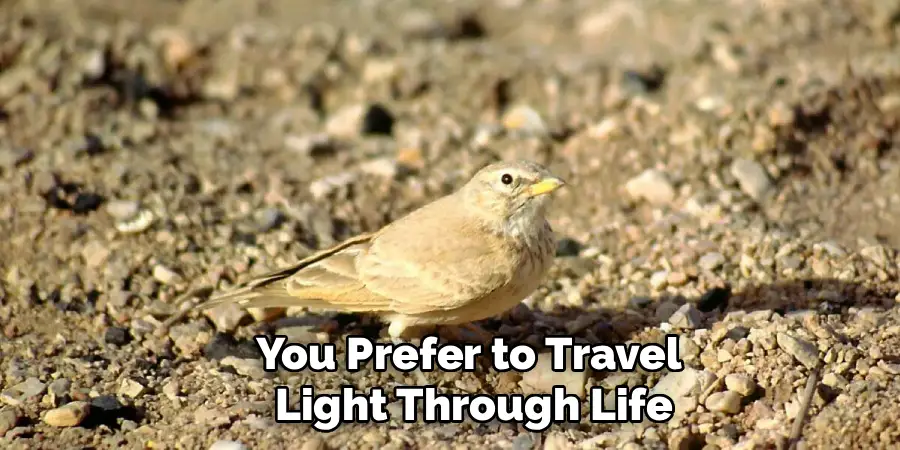
If this bird acts as your totem, you likely evaluate your social attachments with a critical eye. You prefer to travel light through life. Excessive drama holds very little appeal for the desert personality.
This minimalist approach allows for deep internal reflection. When the spiritual climate turns harsh, you are already accustomed to walking alone. Solitude becomes a source of power rather than a punishment.
Conserving Energy And Resources
The lark survives on incredibly small amounts of water. It extracts most of its necessary hydration directly from its food. This biological efficiency appears to indicate that independence requires careful resource management.
The totem teaches the delicate balance between output and intake. Spending your energy wildly in a barren landscape guarantees failure. You must learn to hydrate your soul with small, consistent habits.
Spiritual Endurance And Survival
The desert offers no compromises to its inhabitants. A single mistake in heat management can be fatal. The Desert Lark Spiritual Meaning, Symbolism and Totem centers entirely on this miraculous calculation.
By building a grounded foundation, you can survive your own emotional droughts. The bird demonstrates that harsh climates do not automatically mandate suffering.
Grounding In The Dust
Flight takes a massive amount of physical energy. Therefore, the Desert Lark spends a significant portion of its time running across the ground. This preference for walking could signify the importance of staying tethered to reality.
Dreams and lofty ambitions are wonderful during times of abundance. In a survival situation, however, you must deal with the dirt directly in front of you. Practicality saves lives when inspiration fails.
The Song Of The Wasteland
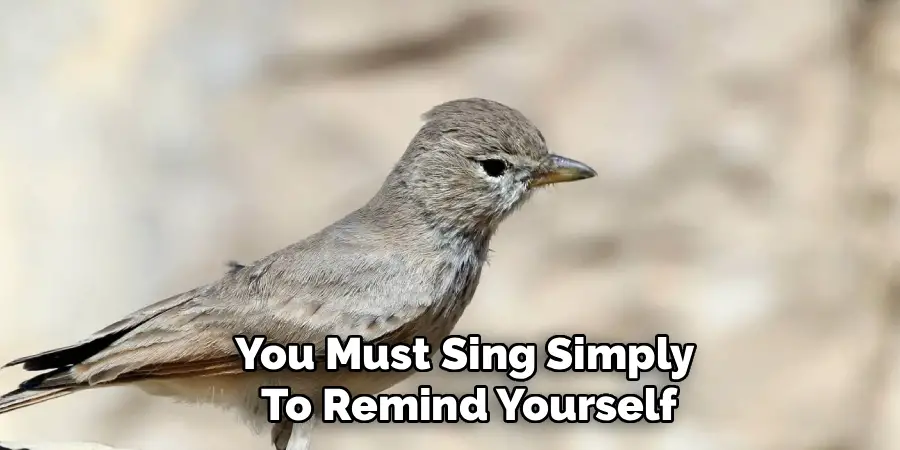
Despite the grim surroundings, male larks still sing to establish territory. They launch themselves into the hot air to deliver a surprisingly sweet melody. This brief aerial display could imply that you should still make your voice heard in a void.
Speaking your truth does not require a receptive audience. Sometimes, you must sing simply to remind yourself that you are still alive. The empty air absorbs the music perfectly.
Encountering The Desert Lark In Dreams Or Reality
Spotting this bird outside of its normal habitat often surprises observers. In a spiritual context, an unexpected encounter might suggest that a long period of isolation is beginning. The bird has arrived to show you how to prepare your internal reserves.
Pay close attention to the specific actions of the bird in your dream. Its behavior usually mirrors your own subconscious survival strategies.
A Call To Internal Reflection
If you dream of a lark hiding behind a stone, look at your current stressors. You might be exposing yourself unnecessarily to a toxic situation. This behavior could indicate that you already possess the instinct to retreat and protect your energy.
You just need to permit yourself to step out of the sun. Hidden shelters exist everywhere if you stop running frantically.
Adapting To Sudden Environmental Shifts
The subtle, rattling call of the lark often echoes across empty canyons. Hearing this sound in a meditation might suggest that an emotional dry spell is approaching. It serves as a gentle prompt to gather your resources quietly.
Do not panic when the silence finally hits. You have already built your foundation to withstand the coming drought.
The Lessons Of The Parched Earth
The Wisdom Of Stillness
We tend to value spiritual experiences that feel overwhelming and lush. Society celebrates the mountaintop revelations while ignoring the valley floor entirely. However, the Desert Lark challenges this bias, proving that the wasteland holds its own quiet magic. Life continues in the absence of rain. Seeds wait patiently beneath the surface, biding their time to crack open when conditions align.
Lessons From The Desert Lark
Your spiritual development often mirrors this invisible period of waiting. Patience becomes the most valuable tool in a barren season. Frustration only drains the energy you need for survival. The lark thrives by accepting the desert exactly as it is, rather than longing for a forest. This acceptance teaches us a profound lesson about resilience, persistence, and surrendering to the present moment.
Thriving Amidst Scarcity
Adapting to a parched landscape requires perspective. Instead of resisting the dryness, we can learn to find beauty in its stillness. The desert is not dead but silently alive, holding potential in every grain of sand. By learning from the Desert Lark, we gain the insight to endure and prosper even in the driest chapters of our lives.
Frequently Asked Questions About Thriving in Dry Landscapes
What Can We Learn From The Desert Lark?
The Desert Lark teaches us the value of adaptation and resilience. By observing how this bird thrives with limited resources, we can learn to find strength in challenging situations and appreciate the hidden potential in adversity.
How Does The Desert Symbolize Inner Strength?
The desert, though seemingly barren, is teeming with life that adapts to scarcity. It serves as a metaphor for inner strength, reminding us that persistence and the ability to adapt are keys to thriving in difficult times.
Why Is Perspective Important When Facing Scarcity?
Perspective allows us to see beyond difficulties and discover beauty and possibility in our circumstances. Recognizing the quiet life and strength of the desert encourages us to shift our mindset and find opportunities in the midst of challenges.
How Can One Apply These Lessons To Daily Life?
By focusing on resilience, adaptability, and finding value in stillness, we can approach life’s hardships with greater courage and clarity. Simple steps include adjusting expectations, seeking hidden opportunities, and maintaining an optimistic outlook.
Conclusion
The arid stretches of our lives offer no easy answers or immediate comforts. Yet, the Desert Lark navigates these exact conditions with a quiet, persistent grace. This unassuming bird demonstrates that an empty landscape does not have to silence your internal song.
By grounding yourself in practicality and embracing protective camouflage, you can survive your own spiritual dry spells. The lark reminds us to conserve our energy, seek shade when necessary, and recognize the value of true solitude. Take a moment today to evaluate your current emotional climate, and ask yourself if you need to adapt your habits to the heat.

About
Jennifer Branett is a distinguished figure in the world of Garden design, with a decade of expertise creating innovative and sustainable indoor solutions. His professional focus lies in merging traditional craftsmanship with modern manufacturing techniques, fostering designs that are both practical and environmentally conscious. As the author of garden, Jennifer delves into the art and science of garden-fix, inspiring artisans and industry professionals alike.
Education RMIT University
(Melbourne, Australia) Associate Degree in Design (Jennifer Branett) Focus on sustainable design, industry-driven projects, and practical craftsmanship. Gained hands-on experience with traditional and digital manufacturing tools, such as CAD and CNC software.
Nottingham Trent University
(United Kingdom) Bachelor’s in Garden and Product Design (Honors) Specialized in product design with a focus on blending creativity with production techniques. Participated in industry projects, working with companies like John Lewis and Vitsoe to gain real-world insights.Publications and Impact
In indoor, Jennifer Branett his insights on Garden design processes, materials, and strategies for efficient production. His writing bridges the gap between artisan knowledge and modern industry needs, making it a must-read for both budding designers and seasoned professionals.