

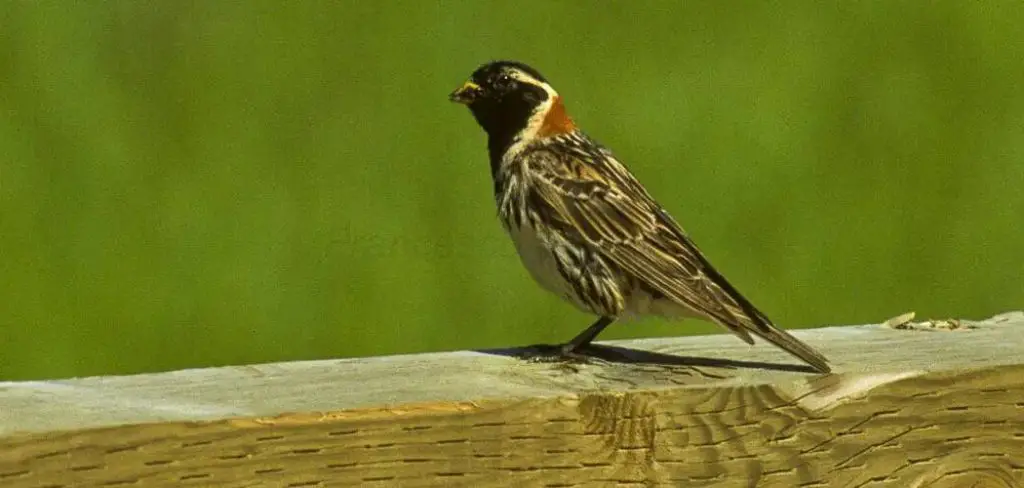
The northern winds carry ancient secrets across the permafrost. Few creatures navigate these freezing currents with more grace than the Lapland Bunting. This small passerine thrives in environments where most animals would quickly perish.
Exploring the Lapland Bunting Spiritual Meaning, Symbolism and Totem reveals profound lessons about endurance. This bird, also known as the Lapland Longspur, builds its life directly on the frozen ground of the arctic tundra. Its existence appears to indicate that warmth and life can flourish even in the most barren landscapes.
We will examine the bird’s unique survival behaviors and its long migratory journeys. By observing how it shifts its diet and sings in flight, we can extract practical insights for our own lives. You might find that this unassuming songbird holds the exact spiritual guidance you need right now.
The Core Lapland Bunting Spiritual Meaning, Symbolism And Totem
Spiritual interpretations of animals often stem from their physical realities. The Lapland Bunting spends its breeding season in the high Arctic, laying eggs in shallow ground depressions. This intimate connection with the earth might suggest a spiritual need for intense grounding.
When life feels chaotic, this bird reminds us to lower our center of gravity. Building a foundation on solid ground protects us from sweeping emotional winds.
Finding Warmth in the Barren Tundra
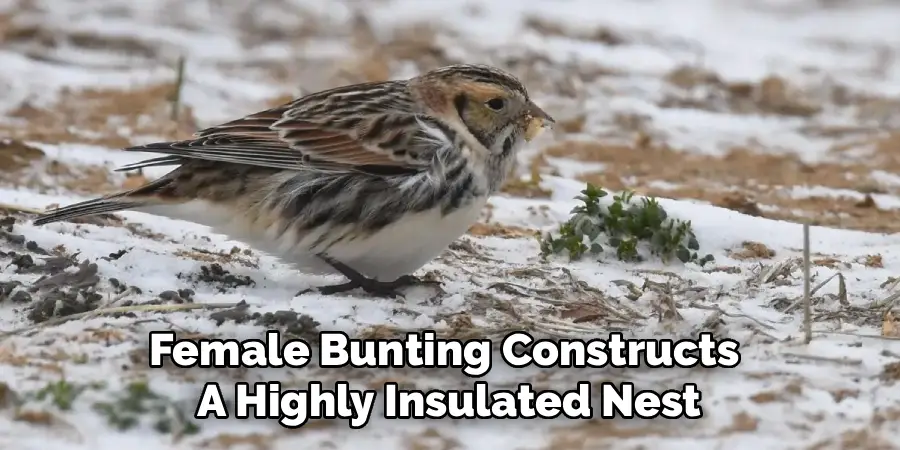
The tundra offers very little natural shelter. Yet, the female bunting constructs a highly insulated nest using dry grasses and molted feathers. This behavior perhaps points toward our own ability to create comfort from sparse resources.
We do not always need ideal conditions to start a new project or family. Using what is immediately available often yields surprising warmth. The bunting teaches us to stop waiting for perfect climates.
The Significance of the Flight Song
Most songbirds sing from the safety of a high branch. The Lapland Bunting lacks trees in its natural habitat, so the male sings while gliding down from a brief flight. This aerial display could signify the importance of making your voice heard, even when you have no platform.
Speaking your truth does not require a pedestal. Sometimes, you must launch yourself into the empty air to deliver your message. The descent itself becomes part of the song’s beauty.
Navigating Harsh Spiritual Climates
Winter eventually forces the bunting southward in massive, swirling flocks. They leave the tundra before the snow completely buries their food supply. This migration appears to indicate a high level of spiritual intuition regarding when to retreat.
Endurance does not mean freezing to death simply to prove a point. Knowing when to pack up and move is a vital survival skill.
Resilience as a Daily Practice
During the summer, these birds switch from eating seeds to hunting arthropods. This dietary flexibility might suggest that spiritual resilience requires constant adaptation. Rigidity in your habits often leads to starvation when the environment shifts.

Adapting to your surroundings keeps your spirit nourished. You must be willing to consume different types of knowledge as you enter new phases of life.
Migration and the Concept of Journey
Lapland Buntings travel thousands of miles across continents. They fly primarily during the night to avoid daytime predators. This nocturnal travel could imply that our deepest spiritual progress happens in the dark, away from public observation.
You do not need an audience to make significant forward movement. Silent, steady progress often yields the most distance covered.
The Bunting as an Animal Totem
Individuals who resonate with the Lapland Bunting totem often possess a restless, nomadic energy. They rarely feel comfortable staying in one geographic location for their entire lives. This totem might suggest a soul that requires constant environmental shifts to feel truly alive.
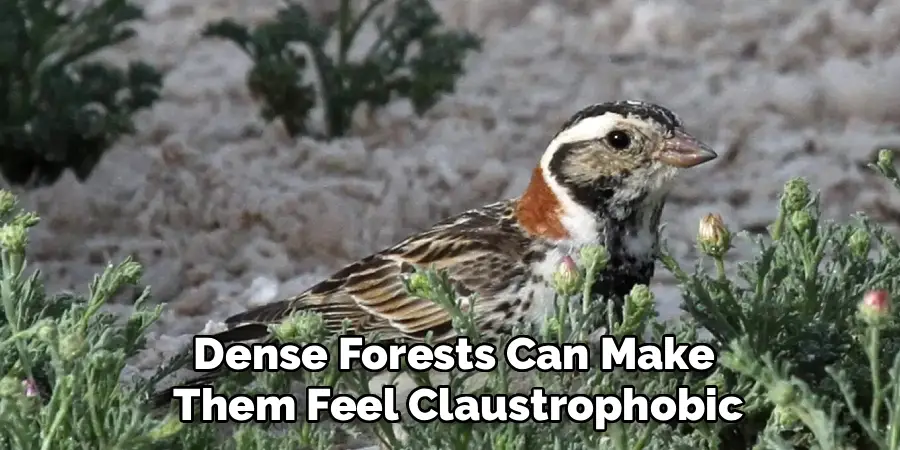
These people usually thrive in wide-open spaces. Crowded cities and dense forests can make them feel claustrophobic and spiritually stifled.
Embracing the Nomadic Spirit
If this bird is your totem, you likely evaluate your attachments frequently. You prefer to travel light, carrying only what is strictly necessary for the next phase of the journey. Material accumulation holds very little appeal for the bunting personality.
This minimalist approach allows for rapid departures. When the spiritual seasons change, you are always ready to catch the next thermal current.
Cultivating Community in Isolation
Despite their remote breeding grounds, these birds migrate and forage in large, tightly knit flocks. This behavior appears to indicate that independence does not require total isolation. You can be a self-sufficient wanderer while still flying alongside like-minded individuals.
The totem teaches the balance between the solitary nest and the communal flight. Finding your flock makes the longest journeys bearable.
Symbolism in Avian Folklore
Bird folklore frequently assigns specific meanings to physical traits. The Lapland Bunting features a distinctive long hind claw, which gives it the alternative name “longspur.” This elongated claw helps the bird walk over uneven, snowy ground without sinking.
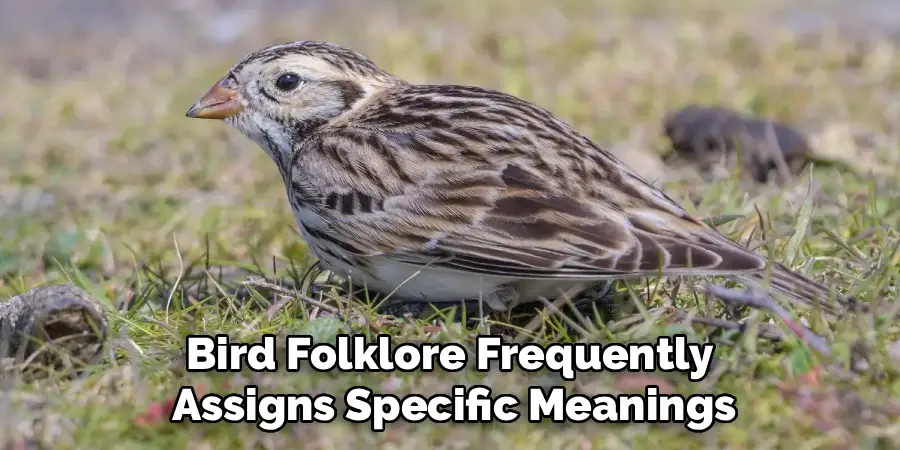
Spiritual readers might interpret this claw as a symbol of added grip. When the terrain becomes slippery, nature provides you with the exact tools needed to maintain your footing.
The Voice of the North Wind
In some northern traditions, arriving flocks signal the official start of winter. They bring the snow down from the Arctic on their wings. This association positions the bird as a messenger of changing seasons.
Hearing their rattling call in a barren winter field serves as a gentle warning. It suggests you should prepare your household for an upcoming freeze.
Feathers, Camouflage, and Grounding
The male bunting boasts a striking black face and reddish nape during the summer. By winter, these bright colors fade into a muted, streaky brown. This seasonal camouflage could imply a need to blend in when the environment turns hostile.
You do not always need to stand out. Fading into the background sometimes provides the best protection against roaming predators.
Encounters and Omens: What It May Suggest
Spotting a Lapland Bunting outside of its normal range often catches birdwatchers by surprise. In spiritual terms, an unexpected encounter might suggest that a long journey is coming to an end. The bird has arrived to rest, and perhaps you should do the same.
Pay close attention to what the bird is doing when you see it. Its immediate actions often mirror your internal psychological state.
Spotting the Bird in Winter Fields
If you see this bird foraging in a barren, harvested field, look at your own resources. The bunting finds hidden seeds that other animals overlook. This behavior could indicate that you already possess the answers you are frantically searching for.
You just need to look closer at the ground beneath your feet. Hidden nourishment exists everywhere if you have the patience to scratch the soil.
Hearing the Call Before the Storm
The distinct, rattling flight call of the bunting often precedes heavy weather. Hearing this sound might suggest that emotional turbulence is approaching your life. It serves as a prompt to gather your resources and seek a low, grounded shelter.
Do not panic when the storm hits. You have already built your nest to withstand the freezing temperatures.
The Resilience of Nature
Adapting to Harsh Seasons
Nature demonstrates remarkable adaptability during harsh seasons. Trees shed their leaves to conserve energy, animals hibernate to endure the cold, and rivers freeze yet continue to flow beneath the ice. These acts of resilience remind us to adjust to life’s challenges in order to thrive.
Lessons from the Wind
The wind, though invisible, shapes landscapes and carries seeds across vast distances. It teaches us the power of unseen forces in our lives, encouraging us to trust in the process of growth even when results are not immediately apparent.
Renewal After the Storm
Once the storm passes, nature springs back to life with renewed vigor. Flowers bloom, skies clear, and the earth feels refreshed. This cycle of renewal mirrors our own capacity to recover, rebuild, and flourish after difficulties have subsided.
Frequently Asked Questions
What Does the Bunting Symbolize in Different Cultures?
The bunting is often associated with resilience and adaptability in many cultures. Its behavior before storms is seen as a metaphor for preparation and persistence through life’s challenges.
How Can I Interpret the Sound of the Bunting in My Life?
Hearing the bunting’s call may symbolize an impending period of emotional or spiritual self-discovery. It is a reminder to remain calm and prepare for any upcoming changes with care and thoughtfulness.
Are There Ways to Connect More Deeply With Nature’s Signs?
Yes, spending time in nature, observing wildlife behaviors, and practicing mindfulness can help you become more attuned to the subtle messages that the natural world offers.
Conclusion
The high Arctic offers no compromises, yet life finds a way to sing there. The Lapland Bunting Spiritual Meaning, Symbolism and Totem centers entirely on this miraculous adaptation. This small bird demonstrates that harsh climates do not have to silence your voice.
By building a grounded foundation and embracing flexibility, you can survive your own spiritual winters. The bunting reminds us to travel light, sing loudly during our descents, and recognize when it is time to move on. Take a moment today to evaluate your current environment, and ask yourself if you need to adapt your habits or simply spread your wings.
