

There is a stretch of black volcanic shore in the Galápagos where almost nothing seems to move. The rock is dark, cooled long ago into strange ripples, and the surf hammers against it with a steady, indifferent rhythm. Then you notice a shape, smoky and grey, standing utterly still among the lava as if it had grown there.
That is the lava gull. I almost walked past mine, mistaking it for another shadow on the stone.
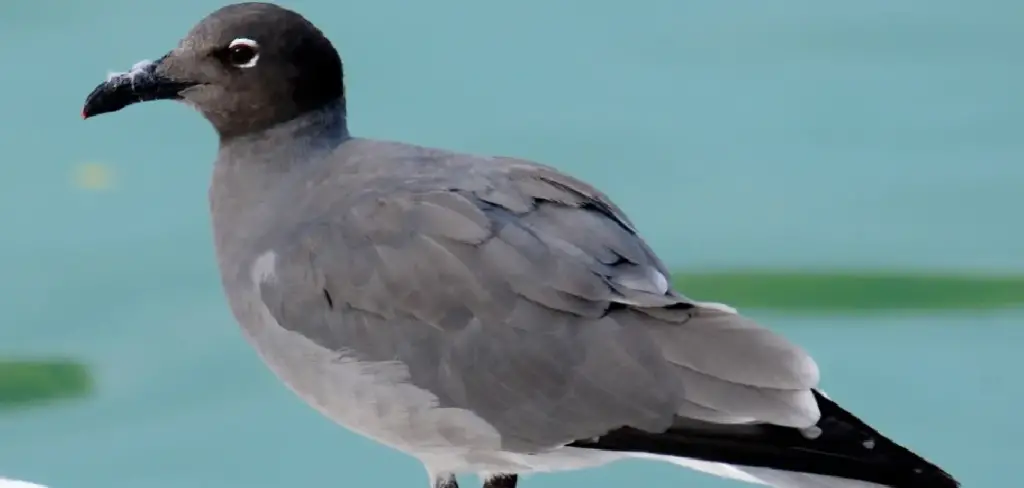
It turned its head, and I saw the dark hood, the pale rim around the eye, and a flash of red inside its mouth when it called. The strangest thing was how alone it stood. No noisy flock, no squabbling. Just one bird against the rock.
If you feel a pull toward something rare and quietly enduring, the lava gull meaning, symbolism and totem may have a word for you. This article moves through the whole picture: what the bird is, what people have read into it, and how you might build a gentle relationship with it as a totem.
Meet the Lava Gull: The Rarest Gull on Earth
The lava gull is unlike the bright white gulls most people picture. Its body is a sooty grey-black, paler beneath, topped with a darker hood, and that startling red lining inside the mouth shows when it opens its bill to call.
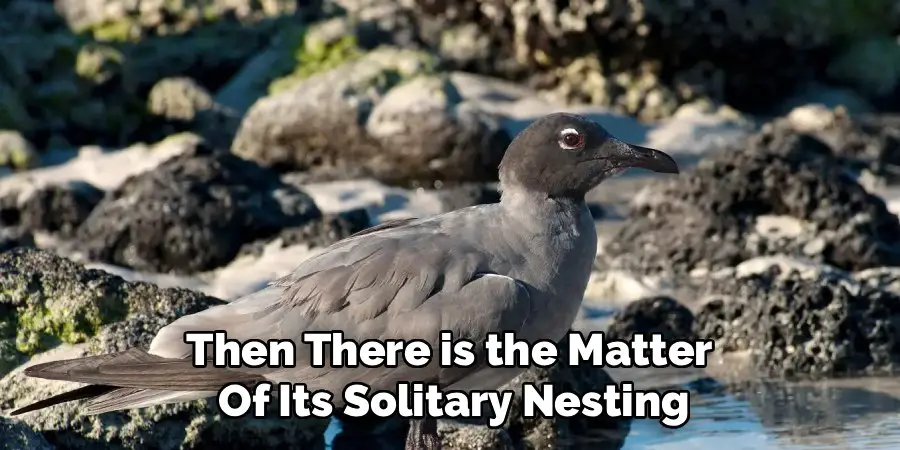
Watch one for a while and the solitude becomes the defining feature. It stands along volcanic coastlines and lagoons with a calm, self-possessed air, its ashen coloring melting almost perfectly into the dark rock around it.
A bird’s rarity and home tend to shape the meaning we hand it, and the lava gull is a clear case. With perhaps a few hundred breeding pairs left, it is widely considered the rarest gull on the planet.
Where the Lava Gull Lives and Survives
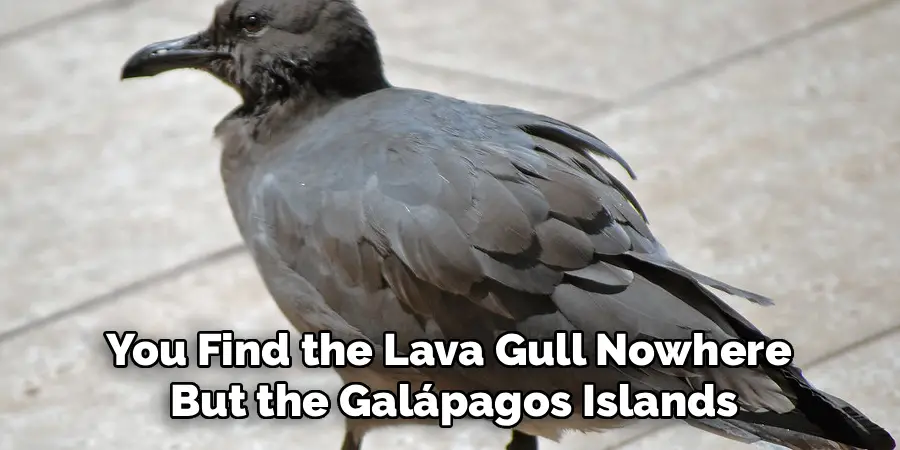
You find the lava gull nowhere but the Galápagos Islands, scattered thinly along stark volcanic beaches and quiet lagoons. It does not gather in colonies. It nests alone, often well apart from any other pair.
That scarcity, paired with its love of harsh, isolated places, ties the bird to ideas of rarity and resilience. Most creatures would struggle on ground born of fire and lava. This one seems to belong there.
You could read its life among those cooled lava fields as a kind of lesson. Thriving through difficult circumstances and finding belonging in unlikely places appears to be its whole way of being.
Natural Traits That Shape Its Symbolism
Slow down and a few qualities stand out. The self-reliance, first, since it raises its young without the safety of a crowd. The solitary nesting, too, a habit that sets it apart from nearly every other gull.
Then there is the clever scavenging and that remarkable camouflage, the way its grey-black body simply disappears against the dark rock. The bird hides in plain sight and seems content to.
These are watchable behaviors, not romantic guesses. That grounding is part of why the symbolism feels honest rather than dreamed up.
The Core Symbolism of the Lava Gull
Strip away the poetry and a few central themes remain. Resilience. Transformation. And the quiet strength of standing apart, of treating solitude as a source of power rather than a loss.
A bird that thrives in volcanic isolation becomes, almost inevitably, an emblem of endurance and calm self-possession.
Resilience and Transformation
The lava gull lives among rock that was once molten, ground shaped by upheaval and fire. That setting reads as resilience, and more than that, as the power to rise from difficult, even destructive, change.
It may suggest that hardship can forge a new kind of strength. Not always, and not painlessly, but the bird seems to argue that stability can take root in the aftermath of something that once felt like ruin.
I think transformation works best understood as a slow process, not a single dramatic moment. The lava cooled over the years. The bird made its home there gradually. Most real change in my own life has worked the same patient way.
Solitude as a Source of Strength
Then there is the matter of its solitary nesting. It points toward the quiet power found in being comfortable alone, in not needing a crowd to feel secure.
It may encourage you to value your own time apart rather than fear it. Self-reliance, the bird suggests, is a strength rather than a kind of loneliness.
Periods of solitude often bring clarity and renewal, a deeper sense of who you are beneath all the noise. If you have been craving a little space lately, this part of the lava gull meaning, symbolism and totem might be the one that lingers.
Lava Gull Meaning: Spiritual Meaning
Move past the surface traits and the bird starts to feel like a guide for trusting your own path. It masters a harsh sky and a colder sea, two realms that ask a great deal of anything living between them.
That command of difficult elements appears to point toward balance, an endurance held steady by quiet adaptability. Take from it what you will, though the fit is hard to ignore.
A Messenger of Inner Strength
Thriving where few creatures could, the lava gull becomes a natural emblem of the inner strength to endure when circumstances feel barren or uncertain. It does not seem to wait for easier ground.
It may encourage you to trust your own capacity to weather hard stretches and come out steadier. Quiet endurance is its own form of courage, even when nobody is watching you manage it.
There are seasons when life feels stark, when the way forward looks like nothing but bare rock. The lava gull offers a small comfort there, a reminder that you likely carry more resilience within than you tend to realize.
Embracing Rarity and Authenticity
That status as the world’s rarest gull reflects something quieter, too: the value of honoring what makes you uncommon. The bird is one of a kind, and it does not seem troubled by it.
That could indicate a gentler relationship with your own differences. Being unusual is not a burden to apologize for. It can be a quiet source of pride.
Easier said than lived, I know. Still, the lava gull makes the case that standing apart, and following your own distinct path draws genuine purpose rather than scaring it away.
Lava Gull Symbolism in Culture and Folklore
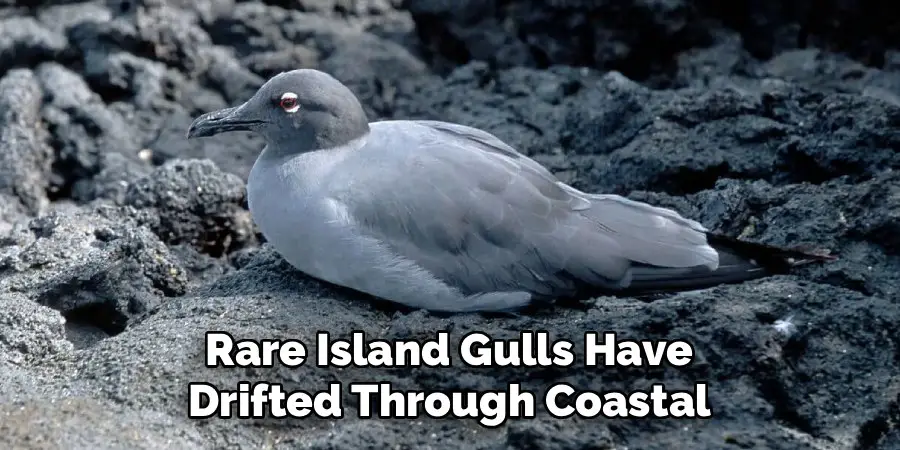
Rare island gulls have drifted through coastal and island stories for a long time, often tied to survival rather than to omens. Communities near volcanic and remote shores tended to watch unusual birds with a mix of respect and curiosity.
This is less grand mythology and more everyday observation that slowly hardened into something lasting.
A Bird Tied to Volcanic Landscapes
The lava gull’s deep connection to the Galápagos and its fiery, ever-shifting terrain links it, fittingly, to ideas of creation, destruction, and renewal. The islands themselves were born of volcanic force, and the bird simply made a home on the result.
People living near volcanic regions often saw creatures thriving on harsh ground as symbols of endurance and rebirth. A bird at ease among lava naturally seems to invite that reading.
It is easy to see how a creature so at home in a landscape shaped by elemental power becomes bound up with stories of survival and quiet transformation. Such places tend to stir those kinds of thoughts.
Shared Themes Across Island Traditions
Look across different island cultures and certain ideas keep returning. Isolation. Resilience. Transformation. A deep tie to wild, untamed seas.
The lava gull fits neatly into these threads. A bird that flourishes alone in a remote, dramatic place seems to invite tales of strength found far from the familiar.
These overlaps are worth noticing. They hint that the bird touched something common in how people made sense of life on the edges of the map.
The Lava Gull as a Totem Animal
To carry the lava gull as a totem is to recognize a piece of yourself in it. People drawn to this bird often share its deep resilience, its comfort with solitude, and its fierce, quiet independence.
A totem works less like a label and more like a lifelong companion, reflecting traits you already hold rather than ones you have to manufacture.
Personality Traits of Lava Gull People
Those guided by this totem tend to be resilient and self-reliant, the sort who steady themselves from within rather than leaning on constant reassurance. They often thrive through hardship that would unsettle others.
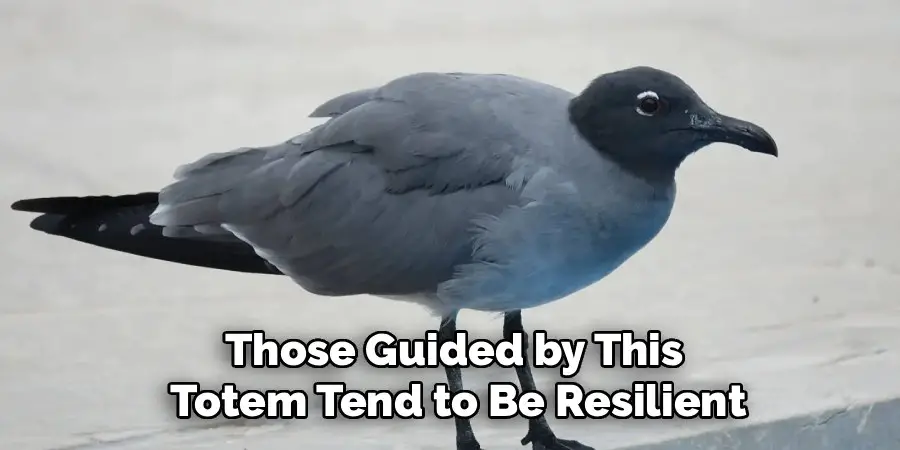
They feel genuinely at ease in their own company, and they draw strength from quiet rather than from a crowd. There is something grounded about them that people come to rely on.
They adapt, rebuild, and stand apart with a calm sort of confidence. If any of that sounds familiar, you might already be a lava gull person without having named it.
When the Lava Gull Appears in Your Life
Sometimes a bird keeps surfacing, in fact or in thought, until it begins to feel like more than chance. A sudden sighting, or a run of lava gull images, may point toward a need for resilience, comfort in solitude, or the courage to embrace a season of transformation.
It might be nudging you to trust your own quiet strength during a stretch that feels barren. Noticing the pattern is the first real step. You do not have to read it perfectly, only pay it some attention.
Connecting With the Lava Gull as Your Totem: Your Step-by-Step Guide
Here is the practical heart of it. Think of me as a friend talking you through this, not a strict teacher. Move at your own pace, and let the connection deepen rather than forcing it.
Step 1: Set a Clear Intention
Begin by naming what you hope to find. Resilience, maybe, or comfort in solitude, or strength during a season of change.
A simple, honest intention carries more than a perfectly worded one. Sincerity matters far more than polish here.
Step 2: Observe the Bird in Nature or Imagery
Since spotting one in person is genuinely rare, study photos and videos of the lava gull along its volcanic shores. Patient observation builds a real familiarity.
Even a quiet moment with a single image can stir something. You begin to feel the bird’s resilient, self-possessed energy rather than just know facts about it.
Step 3: Reflect Through Journaling
Write down feelings, dreams, or situations that seem to call for endurance or comfort with being alone. Journaling has a way of surfacing patterns you would otherwise miss.
Be honest, and stay gentle with yourself as the words come. You may notice where a little more resilience, or a little more self-reliance, would help you move through a difficult stretch.
Step 4: Practice Quiet Meditation
Sit for a few minutes and picture the lava gull standing calm and steady on dark volcanic rock as waves break around it. Let that image settle your attention.
The scene invites resilience and a grounded stillness. A short session often leaves you more centered and steady than you expected going in.
Step 5: Apply the Lessons to Daily Choices
Carry the bird’s traits into real decisions. Act with resilience where you can, embrace solitude when you need it, and trust your own path even when it diverges from the crowd’s.
Notice the small wins. Grounded, self-reliant choices build lasting strength over time, even when each one feels minor on its own.
Step 6: Express Gratitude and Stay Open
Thank the totem in whatever way feels natural, and stay receptive to what follows. The relationship lives through that openness.
Acknowledge any guidance when it shows up. The bond tends to grow a little stronger each time you pause to give thanks.
Lava Gull as a Spirit Animal Versus Power Animal
These two roles get blurred often, though they offer different kinds of support. The distinction is gentle rather than rigid, so try not to overthink it.
The Lava Gull as a Spirit Animal
A spirit animal tends to arrive during a particular stretch of life, carrying a timely message. The lava gull in this role may show up when you need resilience, solitude, or a way through transformation after upheaval.
You do not summon it so much as notice it. Its rare and quiet appearance is the invitation itself.
The Lava Gull as a Power Animal
A power animal works the other direction. You call on its energy on purpose, drawing on the gull’s endurance or self-reliance when a difficult, isolating moment asks for it.
This is an active practice, something you reach toward. Anyone can use it, and nothing mystical is required to begin.
Common Questions and Misunderstandings
A little skepticism is healthy here. Animal symbolism gets brushed aside easily, sometimes for fair reasons, so clear eyes help.
Does Bird Symbolism Really Apply to Me?
Symbolism is a tool for reflection, not a forecast carved in stone. Its real value sits in the self-awareness it stirs, not in any claim about your future.
Keep what resonates and quietly leave the rest. Your own intuition is the better judge of what rings true for you as you explore the lava gull’s resilient spirit.
Mixing Up the Lava Gull With Other Gulls
People confuse the lava gull with common grey-and-white gulls fairly often, at least at a distance. The clearest giveaways are its all-over sooty charcoal coloring, the darker hood, and its extreme rarity within the Galápagos.
Getting the identification right matters more than it might seem. A connection built on the actual bird, rather than a vague seabird, simply feels more honest.
Conclusion
So we circle back to where we began, with a smoky grey bird standing alone on black volcanic rock as the surf pounds nearby. Across all of this, the lava gull meaning, symbolism and totem keep returning to the same quiet ideas: resilience drawn from hard ground, solitude treated as strength, and the slow grace of transformation.
The encouraging part is how reachable it all is. You need no special training to learn from this bird, only a willingness to look and reflect.
There is real power in enduring hardship and honoring what makes you rare, even when life feels stark and the way forward looks like nothing but bare stone. The lava gull seems to manage both, season after season, against a backdrop most creatures would flee.
So picture those black volcanic shores sometime soon, watch the skies, and stay open to what this remarkable bird might be reflecting back at you. The lesson, if there is one, tends to arrive quietly.
