

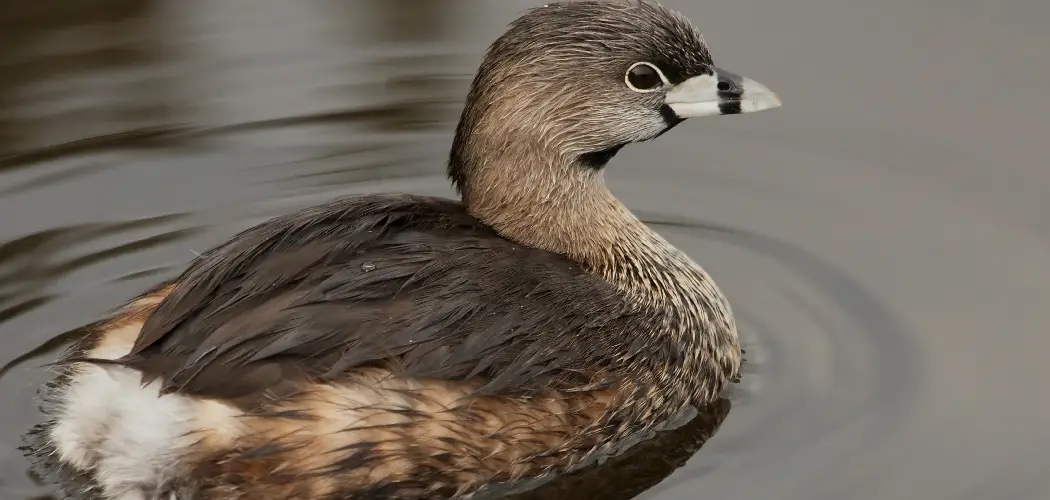
A Pied-billed Grebe drifts across a reedy pond, unremarkable at first glance. Then it’s gone. No splash, no dramatic dive — just a slow sinking, as if the water simply took it back.
Moments later it surfaces yards away, somewhere you weren’t watching. That vanishing act is the first thing most people remember about this bird.
The Pied-billed Grebe meaning, symbolism and totem tend to speak to people who work quietly and get things done without fanfare. Across different traditions, this small, secretive diver has picked up meaning tied to stealth, adaptability, and a knack for solving problems on its own.
This article walks through the traits people connect to the bird. We’ll look at its role as a totem and spirit guide, what it may signal in your dreams, and how you might connect with its energy. Treat it as an invitation rather than a rulebook.
Getting to Know the Pied-Billed Grebe
Before any symbolism, there’s the living bird. A real, feathered creature that spends its days on quiet water and prefers not to be noticed at all.
The Pied-billed Grebe keeps a low profile by nature. It stays close to the reeds, blends into the brown of the marsh, and slips out of sight the moment it senses attention. That instinct for staying hidden is exactly why it means what it does.
Appearance and Natural Habitat
Picture a stocky little bird, rounded and plain, dressed in muted brown. During breeding season, a black ring wraps its short, thick bill — the detail that gives the “pied” in its name.

Nothing about it demands a second look. And that’s rather the point.
This grebe favors ponds, marshes, and slow-moving waters thick with cover. It settles wherever the reeds grow dense enough to disappear into, thriving quietly out of sight while flashier birds take the open water.
That love of hidden, reedy places sits underneath much of its symbolism. Here is a creature built to go unseen.
The Master of the Silent Disappearing Act
Here’s where the Pied-billed Grebe genuinely stands apart. Rather than diving with a splash, it can control its own buoyancy — slowly squeezing air from its feathers and body until it sinks straight down, quiet as a stone settling.
No ripple. No warning. Just gone.
That controlled vanishing reads as more than a survival trick. It suggests stealth, self-protection, and a certain wisdom about knowing when to retreat.
It offers an early clue, too, about why this bird came to represent moving through life with subtlety and patience. Quiet power, really — the kind that doesn’t announce itself.
Core Symbolic Traits of the Pied-Billed Grebe

So what does the bird actually stand for? A few themes surface again and again, and they tend to lean on one another rather than sit apart.
Stealth leads the way. Adaptability runs close behind. And beneath both, there’s a resourcefulness that appeals to anyone who has ever had to make something out of very little.
Stealth and Quiet Power
Those silent dives and that camouflaged brown coat embody stealth in the truest sense. The bird accomplishes plenty without ever drawing a crowd.
That trait may encourage you to trust the power of subtlety. To observe before acting, to hold back and read a situation rather than rushing into it.
You need not be loud to be capable. The Pied-billed Grebe seems to make that argument every time it slips beneath the surface, quietly formidable in a way that’s easy to underestimate.
Adaptability and Emotional Depth
Watch the bird move between the open surface and the depths below, and a pattern shows itself. It shifts between worlds without much drama, adjusting to whatever the water asks of it.
That ease could point toward adaptability and emotional insight at once. It may nudge you to bend gracefully when circumstances change, rather than bracing rigidly against them.
There’s a deeper layer, too. The diving hints at exploring the feelings beneath your own surface, trusting the intuition most of us learn to talk over.
Resourcefulness and Self-Reliance
Survival in modest, crowded habitats takes cleverness. The Pied-billed Grebe hunts small fish, insects, and crustaceans with a patient efficiency, and it hides when hiding serves it better than fighting.
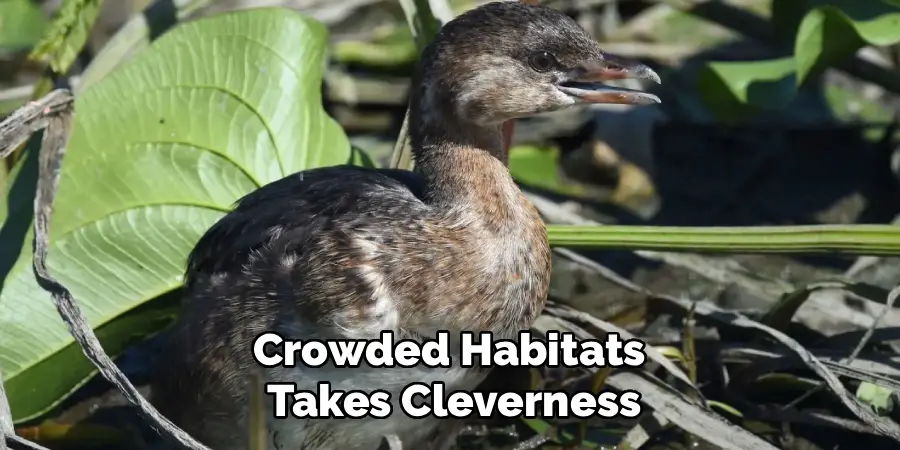
That points toward resourcefulness and a genuine self-reliance. The bird appears to make the most of whatever it has, wherever it happens to be.
It could remind you to solve problems creatively with the tools already in your hands. To trust your own quiet capability, even through a season that feels thin on resources.
Pied-Billed Grebe Meaning and Cultural
Water birds have drawn human attention for a very long time, and the Pied-billed Grebe fits a broad pattern. Across many cultures, creatures that live between water and air pick up meanings tied to emotion, renewal, and reflection.
These threads don’t all say the same thing. But they circle common ground worth noticing.
Symbolism in Indigenous and Folk Traditions
Throughout the Americas and beyond, water birds have appeared in Indigenous and folk stories across generations. Often they’re linked to water itself, to hidden knowledge, and to the line between the seen and the unseen.
The Pied-billed Grebe, with its secretive habits and skillful diving, slots naturally into tales of mystery and resourcefulness. It reads as a creature of quiet respect for the rhythms of nature rather than mastery over them.
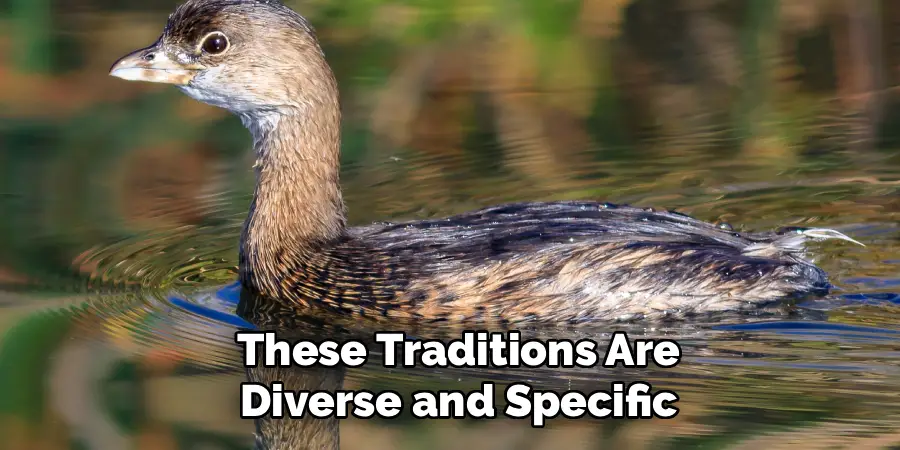
A word of care feels honest here, though. These traditions are diverse and specific, each belonging to particular peoples with their own histories and meanings. Flattening them into one tidy lesson would do them a disservice, so take what follows as general resonance rather than a claim on any single culture’s beliefs.
Spiritual Themes of Water and Reflection
On a spiritual level, the bird’s life on still, sheltered water ties it to stillness and clarity. A calm surface seems to ask you to look in.
That may speak to anyone hungry for a more centered way of moving through the day. The Pied-billed Grebe repeats a soft instruction — pause, look within, find peace in the plain quiet of a still moment.
What makes it interesting is the retreat. This is a bird that knows how to withdraw when life grows noisy, then resurface when it’s ready. The grebe seems to model both quiet retreat and thoughtful reflection, which is more than most of us manage.
The Pied-Billed Grebe as a Totem and Spirit Guide
For some people, this bird becomes something personal. A totem, a spirit guide, a small presence that keeps turning up as though it means to.
Who tends to feel that pull? And what does the grebe offer once it arrives? Both questions deserve a look before we reach the practical side.
Signs the Pied-Billed Grebe Is Your Totem
People drawn to this totem often share a certain makeup. A quiet, observant nature. Emotional sensitivity, paired with resourcefulness and a preference for working behind the scenes rather than under the spotlight.
You might notice the bird appearing more than chance would explain — in nature, in art, in a passing image, in dreams. That repetition may suggest a connection worth exploring.
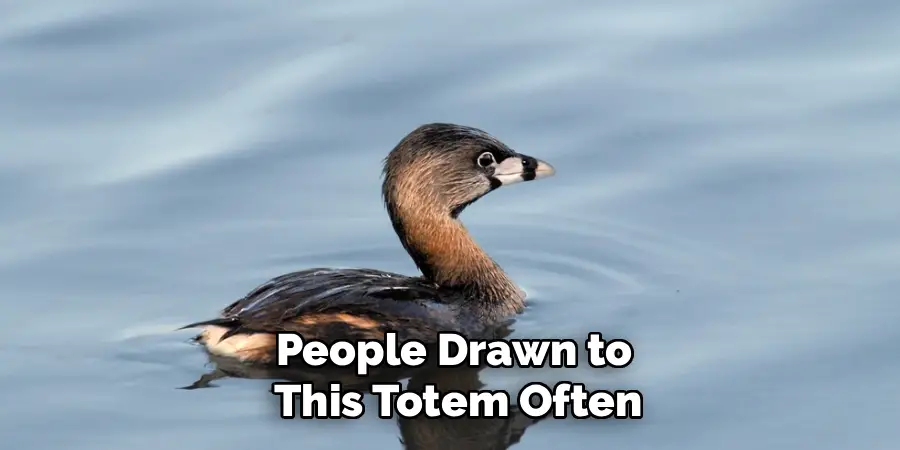
Pay attention to how the bird makes you feel when it shows up. That reaction usually tells you more than any checklist could.
Gifts and Lessons of This Spirit Animal
The lessons here arrive gently. The wisdom of stealth. A graceful sort of adaptability. Emotional honesty, and a confident resourcefulness that trusts your own hands.
Welcoming these could bring more calm and self-reliance into ordinary days. Think of them as invitations rather than orders — taken up whenever you feel ready. The steps ahead offer a place to begin.
How to Connect With the Pied-Billed Grebe Totem: Step-by-Step Guide
This is where understanding turns into practice. The sequence below is meant to be unhurried, something you can work through at your own pace.
Nothing needs to be rushed or forced. Take what helps and set aside the rest.
Step 1: Observe the Bird and Its Symbolism
Start by learning the bird itself. Watch it in person if you’re lucky enough, or through videos and photographs if that’s easier.
Notice how it dives, how it hides, how it reappears somewhere unexpected. Then ask which of those qualities feels closest to what your own life needs right now.
Step 2: Reflect on the Qualities You Need
Sit with the traits that stood out. Maybe quiet confidence. Maybe adaptability, or the resourcefulness to make do with less.
Journaling can help here, or just honest thought on a slow afternoon. The point is to get clear on what guidance you’re actually seeking from this spirit animal in your current season.
Step 3: Create a Quiet Space for Meditation
Find a calm spot where you won’t be interrupted. Near water works beautifully, though an image of the bird nearby serves just as well.
That stillness mirrors the grebe’s reflective side. It opens a door toward a deeper, more deliberate connection with its energy.
Step 4: Invite the Totem Through Intention
Set a gentle intention, or speak a simple affirmation aloud. Invite the Pied-billed Grebe’s energy and its lessons into your life.
Then stay open. Connection with a totem rarely lands all at once — it tends to slip in quietly, the way the bird surfaces where you least expect it, when you’re patient enough to wait.
Step 5: Carry the Lessons Into Daily Life
The real work happens away from any meditation cushion. Weave the grebe’s qualities into small, everyday choices. Move with quiet confidence. Adapt with grace. Trust your own resourcefulness.
Living the lessons is what keeps the connection breathing. That’s how symbolism becomes more than an idea and turns into lasting change.
Pied-Billed Grebe Symbolism in Dreams
Dreams add another layer. When this bird appears while you sleep, it may be pointing toward something your waking mind hasn’t quite named yet.
Dream meaning is deeply personal, though. What follows are common readings, not fixed verdicts, so weigh them against your own circumstances.
Common Dream Scenarios and Their Meanings
A grebe sinking silently from view could suggest a need to protect your energy, or to step back from something draining. If the bird dives deep, that might reflect a call to explore feelings you’ve kept out of sight.
A grebe slipping through the reeds unseen carries its own note. It may hint at trusting your resourcefulness through a tricky situation. None of these are rigid, so let the reading that fits your life rise to the top.
Reflecting on Your Personal Dream Messages
Try writing the dream down soon after waking. Note the emotions especially, not just the images — the feeling tone often holds the real message.
Your personal context shapes all of it. Trust your own intuition as you interpret what the bird seems to be telling you. These pictures work best as prompts for reflection, not predictions carved in stone.
Embracing the Community Spirit of the Pied-Billed Grebe
For all its secretive, solitary streak, the Pied-billed Grebe isn’t a loner in every sense. Its family bonds run surprisingly deep, and that quieter cooperative side pulls the article’s themes together.
Connection matters to this bird. Gentle support and belonging have their place, right alongside all that self-sufficiency.
Lessons in Devotion and Nurturing
The parenting habits are what stand out. Pied-billed Grebes carry their striped chicks on their backs, tucking them into their feathers and ferrying them across the water — a picture of tenderness and steady protection.
That devotion could inspire something in our own relationships. Care built on presence rather than performance, the kind of dependable, nurturing bond that shows up quietly and simply stays.
Finding Strength in Belonging
Here’s the balance worth admiring. The Pied-billed Grebe keeps its private, secretive ways while holding firmly to its mate and young.
You might honor your own need for quiet and space, then, without cutting yourself off from the people who matter. There’s real strength in feeling connected, and no contradiction in needing both solitude and belonging at once.
Frequently Asked Questions About the Pied-Billed Grebe
A few questions come up often. Short answers below, offered plainly.
Quick Answers to Common Concerns
What does the Pied-billed Grebe symbolize? Mostly stealth, adaptability, emotional depth, and resourcefulness — the strengths of a bird that thrives by staying quiet and unseen.
Why is it linked to stealth? Because of that silent, controlled sinking, which over time became a symbol of subtlety and self-protection. Wondering if it’s your spirit animal? Notice whether the bird keeps appearing, and how its presence makes you feel when it does.
Myths About Grebe Symbolism
One common mix-up is assuming a shy, secretive bird must carry only negative meaning. That reading sells it short — retreat can be wisdom, not weakness.
Another myth holds that totem connections arrive with drama and instant certainty. They rarely do. The Pied-billed Grebe’s gifts are quiet ones, and appreciating them asks for an open heart more than a dramatic sign.
Conclusion
We’ve covered a fair amount here for such a private little bird. The Pied-billed Grebe meaning, symbolism and totem keep returning to a handful of steady ideas.
Trust the strength of subtlety. Adapt with grace. Explore your emotions, and hold onto the bonds that keep you steady.
This quietly powerful water bird doesn’t demand your attention. It simply shows what’s possible when you move with patience and quiet capability, and connecting with it as a totem or spirit guide may bring a little more calm and meaning into an ordinary day.
Carry these thoughts with you. Stay open to the small messages the bird might send through nature, reflection, or a dream you nearly forgot. And whenever you feel ready, let the quiet strength of the Pied-billed Grebe find its place in your own life.

About
Jennifer Branett is a distinguished figure in the world of Garden design, with a decade of expertise creating innovative and sustainable indoor solutions. His professional focus lies in merging traditional craftsmanship with modern manufacturing techniques, fostering designs that are both practical and environmentally conscious. As the author of garden, Jennifer delves into the art and science of garden-fix, inspiring artisans and industry professionals alike.
Education RMIT University
(Melbourne, Australia) Associate Degree in Design (Jennifer Branett) Focus on sustainable design, industry-driven projects, and practical craftsmanship. Gained hands-on experience with traditional and digital manufacturing tools, such as CAD and CNC software.
Nottingham Trent University
(United Kingdom) Bachelor’s in Garden and Product Design (Honors) Specialized in product design with a focus on blending creativity with production techniques. Participated in industry projects, working with companies like John Lewis and Vitsoe to gain real-world insights.Publications and Impact
In indoor, Jennifer Branett his insights on Garden design processes, materials, and strategies for efficient production. His writing bridges the gap between artisan knowledge and modern industry needs, making it a must-read for both budding designers and seasoned professionals.