

In the diverse tapestry of the animal kingdom, few creatures capture the human heart quite as instantly as the quokka. Often hailed as “the world’s happiest animal,” this small marsupial is native to a small corner of Western Australia, primarily Rottnest Island. With its teddy-bear ears, round face, and what appears to be a perpetual, beaming smile, the quokka has become an internet sensation and a symbol of pure, unadulterated joy.
But beyond its photogenic appearance lies a creature of remarkable resilience and curiosity. Unlike many wild animals that flee at the sight of humans, the quokka is famous for its friendly, inquisitive nature, often approaching visitors with a fearless charm that disarms even the most cynical observer.
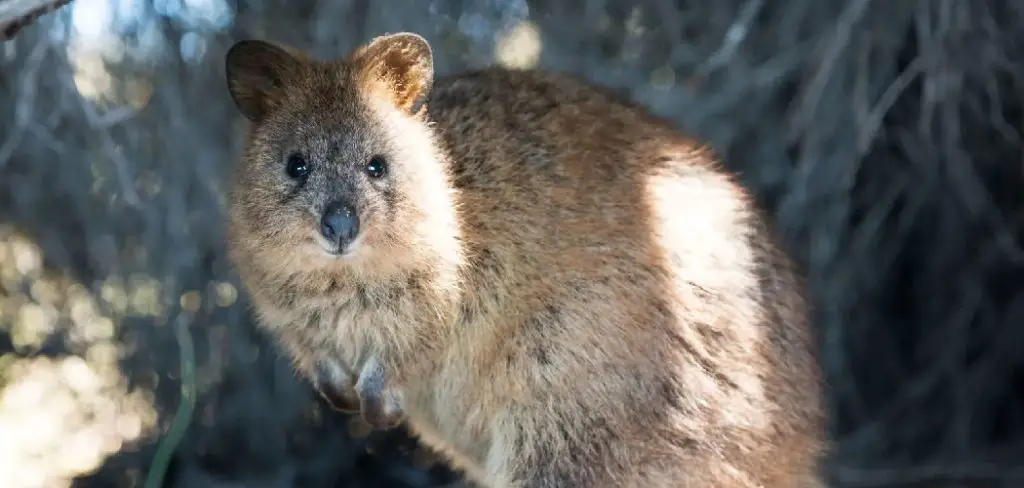
However, the significance of this unique animal extends far deeper than viral selfies. For those who walk a spiritual path, animals are seen as messengers, carrying wisdom and lessons that can guide us through our own lives. This guide will explore the deeper Quokka spiritual meaning, symbolism, and totem, moving beyond its cute appearance to uncover the profound messages it offers. By understanding the spiritual essence of the quokka, we can learn to cultivate happiness, embrace our community, and navigate the world with a trusting, open heart.
Understanding the Quokka’s Unique Nature
A Life of Optimism and Resilience
At first glance, the life of a quokka might seem easy, given their cheerful demeanor. However, their reality is one of survival in a harsh and limited environment. Rottnest Island and the small pockets of mainland Australia where they reside are often subject to intense heat, limited fresh water, and scrubby, tough vegetation. Despite these challenging conditions, the quokka does not merely survive; it thrives. It has adapted to its environment with remarkable tenacity, able to go for long periods without water by extracting moisture from succulent plants.
Spiritually, this speaks to a profound resilience masked by a gentle exterior. The quokka teaches us that optimism is not about ignoring reality or living in a fantasy; it is about maintaining a positive outlook even when resources are scarce or conditions are tough. It embodies the choice to find sustenance and joy in what is available, rather than despairing over what is missing. The quokka reminds us that our internal state does not have to be dictated by our external circumstances. We can choose to smile and persist, finding the “succulent plants” in the dry seasons of our own lives.
The Importance of Community
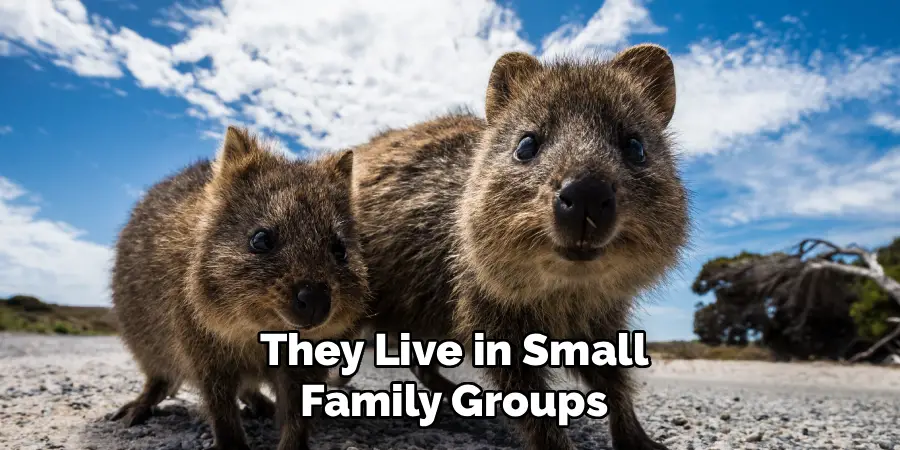
Quokkas are inherently social animals. They live in small family groups and colonies, often sharing territory and resources. While males can be territorial, the general social structure is one of coexistence. This behavior points to the spiritual importance of community, friendship, and supporting one another. In a world that often prizes individualism and self-reliance above all else, the quokka reminds us of the strength found in togetherness.
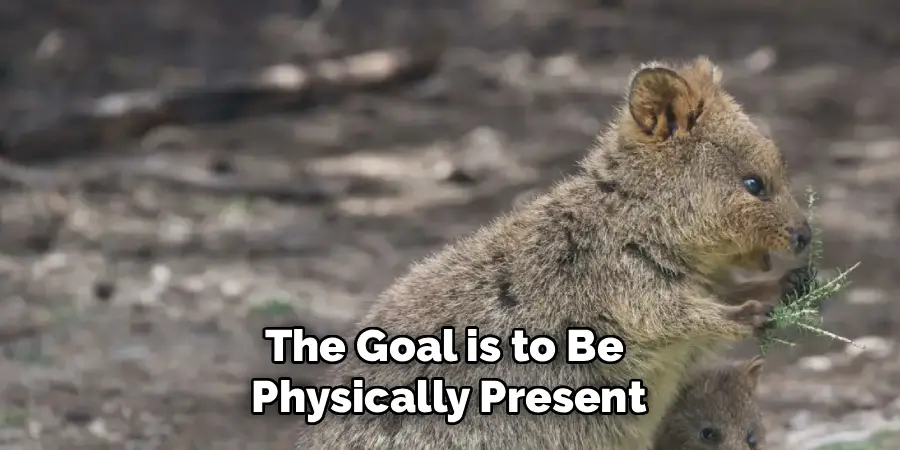
The spiritual lesson here is that we are not meant to navigate life’s challenges in isolation. Just as quokkas gather under the shade of the tea trees, we are encouraged to find our “colony”—our tribe of like-minded souls who provide safety, comfort, and companionship. The quokka spirit urges us to nurture our relationships, to be a friendly presence in our own communities, and to understand that our survival and happiness are intrinsically linked to the well-being of those around us.
Quokka as a Symbol of Joy and Positivity
The Symbolism of the Smile
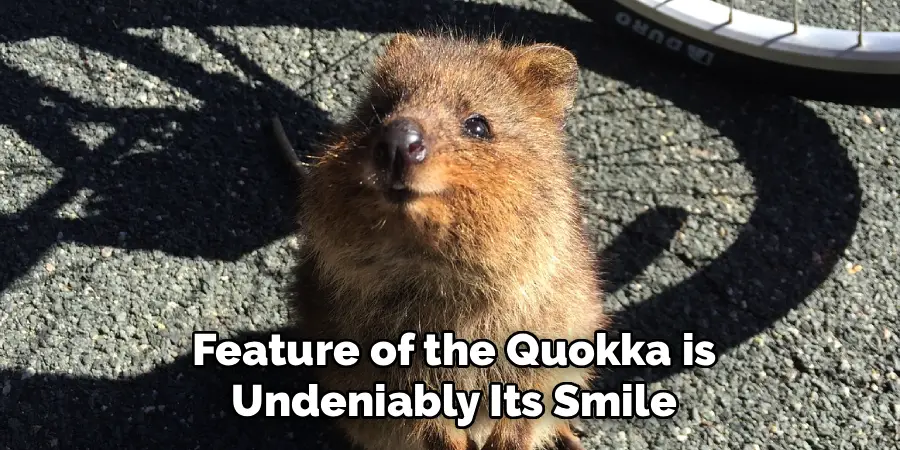
The most defining feature of the quokka is, undeniably, its smile. While biologists might attribute this expression to the structure of their jaw and facial muscles, in the realm of symbolism, it holds a much more potent meaning. A smile is a universal sign of peace, welcome, and happiness. The quokka wears this expression permanently, symbolizing a state of being that is perpetually open to joy. It is a living reminder to find reasons to smile in the present moment, rather than waiting for some future achievement to permit us to be happy.
This constant smile serves as a spiritual prompt to check our own energy. Are we approaching the world with a frown, anticipating trouble? Or are we, like the quokka, meeting the world with a smile, ready for connection? The symbolism suggests that joy is a practice, a habit of the heart that can be cultivated until it becomes our natural state. It teaches us that radiance comes from within and that a simple shift in our facial expression can actually trigger a shift in our internal emotional landscape.
Attracting Good Fortune
There is a long-held spiritual belief that “like attracts like.” A joyful heart and an optimistic mindset act as magnets for positive experiences. The quokka’s cheerful disposition seems to work in its favor; its friendliness has endeared it to humans, leading to rigorous conservation efforts to protect it. In this way, its positivity has become a survival strategy.
This translates to the spiritual principle that radiating happiness can attract abundance and good fortune into one’s life. When we embody the energy of the quokka—approachable, bright, and thankful—we naturally draw in opportunities and people who resonate with that frequency. The quokka teaches us that we do not need to fight and claw our way to success; sometimes, a gentle, happy spirit is the most powerful tool for opening doors and ensuring our needs are met.
Exploring the Core Quokka Spiritual Meaning, Symbolism, and Totem
Spiritual Meaning: Trust and Fearlessness
One of the most striking behaviors of the quokka is its lack of fear towards humans. Having evolved on an island with few natural predators, it approaches the unknown with curiosity rather than terror. The core spiritual meaning here is one of trust and innocence. It challenges the modern, often cynical worldview that dictates we should be suspicious of everyone and everything.
The quokka spirit encourages us to drop our heavy armor and approach the world with an open heart. It asks us to release the fear that keeps us isolated and to trust in the essential goodness of life. This fearlessness is not about being reckless; it is about the strength it takes to remain vulnerable and open. It signifies a return to a state of innocence where we view strangers as potential friends rather than potential threats, fostering deep connections that fear would otherwise block.
Symbolism: Adaptability and Resourcefulness
Physically, the quokka is a marvel of adaptation. One of its unique traits is the ability to store fat in its tail, which serves as an energy reserve during times when food is scarce. This physical characteristic holds deep symbolism regarding preparation and resourcefulness. It speaks to the wisdom of having reserves—not just financial or physical, but emotional and spiritual.
The quokka symbolizes the importance of building up our inner resources so that we have something to draw upon during lean times. It teaches us to be adaptable, to change our diet or habits when the environment shifts, and to trust that we have enough stored within us to survive the winter. It is a symbol of self-sufficiency that does not rely on excess, but on smart, efficient management of one’s energy and assets.
Totem: The Guide to Social Harmony
For those who have the quokka as a totem, the primary lesson is often about social harmony. As a totem animal, the quokka guides individuals toward building stronger, more harmonious relationships. It teaches the art of being approachable. People with this totem are often the “glue” in their social circles, the ones who bring levity to tense situations and make everyone feel welcome.
The quokka totem is a master of diplomacy through kindness. It shows us that we can disarm conflict with a smile and that being a positive force in a community is a sacred role. It encourages those it guides to step out of the shadows, engage with their neighbors, and use their natural charisma to create a warm, inclusive environment wherever they go.
When the Quokka Appears as Your Spirit Animal
A Call to Lighten Up
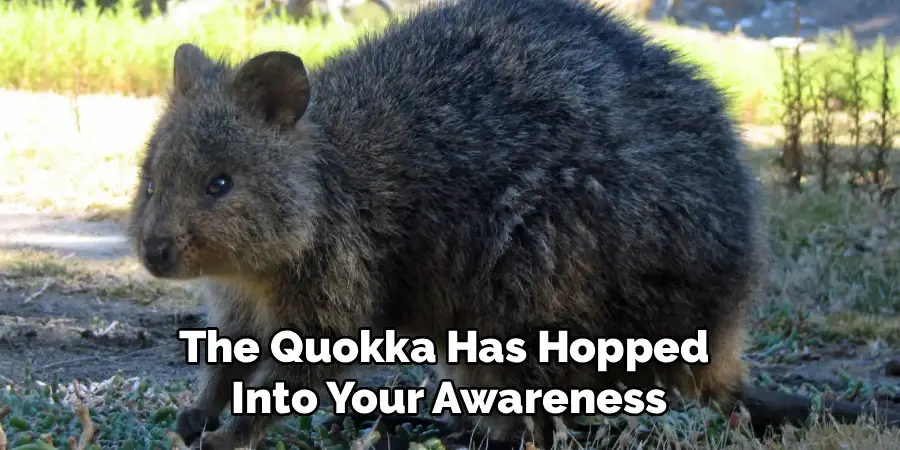
If the quokka has hopped into your awareness—whether through sightings, images, or a sudden fascination—it is often a direct message from the universe to lighten up. You may be taking life too seriously, carrying the weight of the world on your shoulders, or allowing stress to erode your happiness. The quokka appears as a playful interruption to this heaviness.
It signals a need to release worry and reconnect with a sense of play. The spirit of the quokka asks you to look at your current problems and find the humor or the silver lining. It is a reminder that life is meant to be enjoyed, not just endured. It encourages you to engage in activities that have no “productive” purpose other than to make you smile, reminding you that joy is a valid and necessary part of a spiritual life.
A Message to Be More Sociable
Alternatively, the appearance of the quokka may be a nudge to examine your social life. Have you become a hermit? Have you withdrawn from your friends or family due to work or sadness? The quokka is a social creature that thrives in isolation. Its presence suggests that the medicine you need right now is connection.
It encourages you to reach out, even if it feels vulnerable. Invite a friend for coffee, join a local club, or simply strike up a conversation with someone new. The quokka spirit animal assures you that you will be received with kindness if you approach others with an open heart. It is a call to reintegrate yourself into the fabric of your community and to remember that we are social beings who thrive on interaction.
How to Connect with the Quokka Spirit Animal
Step 1: Practice Conscious Gratitude
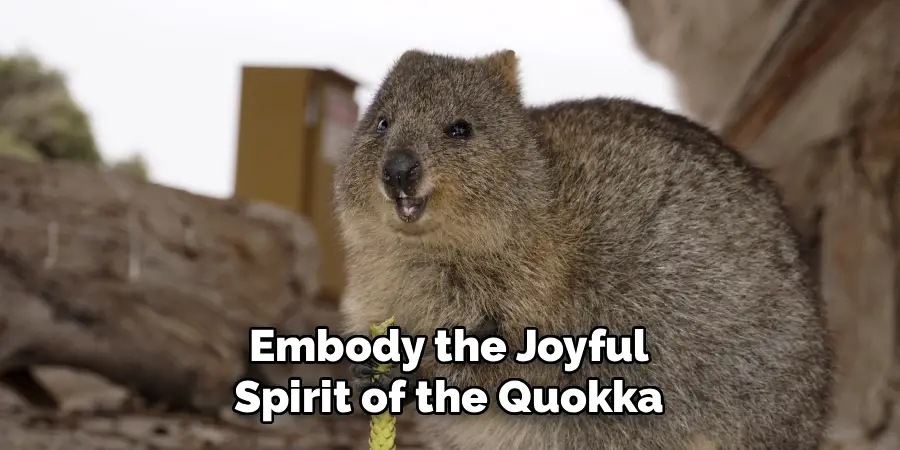
To truly embody the joyful spirit of the quokka, you must train your mind to focus on the positive. Start a daily practice of conscious gratitude. Every morning before you get out of bed, or every evening before you sleep, list three specific things that made you smile that day. They don’t have to be grand achievements; the warmth of the sun, a good cup of coffee, or a text from a friend are all worthy. This practice rewires your brain to scan the environment for good, much like the quokka scans the scrub for treats. Over time, this shifts your baseline emotional state toward optimism.
Step 2: Cultivate an Open and Trusting Heart
This step requires deep inner work. The quokka’s power lies in its lack of suspicion. Examine the walls you have built around your heart. Are you cynical? Do you assume the worst in people? Make a conscious effort to lower these defenses. Try a practice of assuming positive intent. When someone cuts you off in traffic or makes a mistake, instead of reacting with anger, choose to believe it wasn’t personal. Practice approaching new situations with curiosity (“I wonder what wonderful thing will happen?”) instead of dread (“I hope nothing goes wrong”). This openness aligns your energy with the fearless trust of the quokka.
Step 3: Engage in Social Activities
Heed the quokka’s community-oriented nature by taking action in your social life. If you are naturally introverted, this might mean pushing your comfort zone slightly. Commit to one social outing a week. It could be volunteering, attending a class, or hosting a simple dinner. The goal is to be physically present with others and to practice the art of being “happy to be here.” Focus on bringing a light, friendly energy to these interactions. Smile more. Ask people about themselves. Be the person who brightens the room, and observe how the energy of the room shifts in response to you.
Step 4: Meditate on the Image of the Quokka
Visualization is a powerful tool for connecting with animal totems. Find a quiet space, close your eyes, and take several deep breaths to center yourself. Bring the image of a smiling quokka to your mind’s eye. See its bright eyes and its friendly expression. Imagine yourself sitting quietly in nature as the quokka approaches you without fear. Feel the sensation of its trust and curiosity. Allow the feelings of pure happiness, peace, and friendliness to wash over you, filling your chest and radiating outwards. Sit in this energy for ten minutes, absorbing the frequency of unburdened joy.
Step 5: Embrace Resilience Through Positivity
Finally, use the quokka’s spirit as a tool for resilience when things go wrong. When you face a setback, channel the quokka. Do not deny the difficulty, but ask yourself, “How can I adapt to this? Where is the opportunity?” Refuse to let the harsh environment (your problem) steal your smile. Remind yourself of the quokka on Rottnest Island, finding water in dry leaves. Trust that you have the inner resources to survive and thrive. Use positivity not as a mask, but as a survival strategy that keeps your mind clear and your spirit unbroken.
Quokka Symbolism in Dreams
Dreaming of a Happy Quokka
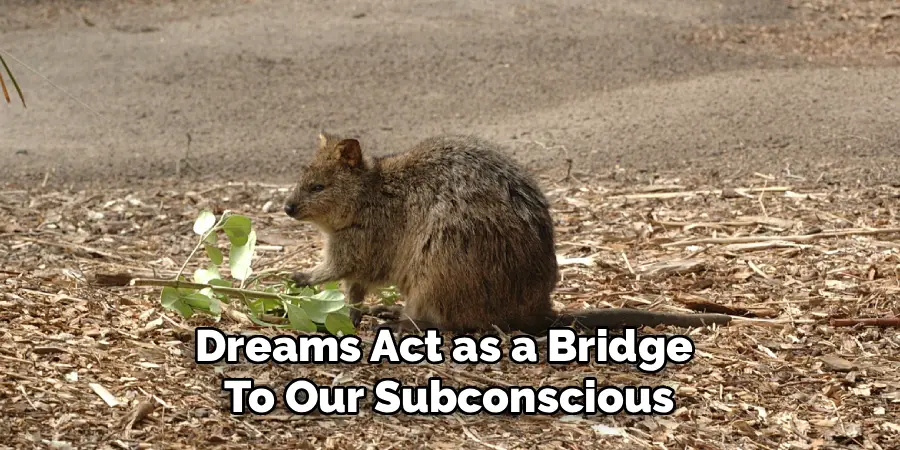
Dreams act as a bridge to our subconscious, and encountering a quokka in the dreamscape is a significant event. If you dream of a smiling, happy quokka, interpret this as a very positive omen. It suggests that a period of happiness and contentment is entering your life. It may indicate that new friendships are on the horizon or that a current relationship will deepen and bring you joy. It is an affirmation from your subconscious that you are on the right path and that your positive outlook is manifesting good results.
Dreaming of a Scared or Fleeing Quokka
Conversely, if you dream of a quokka that is frightened, running away, or hiding, pay close attention. This is likely a warning from your psyche. It suggests that you are letting fear, anxiety, or cynicism rob you of your natural joy. It might indicate that you have lost your sense of innocence or trust. Ask yourself: What am I afraid of? Have I become too guarded? This dream is a call to address the anxieties that are causing you to retreat from social connections and to do the work necessary to reclaim your happiness.
Lessons to Learn from the Quokka Totem
The Power of a Smile
One of the most practical lessons the quokka totem teaches is the sheer power of a smile. We often underestimate how our physical demeanor affects our reality. The quokka shows us that a smile is a tool of diplomacy and connection. It can disarm negativity, de-escalate conflict, and build instant rapport with strangers. By wearing a smile more often, we change the chemical signals in our own brains and change the way the world treats us.
Living in the Present Moment
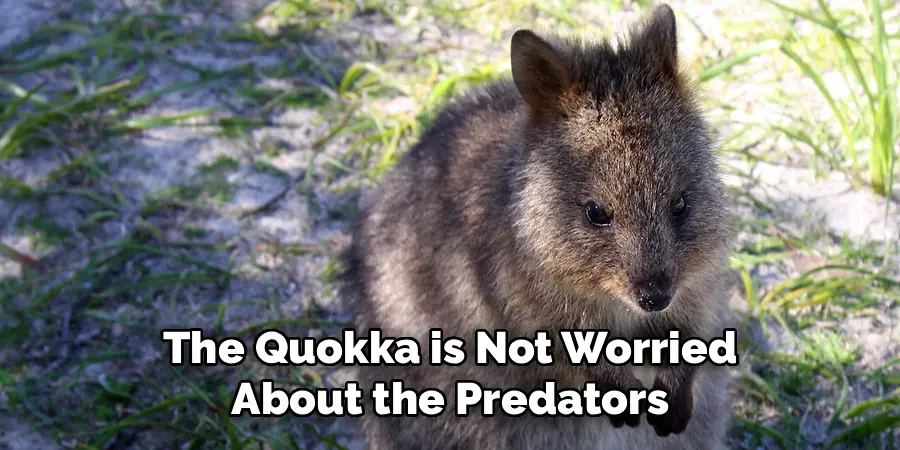
The quokka is not worried about the predators that don’t exist on its island, nor is it fretting about the rainfall next year. It is entirely focused on the leaf in front of it and the warmth of the sun on its fur. This is the lesson of mindfulness. The quokka teaches us to be fully present and to enjoy the “now.” It reminds us that happiness is not a future destination, but a way of traveling. By grounding ourselves in the present moment, we can find contentment in our current surroundings, no matter how humble they may be.
Conclusion
The quokka is far more than just a cute face on a social media feed; it is a profound spiritual teacher wrapped in a small, furry package. Its presence reminds us that joy is a choice, resilience is a mindset, and an open heart is the strongest armor we can wear. The Quokka spiritual meaning, symbolism, and totem provide a powerful and uplifting blueprint for living a happier, more connected life. By embracing the lessons of this remarkable marsupial—trust, community, and unwavering optimism—we can transform our own experience of the world. Carry the spirit of the world’s happiest animal with you, find reasons to smile even in the scrubby patches of life, and share that infectious joy with everyone you meet.

About
Jennifer Branett is a distinguished figure in the world of Garden design, with a decade of expertise creating innovative and sustainable indoor solutions. His professional focus lies in merging traditional craftsmanship with modern manufacturing techniques, fostering designs that are both practical and environmentally conscious. As the author of garden, Jennifer delves into the art and science of garden-fix, inspiring artisans and industry professionals alike.
Education RMIT University
(Melbourne, Australia) Associate Degree in Design (Jennifer Branett) Focus on sustainable design, industry-driven projects, and practical craftsmanship. Gained hands-on experience with traditional and digital manufacturing tools, such as CAD and CNC software.
Nottingham Trent University
(United Kingdom) Bachelor’s in Garden and Product Design (Honors) Specialized in product design with a focus on blending creativity with production techniques. Participated in industry projects, working with companies like John Lewis and Vitsoe to gain real-world insights.Publications and Impact
In indoor, Jennifer Branett his insights on Garden design processes, materials, and strategies for efficient production. His writing bridges the gap between artisan knowledge and modern industry needs, making it a must-read for both budding designers and seasoned professionals.