

Flitting through the canopies of tropical and subtropical forests across the Old World, small, energetic birds known as White-eyes, or scientifically as Zosterops, bring a unique vibrancy to the avian world. These diminutive passerines are instantly recognizable by the conspicuous ring of white feathers encircling their eyes, giving them an expression of perpetual alertness and curiosity. While they may not have the imposing size of a raptor or the flamboyant tail of a peacock, the Zosterops carries a potent spiritual energy centered on community, clarity, and the sweetness of life.
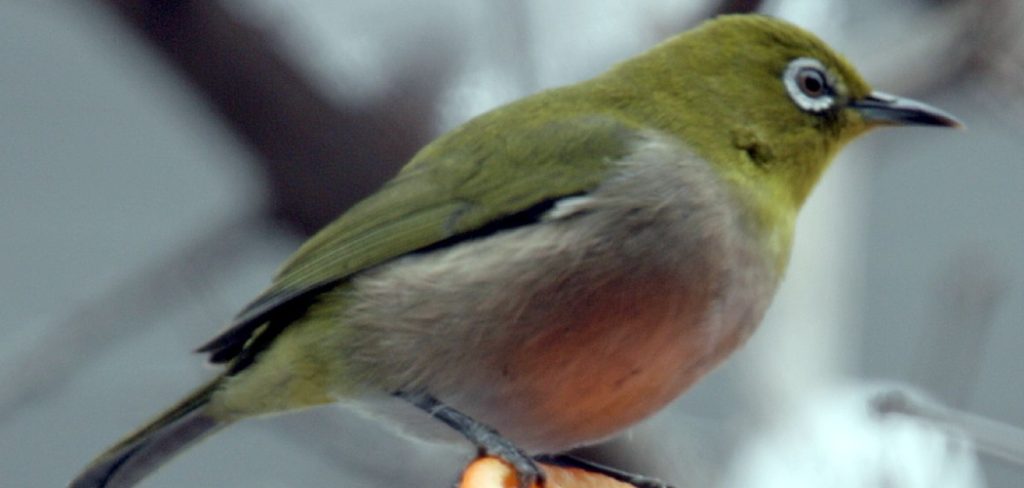
The Zosterops is rarely seen alone; it is a creature of the flock, moving through the trees in a synchronized, chattering wave. This behavior forms the core of its spiritual identity. When the Zosterops enters your awareness, it is often a gentle reminder that you are not meant to navigate the world in isolation. It speaks to the power of social bonds, the strength found in numbers, and the importance of seeing the world with wide-open, unclouded eyes.
In this comprehensive guide, we will explore the Zosterops spiritual meaning, symbolism and totem wisdom. We will delve into the lessons this small bird offers about the necessity of clear perception, the joy of interdependence, and the ability to adapt rapidly to new environments. Whether you have observed them in your garden or encountered them in a dream, the Zosterops has a message of connection and clarity to share with you.
The Symbolism of the White Eye-Ring: Clarity and Perception
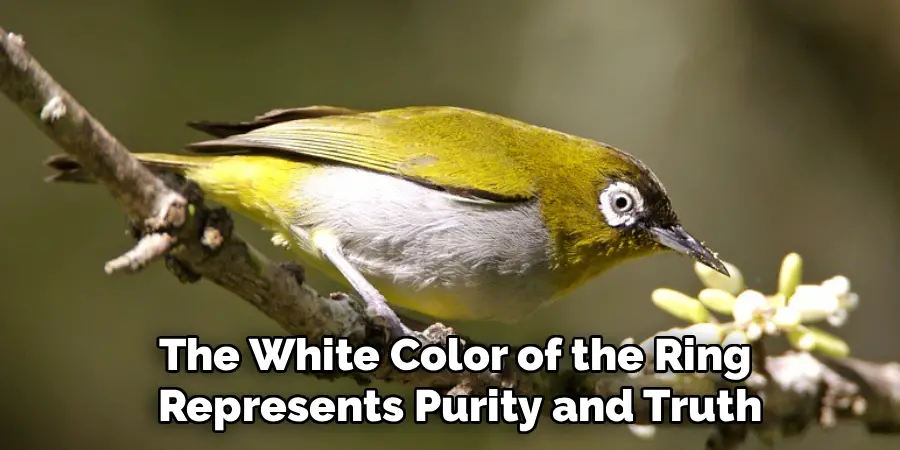
The most distinctive physical feature of the Zosterops is the stark white ring of feathers around its eye, often referred to as “spectacles.” This feature naturally draws attention to the bird’s vision. In spiritual symbolism, the eye is the window to the soul and the primary tool of perception. By highlighting the eye so dramatically, the Zosterops emphasizes the importance of seeing clearly, truthfully, and without obstruction.
The white color of the ring represents purity and truth. Therefore, the Zosterops teaches us to look at the world with “clean eyes.” It challenges us to strip away our biases, our past conditioning, and our judgments, and to see people and situations as they truly are. It is a symbol of transparency and honesty. When this bird is your guide, it asks you to be honest with yourself about your own life and to demand clarity in your dealings with others. It is the antidote to denial and illusion.
The Spectacles of Wisdom
You can think of the Zosterops’ eye-rings as metaphorical spectacles. Just as glasses bring a blurry world into sharp focus, the energy of this bird sharpens our spiritual and intellectual vision. It encourages a heightened attention to detail. The Zosterops does not just glance at a leaf; it inspects it thoroughly for insects or nectar. Spiritually, this teaches us not to skim the surface of our lives. We are encouraged to look closer, to notice the nuances, and to find the hidden truths that others might miss in their haste.
Seeing the Good
The Zosterops is constantly on the lookout for sustenance—nectar, fruit, and insects. Its vision is tuned to find what nourishes it. This offers a powerful lesson in selective perception. It teaches us to train our vision to seek out the “nectar” in our own lives—the positive, the sweet, and the nourishing aspects of our environment. It is not about ignoring the bad, but about consciously choosing to focus your gaze on what brings joy and growth. The Zosterops reminds us that what we look for, we usually find.
Understanding the Zosterops Totem Animal
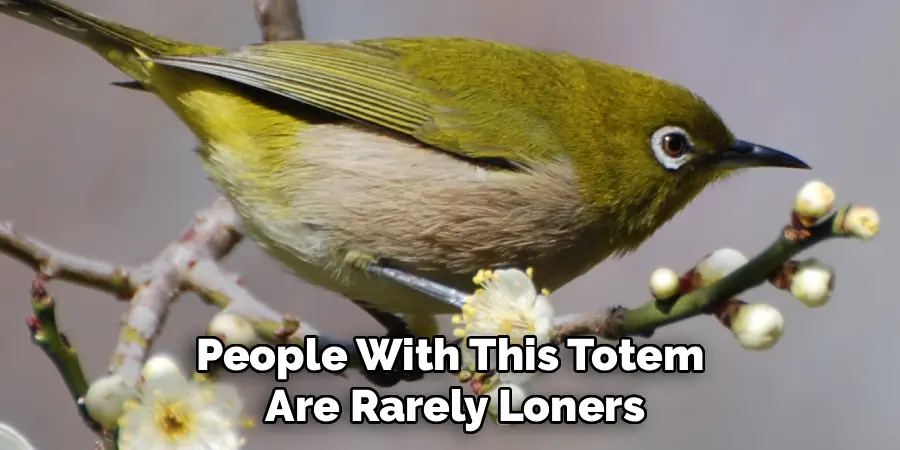
To have the Zosterops as a totem animal is to possess a spirit that is vivacious, highly sociable, and deeply connected to others. People with this totem are rarely loners. They thrive in groups and feel most alive when they are interacting, communicating, and sharing experiences with their “flock.” They are the social butterflies of the spiritual world, bringing energy and lightness to any gathering.
Individuals with a Zosterops totem are also incredibly observant. Nothing escapes their notice. They are the ones in a social group who notice when someone is quiet or upset, or who spot a new opportunity before anyone else does. They are quick-witted, agile in their thinking, and possess a boundless energy that can sometimes be exhausting to slower-paced individuals. If the Zosterops is your guide, you are likely a natural networker who understands that life is better when shared.
The Social Butterfly
The Zosterops totem carrier is a master of social dynamics. They understand instinctively how to navigate complex relationships and how to maintain harmony within a group. They are not interested in dominance or power struggles; they are interested in connection. They teach us that there is immense strength in collaboration. Unlike the solitary tiger or bear, the Zosterops finds its safety and its success in the collective. They remind us that we do not have to carry our burdens alone.
Boundless Energy
Watching a flock of White-eyes is a lesson in perpetual motion. They are constantly flitting, feeding, and moving. As a totem, this translates into a gift of vitality. Zosterops people often look younger than their years and possess a youthful enthusiasm for life. They need to be active, both physically and mentally. Stagnation is toxic to them. This totem encourages a lifestyle that is dynamic, filled with travel, learning, and new experiences. It is a reminder to keep moving, keep exploring, and keep the energy flowing.
Community and Communication: The Strength of the Flock
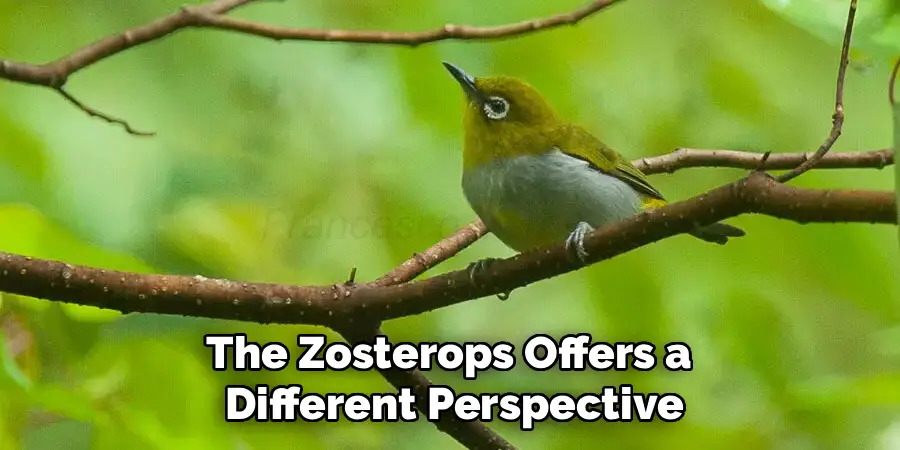
The Zosterops is defined by its flocking behavior. These birds move through the forest canopy in tight-knit groups, constantly calling to one another to maintain contact. This intense social cohesion is the heart of the Zosterops spiritual meaning, symbolism and totem. It represents the absolute necessity of community for survival and well-being.
In a modern culture that often idolizes the “self-made” individual, the Zosterops offers a different perspective: we are safer, happier, and more successful when we stick together. It symbolizes the safety net of friendship and family. When one bird finds a fruit tree, the whole flock feasts. When one spots a predator, the whole flock is warned. This is a spiritual lesson in the abundance and security that come from sharing and cooperation.
The Power of Harmonic Voices
The contact calls of the Zosterops—a constant series of soft “tsee-tsee” sounds—create an auditory web that holds the group together even in dense foliage. This symbolizes the importance of constant, clear communication in our relationships. It teaches us that silence creates distance. To keep our human “flocks” tight, we need to keep the lines of communication open. We need to check in with our loved ones, share our locations (both physical and emotional), and let people know we are there. The Zosterops teaches that small, frequent signals of connection are the glue of relationships.
Mutual Grooming (Allopreening)
One of the most touching behaviors of the Zosterops is allopreening, where birds sit close together and groom each other’s feathers. This is a profound symbol of care, affection, and service. It strengthens social bonds through gentle touch. Spiritually, it reminds us of the healing power of tenderness. It asks us: How are we “grooming” the people in our lives? Are we helping to smooth their ruffled feathers? Are we offering comfort and care? The Zosterops teaches that a strong community is built on these small acts of mutual service and physical affection.
Adaptability and Rapid Evolution: The “Great Speciator”
Biologists often refer to the Zosterops as a “great speciator.” This is because these birds have an uncanny ability to colonize new islands and evolve into new, distinct species at a rate faster than almost any other vertebrate. Spiritually, this biological fact translates into a powerful message about personal transformation and adaptability.
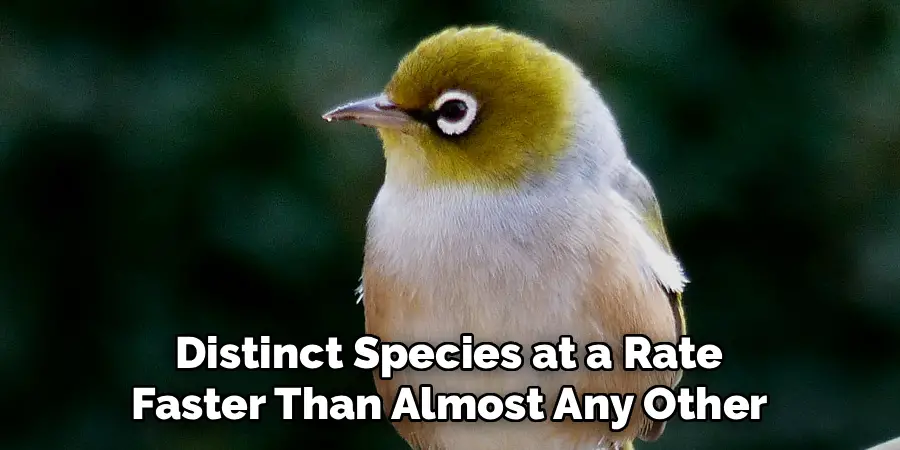
The Zosterops is not rigid. When it lands in a new environment, it changes to fit that environment. It teaches us to be fluid in our identity. We often cling to old versions of ourselves, saying, “That’s just who I am.” The Zosterops challenges this. It says, “You can be whoever you need to be to thrive here.” It represents the courage to reinvent yourself when circumstances change, whether that means adapting to a new job, a new relationship status, or a new spiritual understanding.
Blooming Where You Are Planted
The Zosterops does not waste time lamenting that the new island is different from the old one. It gets to work immediately, finding food and building nests. This is the spiritual lesson of “blooming where you are planted.” It encourages us to make the best of our current situation immediately, rather than waiting for things to be perfect. It teaches resilience through rapid acceptance and action.
Enhancing Social Bonds with Zosterops Energy
Connecting with the gregarious energy of the Zosterops can be a powerful antidote to loneliness and isolation. This guided practice is designed to help you strengthen your connections with your own community using the wisdom of the White-eye.
Step 1: Identify Your Circle
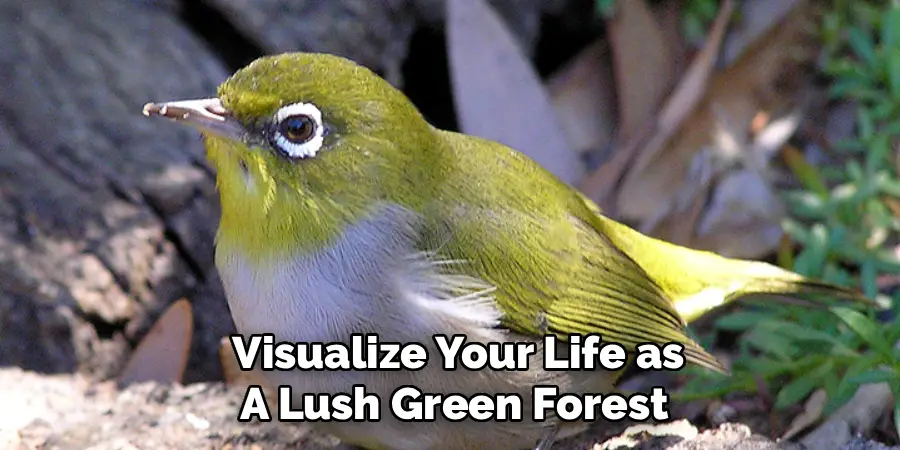
Find a quiet space to sit and close your eyes. Visualize your life as a lush, green forest. Now, identify the birds in your flock. Who are the people who make up your immediate community? Visualize their faces. See them flitting through the branches of your life. Acknowledge that, like the Zosterops, you are part of a larger whole. You are not flying solo.
Step 2: The Call of Connection
In nature, the Zosterops calls constantly to maintain the bond. In your visualization, imagine sending out a signal—a beam of light or a soft sound—from your heart to the hearts of your flock members. Feel the connection. Then, take this into the physical world. Choose three people from your “flock” and reach out to them today. Send a text, make a call, or write a note. The message doesn’t need to be profound; it just needs to say, “I am here, and I see you.”
Step 3: Shared Grooming (Service)
Recall the image of the birds grooming each other. This is love in action. Ask yourself: “How can I be of service to someone in my circle today?” It could be listening to a friend vent, helping a neighbor with groceries, or offering a genuine compliment. Perform one act of “grooming”—one act that smooths the path for someone else. This strengthens the bond of reciprocity.
Step 4: Moving in Unison
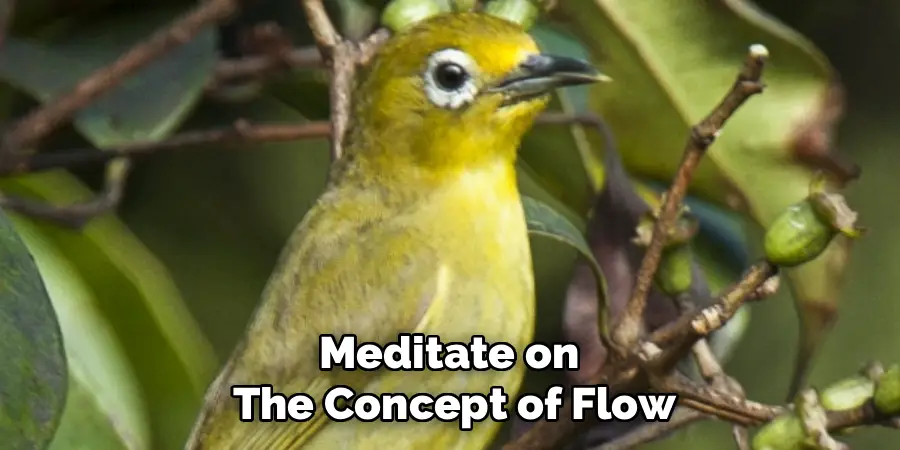
The flock moves as one entity. Meditate on the concept of flow. Are you resisting the movement of your community, or are you moving in sync? Visualize yourself navigating a current challenge not as a solitary warrior, but as part of a team. Feel the support of the birds beside you, behind you, and in front of you. Allow yourself to be carried by the collective energy for a moment. Release the need to do it all yourself.
Step 5: Gratitude for the Flock
Close the practice by placing your hands over your heart. Feel the warmth there. Express deep gratitude for the safety, joy, and shared energy that your community provides. Acknowledge that your survival and happiness are linked to theirs. Thank the Zosterops spirit for reminding you of the blessing of belonging.
Nectar and Sweetness: Seeking Joy
While Zosterops eat insects, they have a special fondness for nectar and soft fruits. They possess a specialized brush-tipped tongue adapted for drinking nectar from flowers. Spiritually, this diet is highly significant. Nectar is the “sweetness of life.”
The Zosterops teaches us to be seekers of joy. Just as the bird bypasses the thorns to get to the flower, we are encouraged to bypass the cynicism and negativity of the world to find the moments of pleasure and sweetness. It is a hedonistic totem in the most spiritual sense—it believes that joy is a valid and necessary nutrient for the soul.
Pollination and Reciprocity
There is a beautiful reciprocity in the Zosterops’ feeding habits. As it drinks the nectar, its forehead often gets dusted with pollen, which it then carries to the next flower, helping the plants reproduce. This teaches the spiritual law of reciprocity. By seeking our own joy and following our bliss (drinking the nectar), we often inadvertently serve the world (pollinating the flowers). When we are happy and nourished, we spread life and energy to everyone we touch. Our joy serves the whole ecosystem.
Zosterops Spiritual Meaning, Symbolism and Totem in Dreams
When the Zosterops appears in your dreams, it is usually a positive symbol regarding your social life and your perspective.
If you dream of a large, chattering flock of White-eyes, it suggests a happy social gathering is on the horizon. It may indicate a need to reconnect with friends you haven’t seen in a while, or it acts as a validation that you are currently well-supported by your community.
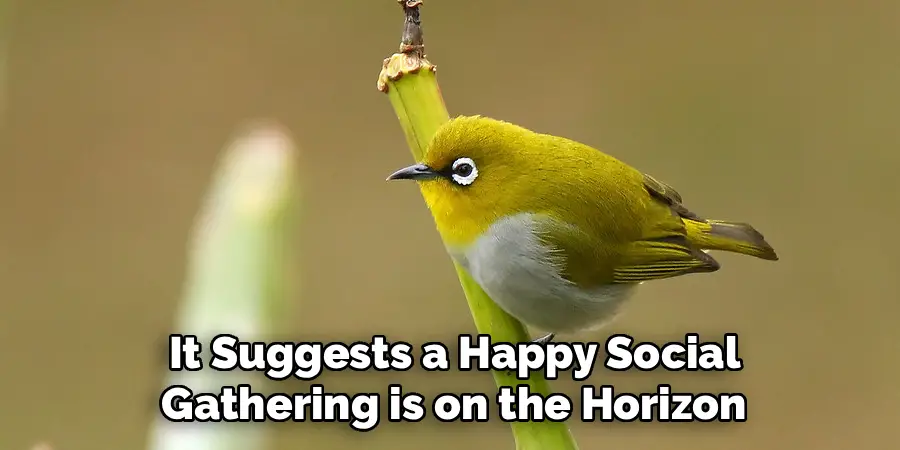
If the dream focuses specifically on the bird’s white eye-ring, looking at you intensely, it is a message to “open your eyes.” There is a truth right in front of you that you are missing or refusing to see. The dream is urging you to gain clarity on a situation.
Seeing a Zosterops feeding on fruit or nectar indicates that the rewards for your hard work are coming soon. It is a sign to enjoy the fruits of your labor and to allow yourself some pleasure and relaxation.
The Green Plumage: Heart Chakra and Healing
Most species of Zosterops have plumage that is yellowish-green or olive-green. In color psychology and chakra systems, green is the color of the Heart Chakra (Anahata), representing love, healing, and compassion. Yellow is the color of the Solar Plexus (Manipura), representing personal will, intellect, and optimism.
The blend of these two colors in the Zosterops creates a powerful, energetic signature. It symbolizes a heart-centered optimism. It represents healing through happiness and connection. The bird teaches us to blend our personal will (yellow) with love for others (green). It suggests that the path to healing is found in nature and in community.
Camouflage and Harmony
This green coloration also serves as perfect camouflage in the leaves. This teaches the spiritual value of harmony. The Zosterops does not try to dominate its environment; it blends into it. It lives in harmony with the tree. This reminds us to live in harmony with our own environments, respecting the spaces we inhabit and finding a way to fit in peacefully rather than constantly fighting against our surroundings.
Conclusion
The Zosterops spiritual meaning, symbolism and totem offers a refreshing and vital perspective on how to live a good life. This tiny bird, with its bright eyes and energetic spirit, teaches us that we do not need to be giants to be powerful. We simply need to be connected.
By embracing the wisdom of the Zosterops, we learn to clear our vision of judgment, to cherish the sweetness of nectar in our daily lives, and to find our greatest strength in the company of others. It reminds us that we are adaptable, resilient, and capable of rapid transformation. Let the Zosterops be your guide to a life lived with wide-open eyes and a wide-open heart, surrounded by a flock that lifts you up.

About
Jennifer Branett is a distinguished figure in the world of Garden design, with a decade of expertise creating innovative and sustainable indoor solutions. His professional focus lies in merging traditional craftsmanship with modern manufacturing techniques, fostering designs that are both practical and environmentally conscious. As the author of garden, Jennifer delves into the art and science of garden-fix, inspiring artisans and industry professionals alike.
Education RMIT University
(Melbourne, Australia) Associate Degree in Design (Jennifer Branett) Focus on sustainable design, industry-driven projects, and practical craftsmanship. Gained hands-on experience with traditional and digital manufacturing tools, such as CAD and CNC software.
Nottingham Trent University
(United Kingdom) Bachelor’s in Garden and Product Design (Honors) Specialized in product design with a focus on blending creativity with production techniques. Participated in industry projects, working with companies like John Lewis and Vitsoe to gain real-world insights.Publications and Impact
In indoor, Jennifer Branett his insights on Garden design processes, materials, and strategies for efficient production. His writing bridges the gap between artisan knowledge and modern industry needs, making it a must-read for both budding designers and seasoned professionals.