

There is a sound that follows you along any Australian shoreline, a bright, ringing cry that cuts through the wind and the surf. Look up and you will likely find the source: a small, tidy bird wheeling overhead, white head flashing in the sun, watching you with a kind of cheeky confidence. The silver gull rarely waits for an invitation.
I first paid real attention to one while eating chips on a harbor wall, mostly because it was eyeing my lunch with open intent. It landed close, tilted its head, and seemed to weigh its chances.
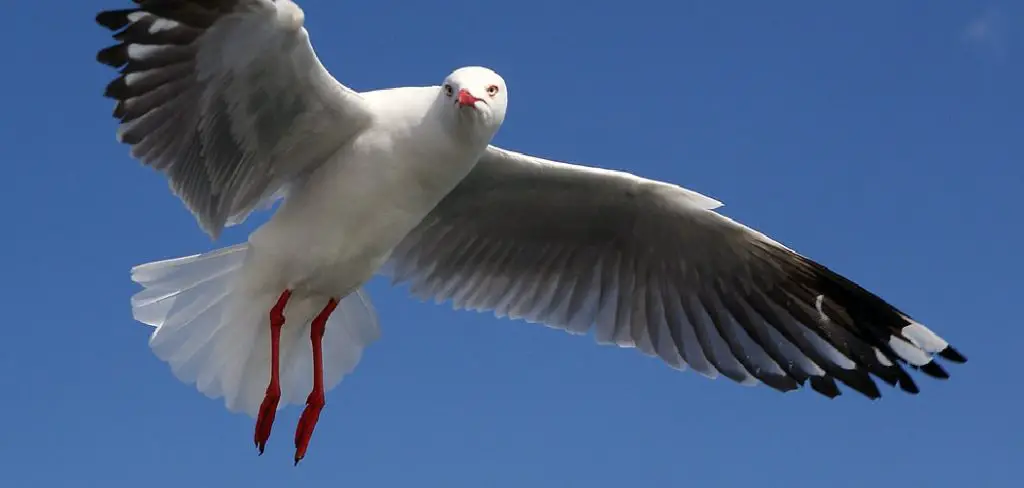
That moment stuck with me longer than it had any right to. There was something in the way that small bird carried itself, so at ease in a busy, human place, that felt like a quiet lesson about belonging anywhere.
If you have found yourself drawn to this lively seabird, the silver gull meaning, symbolism and totem may have a word or two for you. This article wanders through the whole picture: what the bird is, what people have read into it, and how you might build a gentle relationship with it as a totem.
Meet the Silver Gull: A Familiar Coastal Companion
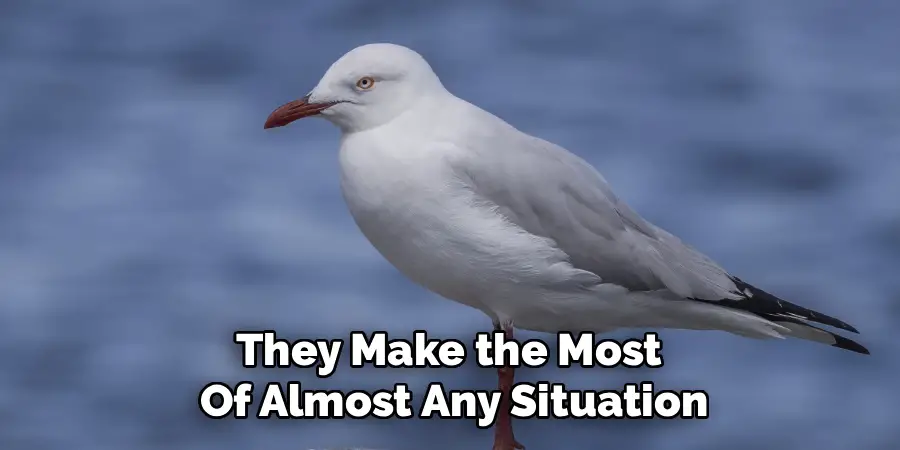
The silver gull is smaller and neater than the heavy gulls many people picture. It has a crisp white head and underparts, pale silver-grey wings, and a bright red bill matched by equally red legs that give it a tidy, almost dressed-up look.
Watch one for a while and you notice the buoyancy in its flight. It patrols beaches, harbors, and open spaces with a cheerful, watchful energy, never quite still, always seeming to have somewhere to be.
A bird’s habits tend to shape the meaning we hand it, and the silver gull is a clear case. Its confidence is not invented. It is right there on the pier railing, plain to anyone who slows down to look.
Where the Silver Gull Lives and Thrives
You find silver gulls across an unusually wide range, along coastlines and wetlands but also in inland towns and city parks throughout Australia. They are not picky. A car park can suit them nearly as well as a windswept cape.
That comfort in both wild and human spaces ties the bird to ideas of adaptability and feeling at home almost anywhere. It does not seem to mourn the loss of one habitat when another presents itself.
You could read its easy presence across so many landscapes as a mirror for your own life. Most of us want, somewhere deep down, to flourish wherever we happen to be planted, and the gull manages it without apparent effort.
Natural Traits That Shape Its Symbolism
Slow down and a few qualities stand out. The cleverness, first, since these birds work out human routines with unsettling speed. The boldness, too, the way one will stride right up to a picnic without flinching.
Then there are the colonies, noisy and sociable, where hundreds of these gulls gather and squabble and somehow still cooperate. They find food in a remarkable number of ways, which says something about their wit.
These are watchable behaviors, not romantic guesses. That grounding is part of why the symbolism feels honest rather than dreamed up.
The Core Symbolism of the Silver Gull
Strip away the poetry and a few central themes remain. Adaptability. Resourcefulness. And the quiet strength that comes from belonging to a community rather than going it alone.
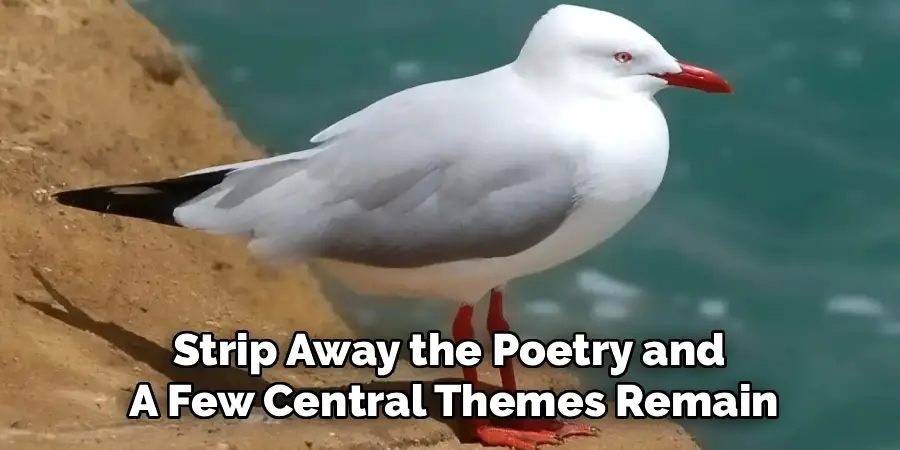
A bird that thrives in nearly every environment becomes, almost inevitably, an emblem of flexibility and clever, joyful connection.
Adaptability and Resourcefulness
The silver gull’s talent for thriving in shifting, unpredictable conditions reads as adaptability, and more than that, as creative problem-solving. It does not panic when circumstances change. It adjusts.
That flexibility may suggest something useful about resilience. Bending with a situation is not the same as giving up, though we sometimes confuse the two.
I find the bird makes a decent argument for resourcefulness as a kind of art. Making the most of whatever is at hand, with a bit of good humor, can turn an unwelcome change into an opening you did not expect.
Community and Social Connection
Then there are those bustling colonies. They point toward the power of community, teamwork, and a shared sense of belonging that seems to make the whole flock stronger.
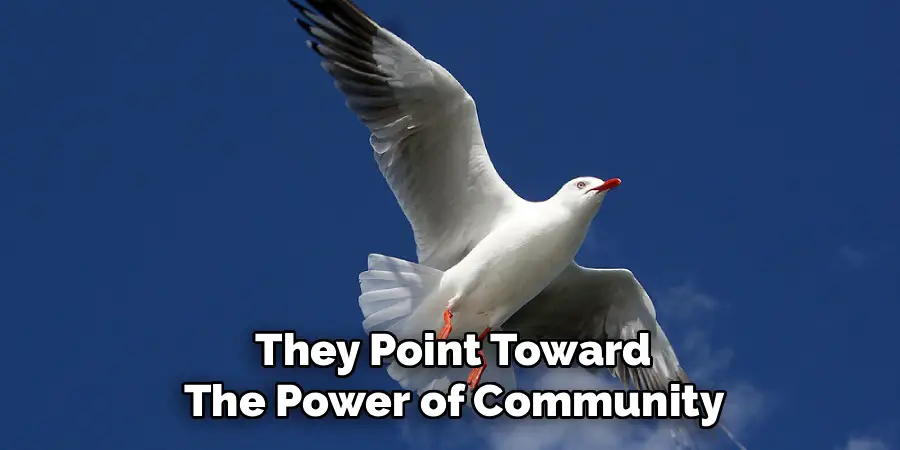
It may encourage you to value your own circles of support rather than treat independence as the only virtue worth having. Connection, the gull suggests, is not weakness.
Thriving together tends to bring more resilience than struggling alone ever does. If you have been carrying too much solo lately, this part of the silver gull meaning, symbolism and totem might be the one that lingers.
Silver Gull Meaning: Spiritual Meaning
Move past the surface traits and the bird starts to feel like a guide for embracing change with confidence. It masters land, sky, and sea at once, three realms that rarely overlap so easily.
That command of so many spaces appears to point toward balance, a creature equally at home in freedom and in the company of its own kind. Take from it what you will, though the fit is hard to ignore.
A Messenger of Opportunity
Ever alert and ready to seize the moment, the silver gull becomes a natural emblem of spotting the opportunities hidden in ordinary life. It does not wait for a perfect chance. It acts on the one in front of it.
It may encourage you to stay open, curious, and willing to move when something appears. Opportunity, in my experience, rarely announces itself loudly. It tends to arrive in plain, unremarkable packaging.
There are stretches when you feel stuck, as if nothing is happening. The gull offers a small comfort there, a reminder that fresh possibilities are probably circling nearby, waiting to be noticed.
Balancing Freedom and Belonging
That free, soaring flight paired with its love of lively colonies reflects an unlikely pairing. Independence joined to a deep connection, neither one canceling the other.
That could indicate a healthier idea of how to live. You can honor your need for open space while still staying tied to the people who matter, and the two do not have to compete.
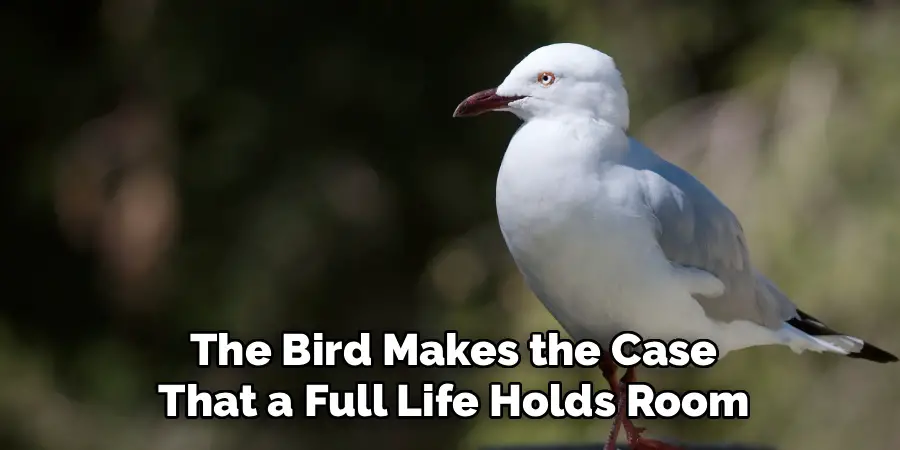
Easier said than lived, of course. Still, the bird makes the case that a full life holds room for both wide skies and a place to land.
Silver Gull Symbolism in Culture and Folklore
Gulls have drifted through coastal and seafaring stories for a long time, usually as clever survivors rather than ominous signs. Shoreline communities watched them closely, and that attention turned into meaning.
This is less grand mythology and more everyday observation that slowly hardened into something lasting.
Gulls as Signs for Sailors and Coastal Peoples
For people who lived by the water, gulls were genuinely useful. Their gathering hinted at fish below, and the sight of them often meant land was not far off.
A bird that reliably points you toward food and safety earns a reputation. Over generations, that practical role shaded into something close to companionship, the gull as a cheerful guide and a quiet bringer of luck.
It is easy to see how a helpful bird becomes a treasured one. Gratitude, after all, has a habit of turning into a story.
Shared Themes Across Coastal Traditions
Look across different seaside cultures, and certain ideas keep returning. Survival. Community. Opportunity. A deep tie to the sea and its rhythms.
The silver gull fits neatly into these threads. Its knack for thriving wherever people gather alone seems to invite tales of adaptability and good fortune.
These overlaps are worth noticing. They hint that the bird touched something common in how people made sense of their shores.
The Silver Gull as a Totem Animal
To carry the silver gull as a totem is to recognize a piece of yourself in it. People drawn to this bird often share its adaptability, its cleverness, and its sociable, upbeat spirit.
A totem works less like a label and more like a lifelong companion, reflecting traits you already hold rather than ones you have to manufacture.
Personality Traits of Silver Gull People
Those guided by this totem tend to be flexible and quick-thinking, the sort who land on their feet when plans fall apart. They often thrive amid change rather than dreading it.
They make the most of almost any situation, and they bring a lively, friendly energy into the groups they join. People tend to feel a little lighter around them.
Independence matters to them, yet they stay genuinely tied to their community, which can look like a contradiction until you watch them live it. If any of that sounds familiar, you might already be a silver gull person without having named it.
When the Silver Gull Appears in Your Life
Sometimes a bird keeps surfacing, in fact or in thought, until it begins to feel like more than chance. A sudden sighting, or a run of silver gull images, may point toward a need to adapt, seize an opportunity, or lean on the people around you.
It might be nudging you toward a more flexible frame of mind during a season that has felt rigid. Noticing the pattern is the first real step. You do not have to read it perfectly, only pay it some attention.
Connecting With the Silver Gull as Your Totem: Your Step-by-Step Guide
Here is the practical heart of it. Think of me as a friend talking you through this, not a strict teacher. Move at your own pace, and let the connection deepen rather than forcing it.
Step 1: Set a Clear Intention
Begin by naming what you hope to find. Adaptability, perhaps, or resourcefulness, or a stronger sense of belonging during a lonely stretch.
A simple, honest intention carries more than a perfectly worded one. Sincerity matters far more than polish here.
Step 2: Observe the Bird in Nature or Imagery
Spend time watching silver gulls near coasts, parks, or harbors if you can, or study photos and videos of their lively flight. Patient observation builds a real familiarity.
Even a quiet moment with a single image can stir something. You begin to feel the bird’s clever, cheerful energy rather than just know facts about it.
Step 3: Reflect Through Journaling
Write down feelings, dreams, or situations that seem to call for flexibility or fresh opportunity. Journaling has a way of surfacing patterns you would otherwise miss.
Be honest, and stay gentle with yourself as the words come. You may notice where a little more adaptability, or a little more connection, would help you move forward.
Step 4: Practice Quiet Meditation
Sit for a few minutes and picture the silver gull soaring freely above a sparkling shore before gliding down to rejoin its noisy flock. Let that image settle your attention.
The scene invites adaptability and a sense of belonging at once. A short session often leaves you more open and steady than you expected going in.
Step 5: Apply the Lessons to Daily Choices
Carry the bird’s traits into real decisions. Adapt with ease where you can, watch for the openings, and lean into the connections that support you.
Notice the small wins. Flexible, resourceful choices build confidence over time, even when each one feels minor on its own.
Step 6: Express Gratitude and Stay Open
Thank the totem in whatever way feels natural, and stay receptive to what follows. The relationship lives through that openness.
Acknowledge any guidance when it shows up. The bond tends to grow a little brighter each time you pause to give thanks.
Silver Gull as a Spirit Animal Versus Power Animal
These two roles get blurred often, though they offer different kinds of support. The distinction is gentle rather than rigid, so try not to overthink it.
The Silver Gull as a Spirit Animal
A spirit animal tends to arrive during a particular stretch of life, carrying a timely message. The silver gull in this role may show up when you need adaptability, opportunity, or a reminder of the value of community.
You do not summon it so much as notice it. Its appearance is the invitation itself.
The Silver Gull as a Power Animal
A power animal works the other direction. You call on its energy on purpose, drawing on the gull’s flexibility or upbeat confidence when a shifting moment demands it.
This is an active practice, something you reach toward. Anyone can use it, and nothing mystical is required to begin.
Common Questions and Misunderstandings
A little skepticism is healthy here. Animal symbolism gets brushed aside easily, sometimes for fair reasons, so clear eyes help.
Does Bird Symbolism Really Apply to Me?
Symbolism is a tool for reflection, not a forecast carved in stone. Its real value sits in the self-awareness it stirs, not in any claim about your future.
Keep what resonates and quietly leave the rest. Your own intuition is the better judge of what rings true.
Mixing Up the Silver Gull With Other Gulls
People confuse the silver gull with larger gull species fairly often. The clearest giveaways are its smaller size, that bright red bill and legs, and the crisp white-and-silver coloring.
Getting the identification right matters more than it might seem. A connection built on the actual bird, rather than a vague seabird, simply feels more honest.
Conclusion
So we circle back to where we began, with a small bird eyeing my chips on a sunlit harbor wall. Across all of this, the silver gull meaning, symbolism and totem keep returning to the same quiet ideas: adaptability that turns change into opportunity, resourcefulness worn lightly, and the steady warmth of belonging to something larger than yourself.
The encouraging part is how reachable it all is. You need no special training to learn from this bird, only a willingness to look up and notice it.
There is real strength in embracing change and treasuring the connections that lift you. The silver gull seems to manage both, day after day, wherever people happen to gather.
So walk beside the water sometime soon, glance up at the skies, and stay open to what this spirited little bird might be reflecting at you. The lesson, if there is one, tends to arrive with a cheerful, ringing cry.
