

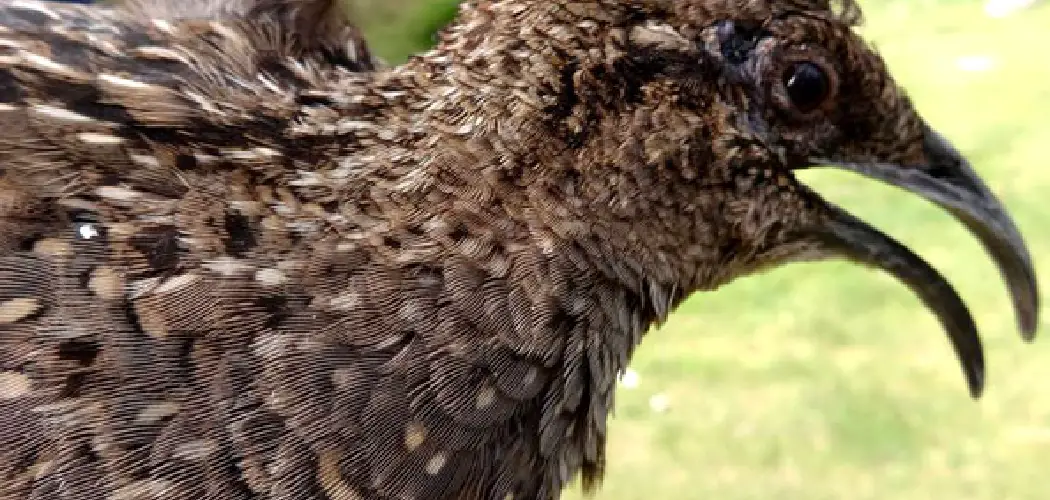
Somewhere in the high Peruvian Andes, where the grass grows in stiff, pale tufts and the air bites at your lungs, a small bird slips between the stalks. You would never spot it on purpose. Its streaked brown feathers dissolve into the ground the moment it stops moving.
Then a thin, plaintive whistle carries across the cold air. You hear the bird long before you’d ever lay eyes on it.
That’s the Taczanowski’s Tinamou more or less summed up. A creature of the heights, glimpsed rarely, known mostly by its call and the sense that it was there a second ago.
Exploring the Taczanowski’s Tinamou meaning, symbolism and totem tends to surface a few quiet themes. Hiddenness. Patience. A kind of intuition that trusts what the eyes can’t confirm. Let’s walk toward those slowly, starting with the living bird.
Meet the Taczanowski’s Tinamou
Before the symbolism carries any weight, it helps to know the actual creature. The meanings feel more earned once you can picture the thing that inspired them.
A Portrait of the Bird
The Taczanowski’s Tinamou is rounded and modest, low to the ground rather than built for spectacle. Its feathers run through soft browns and greys, finely streaked in a pattern that seems designed to disappear.
And disappear it does. Against rocky, grassy terrain, the bird reads more like a shadow than an animal. There’s nothing loud about it, which turns out to be rather the point.
Where It Lives and How It Behaves
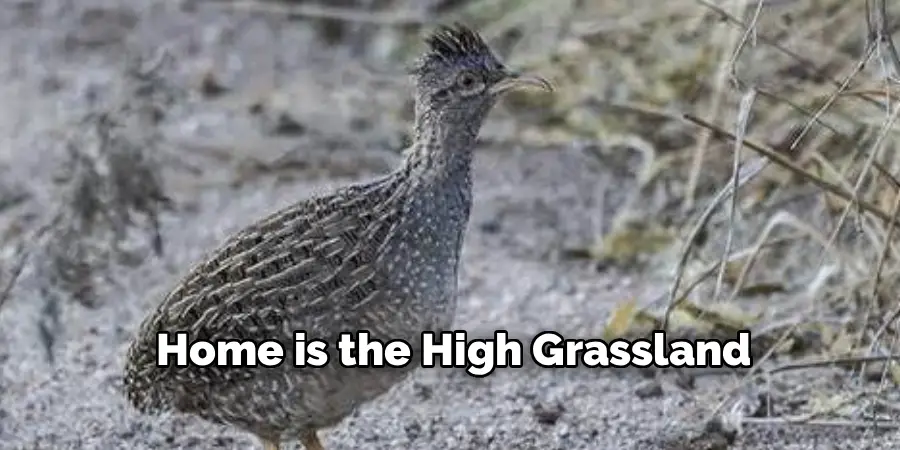
Home is the high grassland and the shrubby slope, the demanding country of the Andes where cover is sparse and the weather rarely cooperates. The bird favors walking over flying, moving with a careful, deliberate quiet.
It seems to prefer the ground under its feet to the risk of the open sky. That shy, earthbound way of living hints at themes worth sitting with later. Groundedness, mainly. A habit of moving through the world with intention rather than haste.
Why This Bird Carries Spiritual Meaning
A creature you mostly hear, seldom see, and find only in harsh places tends to gather stories. This tinamou is exactly that sort of creature.
Its gift for camouflage, its haunting whistle, its knack for staying just out of view. All of it invites people to read something deeper into it. Hidden wisdom, perhaps. Quiet resilience. The strange power of remaining unseen until the moment feels right.
Taczanowski’s Tinamou Meaning: The Spiritual Meaning
Here we reach the heart of it. What might this elusive mountain bird actually be saying, once we start listening for meaning?
The Power of Camouflage and Hiddenness
Consider a bird that survives largely by not being noticed. Blending in isn’t cowardice for the tinamou. It’s craft, and it keeps the creature alive in open country where hiding is the whole game.
Read that way, its camouflage speaks to protecting your energy. Choosing carefully when to reveal yourself and when to stay quiet. There may be more safety in discretion than in constant display, and this bird seems to know it.
Patience and Deliberate Living
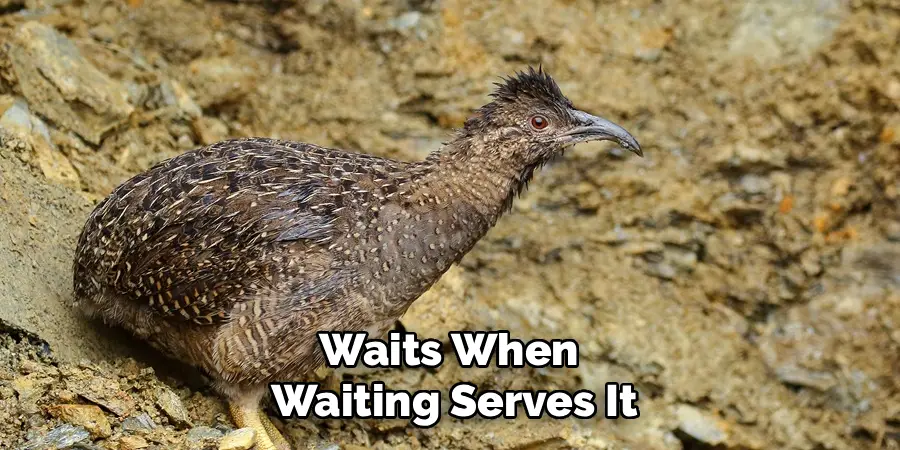
Nothing about the tinamou’s movement suggests hurry. It steps with care, waits when waiting serves it, and acts only when the moment is genuinely right.
That could point toward a certain wisdom. Acting with intention rather than reacting on impulse. Trusting that steady patience often reaches what frantic effort cannot, even if it takes the longer road to get there.
Intuition and Quiet Awareness
Survival at altitude demands constant alertness. Every rustle registers with this bird, every shift in the grass, long before any real danger arrives.
Symbolically, that watchfulness reads as intuition. It may suggest listening closely to your surroundings and, more to the point, honoring the faint signals your inner voice sends. The ones you might otherwise talk yourself out of noticing.
Inner Strength in Harsh Places
Then there’s the sheer fact of where it lives. Cold nights, thin air, ground that gives little back. A bird that not only survives but settles into such a place carries a quiet toughness.
That endurance appears to speak of an unshakable resilience. Real strength, the kind that often hides beneath a calm and humble surface rather than announcing itself to anyone watching.
Cultural Symbolism Across Regions
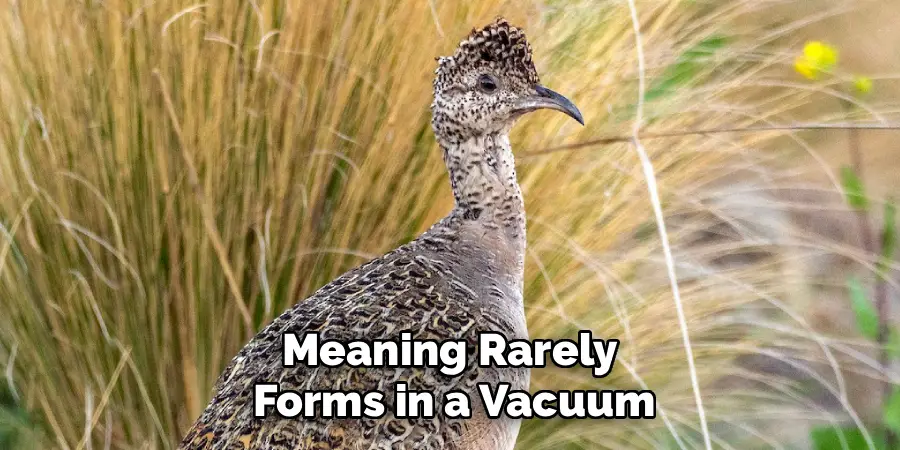
Meaning rarely forms in a vacuum. It’s worth a glance at how various cultures and traditions have regarded this bird and its relatives.
Roots in Andean Indigenous Traditions
Communities living in the high country would have known the tinamou intimately. Its calls, its seasons, the slopes it favored. For people that close to the mountains, a ground bird woven into everyday life tends to gather associations.
The land itself. Survival against long odds. The sacred rhythm of the high country. The particulars shift from valley to valley, of course, yet a thread of respect for what endures runs through much of it.
The Bird in Folklore and Storytelling
Tinamous and shy birds like them turn up in regional tales, though seldom as grand heroes. More often they play the humble figure, the cautious one, the small creature that gets by on cleverness rather than force.
There’s a quiet dignity in that role. The modest survivor, outlasting bigger and bolder players through patience and wit, seems to be a story people keep returning to.
Shared Symbolism With Other Ground Birds
Step back and the pattern widens. Ground-dwelling birds across the world, quail, partridge, and their kin, tend to gather comparable meanings.
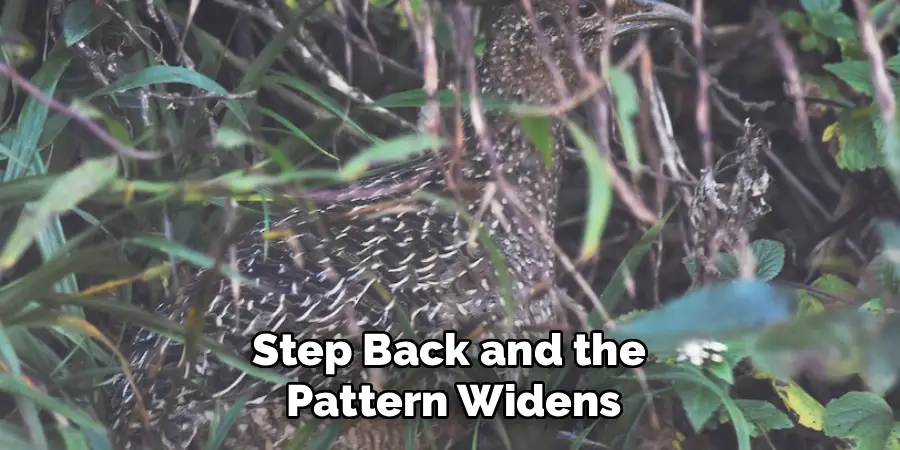
Earthiness. Modesty. A resilience that doesn’t seek an audience. The Taczanowski’s Tinamou sits comfortably within that broader family, sharing symbolic threads with birds it will never meet.
Taczanowski’s Tinamou Totem Qualities
So what might it mean to carry this bird as a totem? Treat what follows less as a rigid profile and more as gifts you may recognize in yourself.
Traits of People Guided by This Totem
Those drawn to the Taczanowski’s Tinamou often share a grounded steadiness. They tend to notice what others miss, quietly, without making a show of it.
Observant and inwardly intuitive, they trust their gut more than they let on. There’s a watchful, self-contained quality to them, the sort that reads a room before speaking in it.
Strengths This Totem Brings
The gifts here run to the understated kind. Patience. Discretion, which is really the art of knowing what to keep to yourself. A talent for adapting without fuss.
And beneath it all, a calm inner steadiness. Others often find it reassuring to be near, even when they couldn’t quite explain why.
Challenges and Growth Areas
No totem is all light, and this one has its shadows. A person guided by the tinamou may withdraw too far, retreating into hiding when boldness would actually serve them better.

The instinct to stay concealed can tip into avoidance. That’s worth naming gently, not as a flaw but as an invitation. A place where a little more courage might round out an already thoughtful character.
Taczanowski’s Tinamou as a Spirit Animal
A spirit animal tends to arrive on its own terms rather than waiting to be summoned. So when might this one show up?
When the Tinamou Enters Your Life
Often it surfaces during stretches when life has grown too loud or too exposed. When you need to slow down, protect your peace, or find your footing through a patch of uncertainty.
It may appear when your instincts are quietly trying to speak, if only you’d stop drowning them out. The timing tends to favor the moments that call for stillness, not the ones that call for noise.
Messages It May Be Sending
The messages run soft. Guard your energy against whatever drains it. Honor quiet, deliberate action over the rushed, showy kind.
The tinamou seems to favor the considered path, the step taken on purpose rather than in panic. Its presence may simply be nudging you back toward that rhythm.
How It Differs From a Power Animal
A small distinction is worth drawing here. A spirit animal visits, arriving with a message when the timing fits, largely outside your control.
A power animal is another matter. That’s an energy you call upon deliberately, drawing on its qualities when you need them. This tinamou can play either role, though its gentle, watchful nature seems to suit the visiting messenger more naturally than the summoned ally.
Taczanowski’s Tinamou Dream Interpretation
Dreams add another layer, one best held loosely. What follows are possibilities, not verdicts.
Seeing the Bird Hidden or Still
A tinamou sitting concealed and calm in a dream may reflect something you’re reaching for. Grounding, perhaps. Safety, or a season of quiet protection you sense you need.
It could be your mind picturing the shelter you’re missing. Or a quiet reassurance that it’s alright to stay tucked away for a while longer.
A Tinamou Startled or Fleeing
A bird that bolts, startled into sudden motion, carries a different charge. It might mirror a fear you’ve been circling, or an urge to retreat from something pressing in on you.
Then again, it could work as a prompt. A nudge to turn and face whatever you’ve been quietly sidestepping, rather than scattering away from it once more.
Hearing Its Whistle
Sometimes the bird never appears at all. You only catch that thin whistle, drifting from somewhere out of sight in the dream.
That sound may signal intuition reaching for you. An inner message calling from just beyond view, asking you to pause and listen more closely than you’ve been willing to.
How to Connect With the Taczanowski’s Tinamou: Step-by-Step Guide
If this mountain bird has caught your attention, you can build a relationship with it. There’s no rush and no single correct method, though a gentle structure helps. Walk this trail with me.
Step 1: Learn the Bird’s Story and Nature
Start where we started. Study the real Taczanowski’s Tinamou, its habits, its high Andean home, its quiet and secretive ways.
This isn’t busywork. Genuine respect for the creature lays the groundwork for everything that follows, so let curiosity lead the way first.
Step 2: Create a Quiet Space for Reflection
Find somewhere calm. A corner, a chair by a window, any spot where the noise of the day falls away for a while.
Sit down. Breathe. Let yourself settle into the same watchful stillness the bird seems to carry, and stay open to it.
Step 3: Meditate on the Bird’s Hidden Strength
With your eyes closed, picture the tinamou. See it moving softly through the mountain grass, unhurried, half-vanished against the ground.
Draw that quality inward. The stillness, the patience, the quiet resilience of a creature built to endure unseen. Let it steady you for a few unhurried minutes.
Step 4: Notice Signs and Synchronicities
Afterward, stay quietly attentive in daily life. A feather on a path, an image that surfaces without warning, a sudden wash of calm awareness at an odd moment.
Note these things without forcing them into meaning. Some will matter, some won’t, and letting them simply be is part of the practice.
Step 5: Journal Your Insights and Dreams
Keep a small notebook within reach. Jot down thoughts, dreams, and the faint nudges that tend to slip away by morning.
Over weeks, patterns may emerge that you’d never catch in the moment. The page holds what the mind lets go.
Step 6: Honor the Connection in Daily Life
Carry the bond beyond your quiet corner. Spend time outdoors where you can. Practice patience, discretion, and a little trust in your instincts through the small everyday choices.
That’s where the tinamou’s lessons actually take root, in the ordinary grind rather than the peaceful sit. Quiet, consistent attention, exactly as the bird would give it.
Step 7: Reflect and Deepen the Bond Over Time
Now and then, return to your journal. Read back over it, and notice how you’ve shifted since you began.
Let the relationship grow at its own pace. This is an unfolding thing, not a task to finish, and that slow unfolding is really the whole point.
Everyday Lessons From the Taczanowski’s Tinamou
Set the mysticism aside for a moment. Plenty of this bird’s wisdom is simply practical.
Knowing When to Stay Quiet
The tinamou’s whole survival rests on blending in when it matters. There’s a lesson tucked in that. Stepping back and protecting your peace can be its own kind of strength.
You don’t owe every situation your full exposure. Sometimes the wiser move is to stay quiet and watch, and that’s not weakness. It’s judgment.
Trusting Your Inner Voice
That constant awareness the bird lives by translates well. It encourages you to honor your gut feelings rather than second-guessing them into silence.
Acting with quiet, grounded confidence, even when you can’t fully justify the hunch. Now and then the instinct simply knows first.
Finding Power in Humility
The Taczanowski’s Tinamou makes no grand display, yet it endures where showier creatures might not. Its strength is understated, nearly invisible.
That’s worth holding onto. Gentle, unassuming power tends to outlast the loud kind, quietly and without needing anyone’s applause.
Frequently Asked Questions
A few questions tend to come up. Here are honest, brief answers.
What Does the Taczanowski’s Tinamou Symbolize?
Mostly hiddenness, patience, intuition, and a quiet inner strength. It speaks to protecting your energy, moving with intention, and trusting the signals your instincts send.
There’s also a thread of resilience running through it. The kind that survives harsh places without ever making a fuss about the effort.
Is the Taczanowski’s Tinamou a Good Totem to Have?
It can be a grounding one, particularly if you value discretion and calm. People who resonate with it are often observant, intuitive types who prefer watching to performing.
Whether it suits you depends on what you’re seeking. If you want loud, forceful, fast-moving energy, this may not be your bird.
What Does It Mean to Dream of a Taczanowski’s Tinamou?
That depends on the dream, honestly. A hidden, still bird may point toward a need for grounding or quiet protection, while a fleeing one could reflect fear or avoidance.
Hearing its whistle, without seeing it, might mean intuition is trying to get through. Take these as gentle prompts rather than fixed answers.
Conclusion
So there it is. For a bird so easy to overlook against the mountain grass, the Taczanowski’s Tinamou meaning, symbolism and totem carries a surprising amount of quiet wisdom.
Discretion. Patience. Intuition, and that understated courage hidden beneath modest feathers. None of these are dramatic lessons, and they don’t need to be.
Connecting with this spirit animal is an unhurried, personal thing. It rewards quiet attention far more than effort or force, which feels fitting for a creature built to stay unseen.
Its reminders, to know when to stay still, to trust your inner voice, to find power in humility, can shape everyday life in real and lasting ways. So sit quietly for a moment. Stay open. And take that first small step toward welcoming the tinamou’s gentle guidance onto your own path.

About
Jennifer Branett is a distinguished figure in the world of Garden design, with a decade of expertise creating innovative and sustainable indoor solutions. His professional focus lies in merging traditional craftsmanship with modern manufacturing techniques, fostering designs that are both practical and environmentally conscious. As the author of garden, Jennifer delves into the art and science of garden-fix, inspiring artisans and industry professionals alike.
Education RMIT University
(Melbourne, Australia) Associate Degree in Design (Jennifer Branett) Focus on sustainable design, industry-driven projects, and practical craftsmanship. Gained hands-on experience with traditional and digital manufacturing tools, such as CAD and CNC software.
Nottingham Trent University
(United Kingdom) Bachelor’s in Garden and Product Design (Honors) Specialized in product design with a focus on blending creativity with production techniques. Participated in industry projects, working with companies like John Lewis and Vitsoe to gain real-world insights.Publications and Impact
In indoor, Jennifer Branett his insights on Garden design processes, materials, and strategies for efficient production. His writing bridges the gap between artisan knowledge and modern industry needs, making it a must-read for both budding designers and seasoned professionals.