

The marshland rarely reveals its secrets easily to the casual observer. We might walk past the murky, stagnant water completely unaware of the quiet giants standing just out of sight. These wetlands operate on a timeline that defies our modern obsession with speed and immediate gratification.
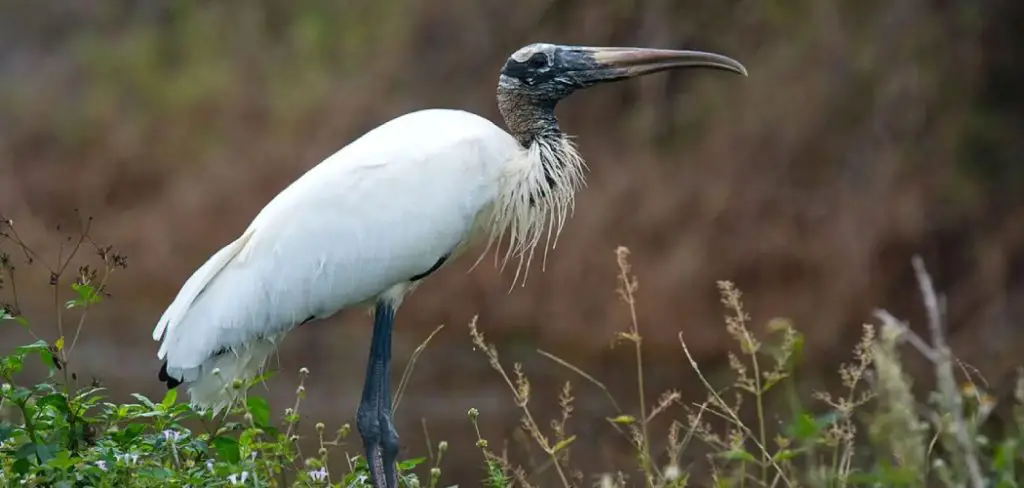
Among the towering cypress trees and tangled Spanish moss, a distinct silhouette often commands the shallows. The Wood Stork stands as a biological marvel of the Americas, marked by its unfeathered head and towering, prehistoric presence. Observing this wading bird appears to indicate a profound connection to the slow, rhythmic cycles of water.
Many naturalists note how the bird’s quiet existence in the swamps mirrors our own psychological need for deep reflection and stillness. Studying the Wood Stork Meaning, Symbolism and Totem could offer a rare glimpse into the mechanics of extreme patience. We are invited to slow our pace and appreciate the quiet strength inherent in trusting our sensory environment.
Understanding this creature might provide us with unexpected spiritual insights into how to navigate obscured realities. Our modern lives frequently mimic the murky waters of a coastal swamp, filled with unclear motives and shifting emotional tides. The stork suggests a method for surviving, and perhaps even thriving, when the path forward remains entirely hidden from view.
Physical Traits and Tactile Hunting
To accurately interpret the esoteric resonance of any animal, we must first examine the harsh biological realities of its existence. The Wood Stork possesses a highly specialized anatomy featuring a massive, heavy bill and exceptionally long, stilt-like legs. A distinct lack of feathers on its head gives it a somewhat severe, utilitarian appearance.
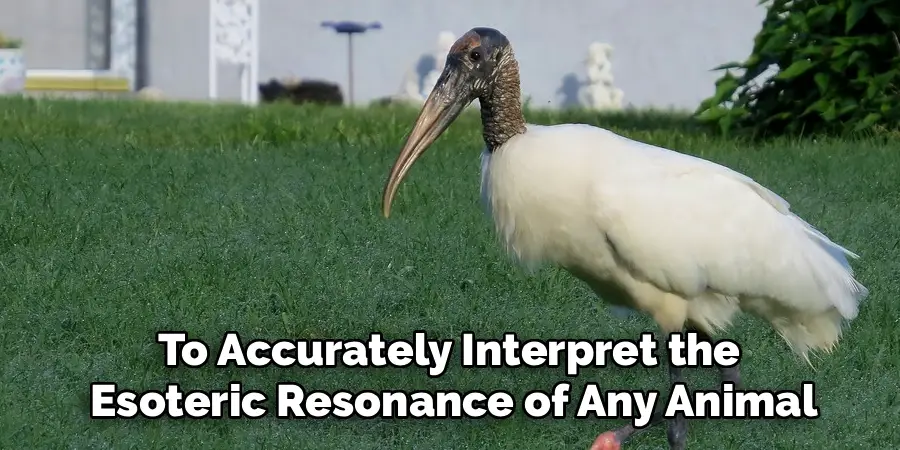
This unornamented design is hardly an accident of evolution. It functions as a highly sanitary adaptation for a creature that spends its life plunging its head into muddy, debris-filled water. We could interpret this physical trait as a natural reminder to strip away our own ego-driven decorations when doing difficult emotional work.
Its biology perfectly adapts to wetland environments where visual hunting is virtually impossible. The bird must navigate a habitat where suspended silt and algae completely obscure the water column. We might view this environment not merely as a physical location, but as a symbolic representation of muddy, unclear emotions that require specialized skills to navigate.
The Grope-Feeding Technique
Perhaps the most fascinating aspect of this swamp dweller is its unique method of securing nourishment. The bird wades methodically through the shallows with its massive beak held partially open in the water. It sweeps its head side to side, relying entirely on touch rather than sight.
The moment a fish brushes against the inside of the bill, it snaps shut with terrifying, lightning-fast precision. Biological researchers estimate this reflex action takes only a fraction of a second, making it one of the fastest response times in the vertebrate world. This biological fact serves as a powerful spiritual metaphor for trusting your physical intuition.
We frequently face situations where we cannot clearly see the outcome of our decisions. The grope-feeding technique suggests that intellectual analysis often fails when we operate in the dark. Instead, we must rely on our inner feelings and tactile instincts to capture the opportunities that brush against us.
Unpacking the Wood Stork Meaning, Symbolism and Totem
When we dedicate serious analytical thought to this creature’s esoteric significance, a theme of quiet endurance quickly emerges. Unpacking the Wood Stork Meaning, Symbolism and Totem reveals a spiritual framework built for surviving periods of profound uncertainty. It challenges the assumption that we must always have a clear, ten-year plan to achieve our goals.
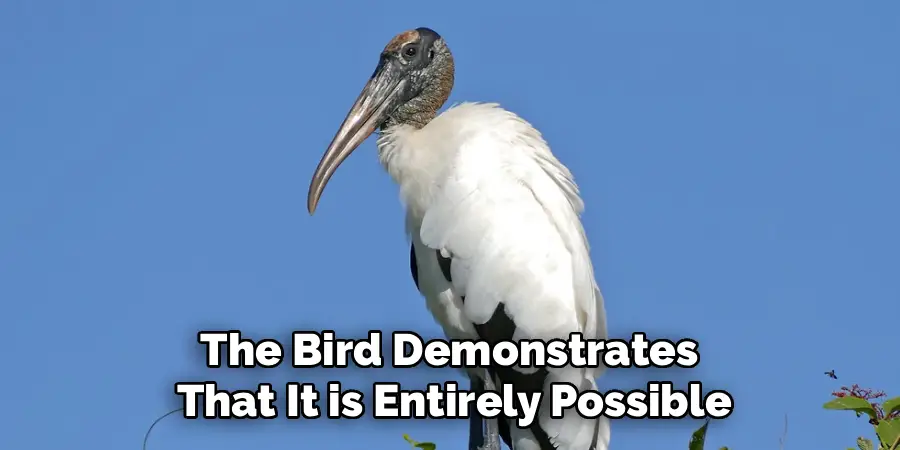
The bird demonstrates that it is entirely possible to find rich nourishment in challenging, visually obscured environments. It encourages individuals to embrace their darkest, muddiest periods as opportunities for deep sensory development. We could draw immense psychological strength from internalizing this specific, grounded energy.
The esoteric lessons we learn from this creature focus heavily on letting go of our demand for absolute clarity. It requires us to stop forcing solutions when the water is too muddy to read. Trusting the unseen currents becomes the only viable method for processing our immediate reality.
Patience in the Muddy Waters
Standing perfectly still in a chaotic environment requires an astonishing level of physical and mental fortitude. The stork will frequently freeze in place for extended periods, waiting for the natural movement of the water to bring prey to its feet. This calculated stillness acts as a direct metaphor for spiritual and emotional patience.
It teaches us to wait calmly during seasons of severe emotional turbulence or professional confusion. We cannot always force the water to clear, nor can we dictate how quickly our circumstances will improve. The bird models this stoic survival with absolute, unyielding perfection.
You might feel a sudden urge to panic and thrash around when your life becomes unpredictable. The stork arrives to remind you that excessive movement only stirs up more mud. It suggests that by outlasting the turbulence, you will eventually secure the exact opportunity you need.

Step-by-Step Guide to Embracing Your Totem
Aligning your personal frequency with a swamp-dwelling spirit requires an abandonment of loud, aggressive ambition. It demands that we roll up our sleeves and practice a highly uncomfortable level of stillness. Connecting with this totem is an active, demanding process of sensory awakening.
The following approaches offer highly practical methods for channeling this specific energy without relying on abstract magical thinking. They require quiet contemplation and a commitment to radical self-trust. You must be willing to act as your own sensory guide in the dark.
Step 1: Cultivate Stillness
You must actively confront the nervous energy that forces you to constantly check your phone or fill empty time with noise. Consider initiating a daily routine focused on absolute, physical stillness. This mimics the bird’s patient stance in the shallow waters of the marsh.
Sit quietly in a room and simply observe your environment without reacting to it. Do not attempt to fix anything, plan your next conversation, or analyze your current mood. Finding physical stillness gradually trains your nervous system to quiet a chaotic, overactive mind.
Step 2: Feel Your Way Through the Dark
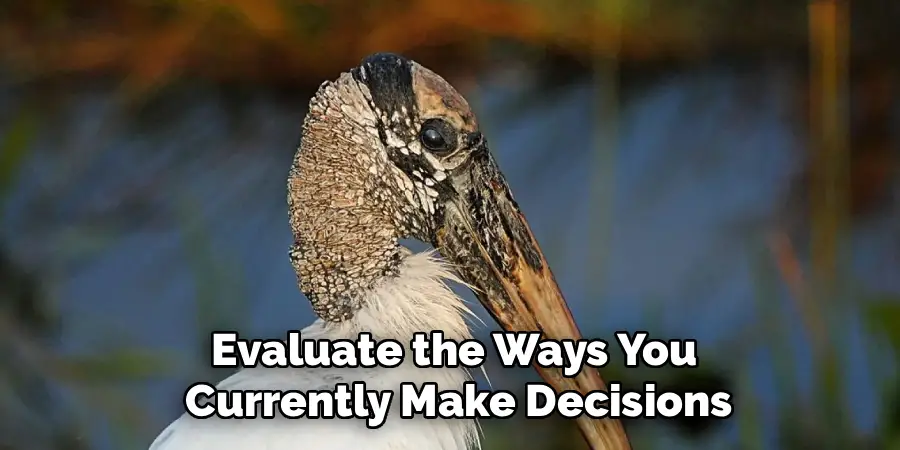
Evaluate the ways you currently make decisions when faced with incomplete information. You may find that you paralyze yourself by endlessly researching options that refuse to yield clear answers. Teach yourself to tune into your physical gut feelings during these confusing periods.
Learn how to trust the subtle tension in your chest or the sudden sense of ease in your shoulders. You do not have to map out every single variable before taking the next step. Relying on your tactile and emotional senses often provides a much safer navigational tool than pure logic.
Step 3: Strike When the Time is Right
Take actionable steps to recognize the difference between passive waiting and highly alert readiness. Once you have embraced stillness and trusted your intuition, you must be prepared to move violently fast. The bird does not hesitate for a fraction of a second when it finally feels the fish.
This practice helps separate necessary patience from fear-based procrastination. It builds a psychological habit of holding your energy in reserve until the absolutely perfect moment presents itself. Ultimately, this decisiveness ensures that your long periods of waiting actually yield tangible results.
The Wisdom of the Wood Stork
Adaptable Patience in Nature
The wood stork exemplifies adaptability and patience in its survival strategy. Known for thriving in both wet and dry seasons, this bird masterfully adjusts its behavior to suit its environment. During times of abundance, it capitalizes on opportunity, and in scarcity, it conserves its energy and waits for conditions to improve. This balance of action and restraint mirrors the wisdom required in human decision-making.
Precision in Action
When feeding, the wood stork uses an impressive method called “grope-feeding.” With its beak submerged in water, it waits still and focused, relying on touch rather than sight. At the precise moment it senses prey, the stork snaps its beak shut with exceptional speed and accuracy. This practice demonstrates the power of waiting for the perfect moment and taking swift, decisive action when the opportunity arises.
Adaptations of the Wood Stork
Specialized Beak Structure
The wood stork’s beak is uniquely adapted to its feeding technique. Its long, curved shape allows it to reach into shallow waters and maneuver through murky environments. The beak’s sensitivity is key to detecting movement, enabling the bird to hunt effectively even when visibility is limited.
Habitat and Ecosystem Role
Wood storks are primarily found in wetlands, such as marshes and swamps, where they thrive due to the abundance of aquatic prey. These birds play a critical role in their ecosystem by helping to maintain fish populations and balancing aquatic biodiversity. Their reliance on specific wetland habitats also underscores the importance of conserving these vital ecosystems.
Conclusion
The tangled cypress swamps hold deep wisdom for those willing to look closely at the creatures that master the mud. This towering wading bird models how to survive and thrive through extreme patience and an unshakeable trust in physical intuition. Its quiet presence challenges us to value sensory awareness over the illusion of complete intellectual control.
Applying these terrestrial lessons requires us to slow down and appreciate the unseen resources swimming around our ankles. We learn that true success comes from recognizing our environment, pausing to evaluate our options without panic, and striking with absolute conviction. The Wood Stork Meaning, Symbolism and Totem provides a perfect blueprint for finding clarity in obscured conditions. I encourage you to adopt its terrifying patience, trust your inner senses, and embrace the quiet strength required to navigate your own muddy waters.
