

Dew still clings to the bracken, and the first light is only beginning to warm the eucalypt trunks. Before most birds have stirred, a soft piping call rings out through the forest. A small gray bird with a glowing yellow breast clings sideways to a tree trunk and tilts its head as if listening for the day to answer.
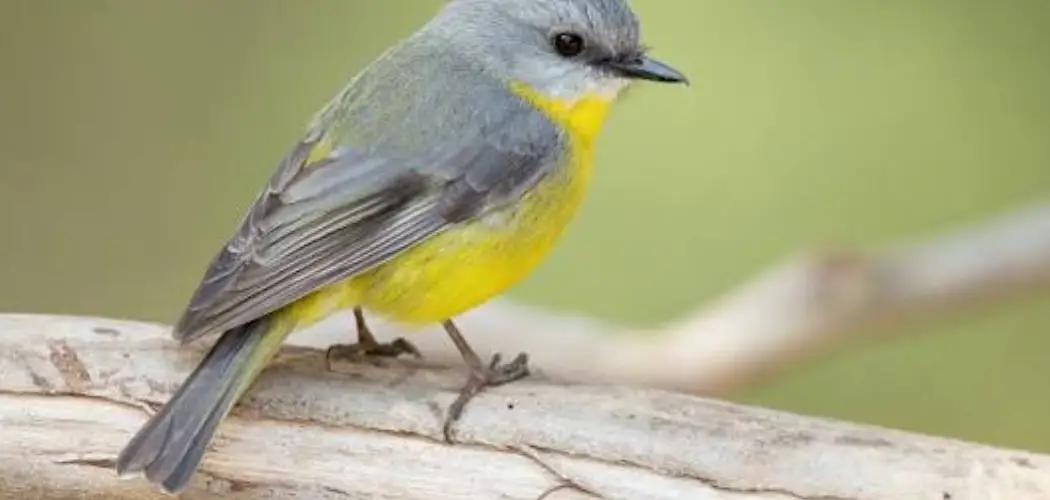
Few birds greet the dawn with as much sunny spirit as the one behind the Yellow Robin meaning, symbolism and totem. This curious forest bird carries an uplifting message about joy, wonder, and meeting each day with an open heart.
I learned how curious they are while eating lunch on a bush track in the Blue Mountains. A yellow robin landed on a stump nearby, then hopped a little closer, then closer still. It seemed every bit as interested in me as I was in it, and my sandwich went forgotten for a good five minutes.
That small exchange stuck with me. Understanding this totem may help you rediscover optimism and embrace curiosity. It might also nudge you to bring a bit more warmth to the people around you.
This guide covers the bird’s real traits, its core themes, Australian cultural roots, and a six-step totem practice. You’ll also find expert tips, common mistakes, real-world examples, alternative approaches, and FAQs.
Meet the Yellow Robin
“Yellow robin” usually refers to the Eastern Yellow Robin, the focus of this article. A close relative, the Western Yellow Robin, lives in southwestern Australia and looks noticeably different.
Grounding the symbolism in how the bird actually lives keeps it honest. So that’s where we’ll begin.
The Bird at a Glance
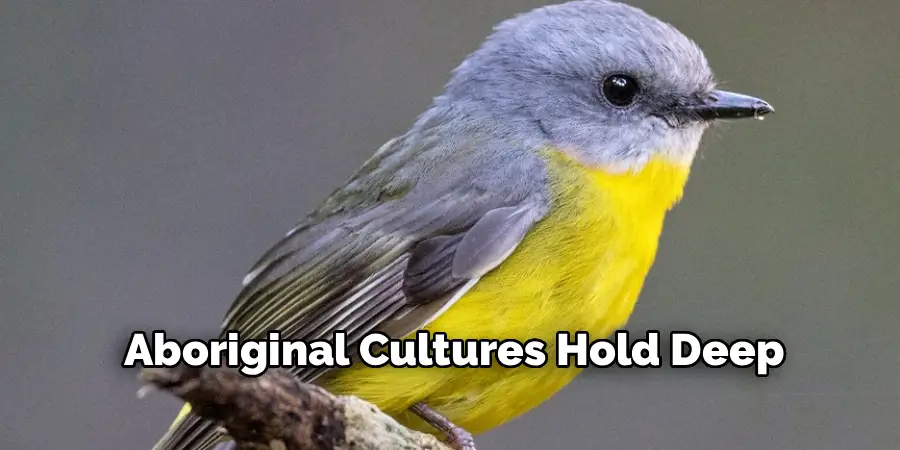
The Eastern Yellow Robin (Eopsaltria australis) lives in the forests, woodlands, rainforest edges, and leafy gardens of eastern Australia. Its range runs from Queensland through New South Wales and Victoria into southeastern South Australia.
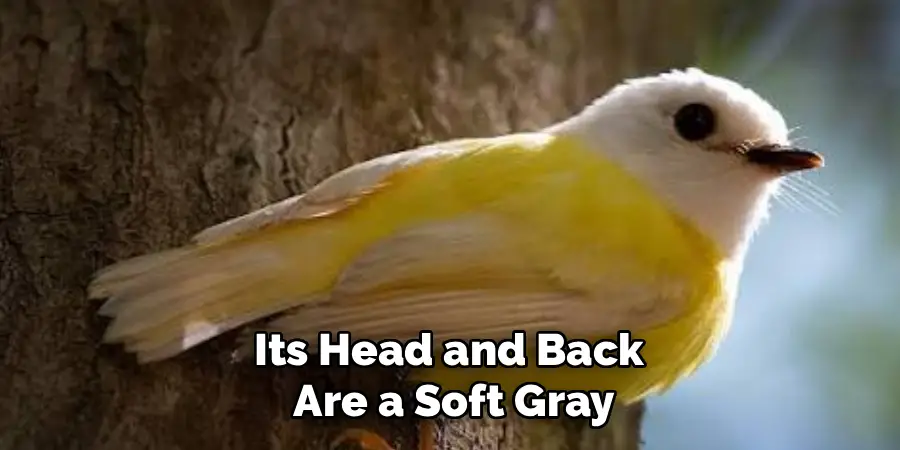
Its head and back are a soft gray, with a pale throat sitting above a bright yellow breast and belly. Males and females look almost identical, which is unusual among Australian robins.
Northern birds show a yellow rump, while southern birds have an olive-green one. Like the Scarlet and Pink Robins, it belongs to the Australasian robin family and isn’t related to the European Robin.
Behaviors That Shape Its Symbolism
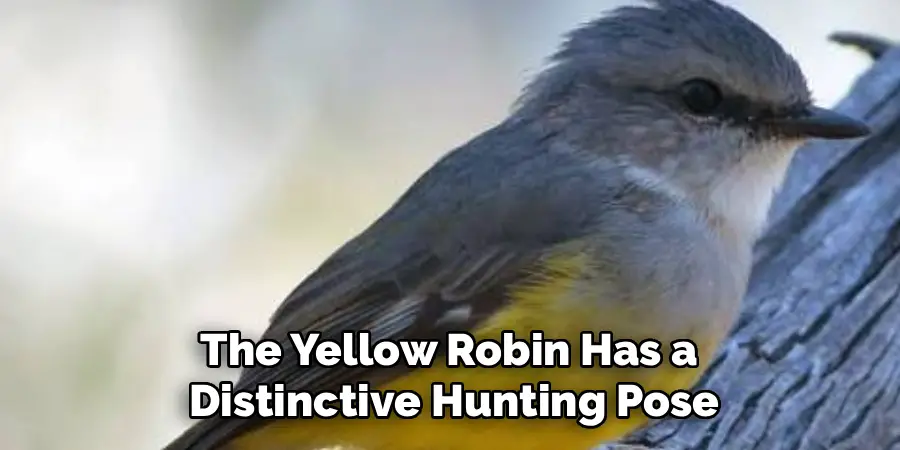
The yellow robin has a distinctive hunting pose. It clings sideways to a trunk low to the ground, watches patiently, and then drops onto insects below.
It’s also famously bold. Walkers, campers, and gardeners often find one hopping within a few feet of them, likely because people disturb the ground and stir up food.
Pairs stay in the same territory year-round. The species is often among the first birds calling at dawn and the last at dusk, and breeding pairs sometimes get help from other adults feeding the chicks. Joy, curiosity, and community all grow from these habits.
Yellow Robin Meaning, Symbolism and Totem: Core Themes
This bird’s meanings come from its sunny coloring and its fearless curiosity. Its loyalty to one patch of forest through every season adds a steadier layer.
Joy and Optimism
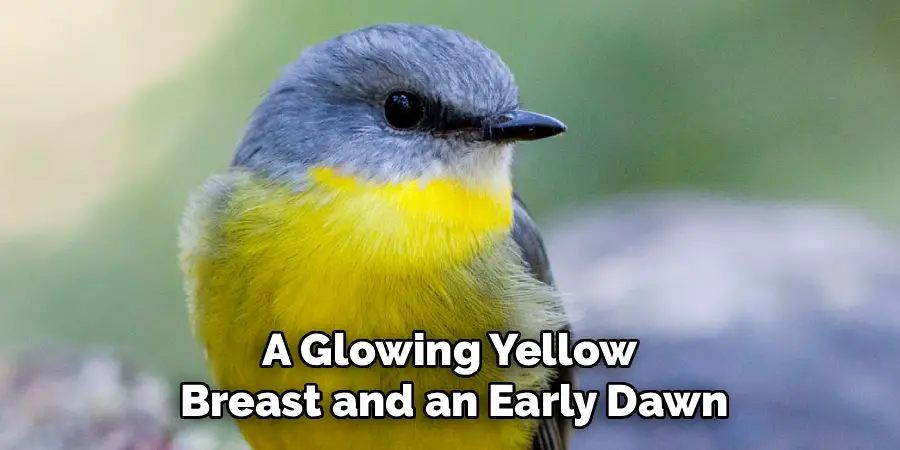
A glowing yellow breast and an early dawn call are hard to read as anything but cheerful. The bird may symbolize happiness and a hopeful outlook.
There’s a practical twist here. Joy, in the yellow robin’s world, looks like a daily habit rather than a rare reward saved for special occasions.
Curiosity and Playfulness
Hopping up to strangers takes a certain openness. The yellow robin could be read as a symbol of wonder and a playful approach to life.
You might take it as encouragement to keep asking questions at any age. Approaching unfamiliar situations with interest, rather than fear, tends to make them far less daunting.
Warmth and Sunshine Energy
Bright color, faithfulness to home, and shared care for chicks all point toward generosity. This bird appears to suggest that a cheerful, steady presence can make others feel safe.
Think of the friend who lifts a room simply by walking into it. The yellow robin seems to carry that same quality.
Spiritual Meaning of the Yellow Robin
Symbolism becomes more personal when you ask what a bird might mean for you specifically.
The Yellow Robin as a Spirit Animal
The yellow robin often seems to appear when someone feels weighed down by worry or stuck in routine. Its message appears to be simple: let some lightness back in.
Picture it clinging to a sunlit trunk, head tilted, eyes bright with interest. Wonder can return in an instant, and this bird seems to know exactly how.
The Yellow Robin as a Power Animal
People may call on the yellow robin when they need courage to try something new or lift a team’s spirits. Staying hopeful through a hard stretch fits here too.
Its patient perch and quick drop suggest curiosity paired with action. That energy could help when starting a new job, learning a skill, or supporting a struggling friend. Optimism, after all, is a brave choice.
Cultural Significance in Australia
A note of caution first. Specific traditional stories about this bird are difficult to verify, and Aboriginal and Torres Strait Islander peoples include hundreds of distinct nations with their own languages and knowledge.
First Nations Connections to Country
Aboriginal cultures hold deep, ongoing relationships with the land, waters, and creatures of their Country. In many communities, bird calls and behavior form part of seasonal knowledge, including the timing of the dawn chorus.
It’s fairer to place the yellow robin within that broader respect than to claim particular stories for it. Anyone hoping to share traditional names should consult local Aboriginal organizations or land councils first.
Settler Naming and a Familiar Bush Companion
Early European settlers called red-breasted Australian birds “robins” after the redbreast from home. The name later stretched to cover yellow-breasted relatives like this one.
Bushwalkers and backyard birdwatchers often rank it among the friendliest forest birds, and photographers love how close it lets them get. It depends on healthy understory vegetation, which quietly links its symbolism to habitat care.
How to Connect With the Yellow Robin Totem: A Step-by-Step Guide
Connecting with a totem is personal and, ideally, joyful. There’s no perfect method, so treat these steps as a flexible path you can shape to suit yourself.
Step 1: Recognize the Signs of the Yellow Robin
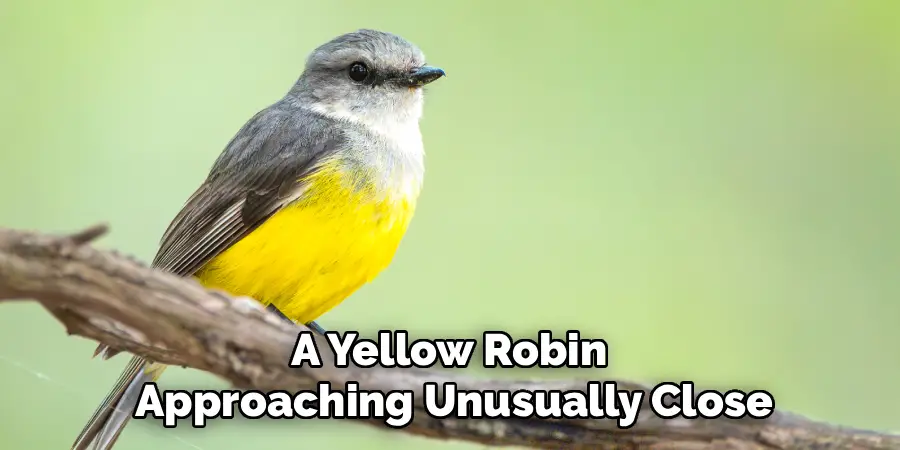
Start by noticing. A yellow robin approaching unusually close, its piping call at dawn for several days running, or recurring yellow bird imagery could all be signs.
Your circumstances may carry the message too. A season that calls for renewed hope might be the sign itself. Record each encounter in a phone note with the time, place, and your mood.
Step 2: Welcome Yellow Robins Into Your Space
Plant native shrubs for shelter and leave leaf litter and logs where insects can thrive. A shallow dish of clean water helps as well.
Skip bread and seed feeders, since yellow robins eat insects and do best on natural food. Outside Australia, welcoming any local insect-eating birds carries the same spirit.
Step 3: Reflect on the Yellow Robin’s Core Lessons
Journaling turns symbolism into something usable. Try prompts like “What small thing brought me joy today?” or “What would I explore if I weren’t afraid of looking silly?”
Each morning for a week, write down three things you feel grateful for. By the end, you may notice a subtle shift in your mood.
Step 4: Practice a Sunrise Visualization
Picture the robin clinging to a eucalyptus trunk as golden light spreads through the forest. Its yellow breast glows like a small sun.
Imagine that warmth filling your chest with each slow breath. Practicing near a sunny window or outdoors at sunrise makes the warmth feel real.
Step 5: Share the Yellow Robin’s Sunshine Every Day
Insight only matters once it shapes your choices. You might greet a neighbor warmly, ask a curious question in a meeting, or check in on a friend who seems low.
Pick one small act of joy each morning. A yellow mug or bookmark can serve as a cheerful reminder.
Step 6: Honor the Yellow Robin and Keep the Bond Alive
Give something back. Support bushland restoration groups, protect native understory in local parks, and keep cats indoors.
Avoiding pesticides protects the insects these birds rely on. Return to this practice during gloomy seasons, and let that dawn call remind you that every morning brings a fresh start.
Expert Tips for Better Results
For months, I assumed the same robin visited my friend’s garden each day. Watching more carefully, I realized a pair was taking turns, and their small partnership made the whole practice feel richer.
Build Consistent Habits
Observe at the same time daily, ideally early morning. Short, regular sessions tend to reveal more than occasional long ones.
This week, try a two-minute dawn listen from the same window or doorstep.
Learn From Others
BirdLife Australia publishes reliable information on robin behavior and conservation. Local birding groups can help you tell a yellow robin’s call from similar species.
Good sources lead to more grounded interpretation. Social media posts, by comparison, often skip the facts entirely.
Use the Right Tools Wisely
Basic binoculars and a bird call app cover most needs. Piling up symbolism dictionaries usually creates more confusion than clarity.
A simple notebook may be your most useful tool.
Common Mistakes When Interpreting Yellow Robin Symbolism
A few misunderstandings come up often. Each has a simple fix.
Confusing It With Other Yellow Birds
The Golden Whistler and several yellow-breasted honeyeaters are frequent mix-ups. The Western Yellow Robin, with its gray upper breast, lives in the southwest.
Check for the gray back, yellow underparts, and sideways trunk-clinging habit before interpreting anything.
Inventing Aboriginal Legends
It’s tempting to dress up symbolism with “Dreaming stories.” Resist that, honor First Nations knowledge with care, and label personal interpretations clearly.
Mistaking Joy for Forced Positivity
The yellow robin’s cheer is natural, not performed. Real joy makes room for hard feelings too, so your optimism stays honest rather than pressured.
Real-World Examples in Action
Two common scenarios show how this plays out.
Example 1: Lifting a Gray Season
Imagine someone working long hours through a dreary winter. A yellow robin starts visiting their balcony garden each morning.
They begin a gratitude note during those visits. Within a few weeks, mornings feel less like a chore.
Example 2: Curiosity at a New Job
Now picture a new employee too nervous to ask questions. Inspired by the robin’s boldness, they set one goal: ask a single curious question each day.
A small yellow sticky note on their monitor keeps the habit going. Colleagues soon start seeking them out.
Alternative Approaches Worth Considering
The step-by-step practice isn’t the only way to relate to this bird.
Tradition-Based vs. Personal Interpretation
Some people lean on documented tradition and published symbolism. Others trust their own feelings and treat each encounter as a private message.
Both carry value. Tradition offers shared depth, while personal reading feels more immediate.
Yellow Robin vs. Other Robin Totems
The Pink Robin teaches strength through softness, and the Scarlet Robin speaks to passion. The yellow robin, by contrast, leans toward wonder and openness.
You may need different robins in different seasons. That’s part of the appeal of exploring the series.
Frequently Asked Questions
What Does the Yellow Robin Symbolize?
It generally symbolizes joy, optimism, curiosity, and warmth. Its year-round loyalty to one territory also links it to steadiness and home.
What Does It Mean if the Yellow Robin Is My Spirit Animal?
It may suggest a cheerful, curious, warm-hearted nature. It could also signal a time to rediscover joy and lift others’ spirits.
Is Seeing a Yellow Robin a Good Sign?
Many people view it as a positive sign of happiness and brighter days, especially when the bird comes close.
Why Are Yellow Robins So Friendly?
They’re naturally curious and often follow people because footsteps and digging stir up insects to eat.
Conclusion
This sunny forest bird offers lessons in daily joy and the value of curiosity. It also models a warm, steady presence, and those lessons come alive through reflection and simple action.
Exploring the Yellow Robin meaning, symbolism and totem reminds us that a little curiosity and a lot of sunshine can transform an ordinary day. Picture it once more, clinging to a sunlit trunk at dawn, calling the forest awake.
Try Step 1 tomorrow morning by listening for the first birdsong. When you’re ready, continue the series with the Hooded Robin, a quieter, watchful cousin with a very different message.
Joy is rarely far away. Sometimes it’s hopping toward you already.
