

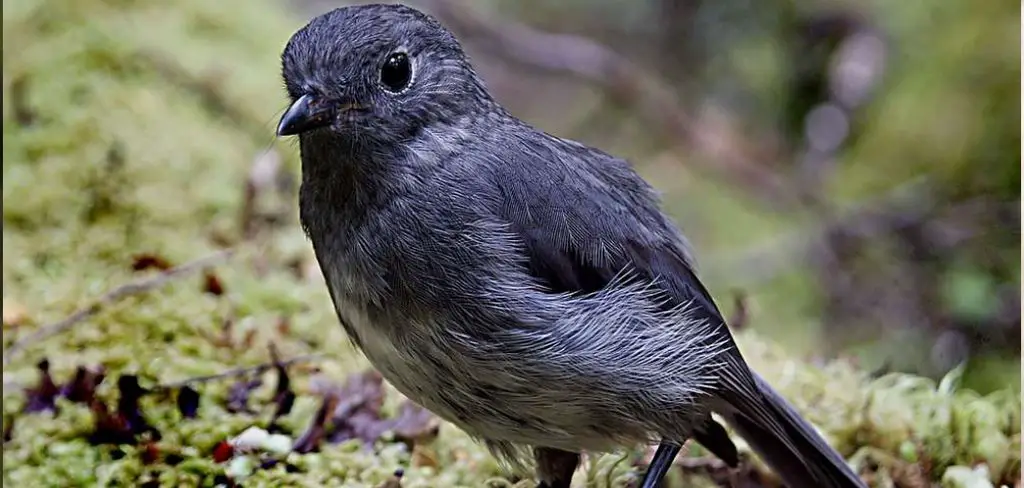
Mist drifts between the rhododendron trunks, thick enough to blur the trail a few yards ahead. Moss swallows every footstep. Then something small moves low in the undergrowth: a flash of blue, a hint of orange, and it’s gone before your eyes can settle on it.
Some birds want to be seen, but the bush robin teaches the quiet power of staying hidden, and that lesson sits at the center of the Bush Robins meaning, symbolism and totem. These shy forest dwellers carry gentle wisdom about privacy, reflection, and finding peace away from the noise.
I learned how shy they are on a trail in eastern Nepal. I waited nearly an hour beside a damp thicket, cold seeping through my jacket, before a single bird hopped into view for maybe four seconds. Strangely, it was one of the best four seconds of the whole trip.
That patience paid off in more ways than one. Understanding this totem may help you protect your inner world, recharge in solitude, and trust your own pace.
This guide covers the birds’ real traits, their core themes, and their cultural roots. You’ll also find a six-step totem practice, dream meanings, common mistakes, comparisons, and FAQs. Quiet souls, in particular, may find a kindred spirit here.
Meet the Bush Robins
“Bush robin” is a group name rather than a single species. This article focuses mainly on the Asian bush robins of the genus Tarsiger, with a respectful look at African birds that share the name.
Knowing how these birds actually live keeps the symbolism honest. So that’s the place to begin.
The Birds at a Glance
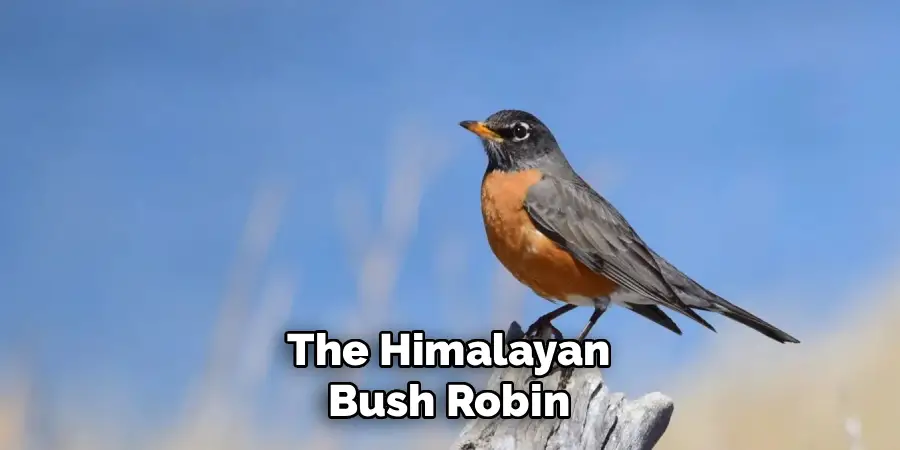
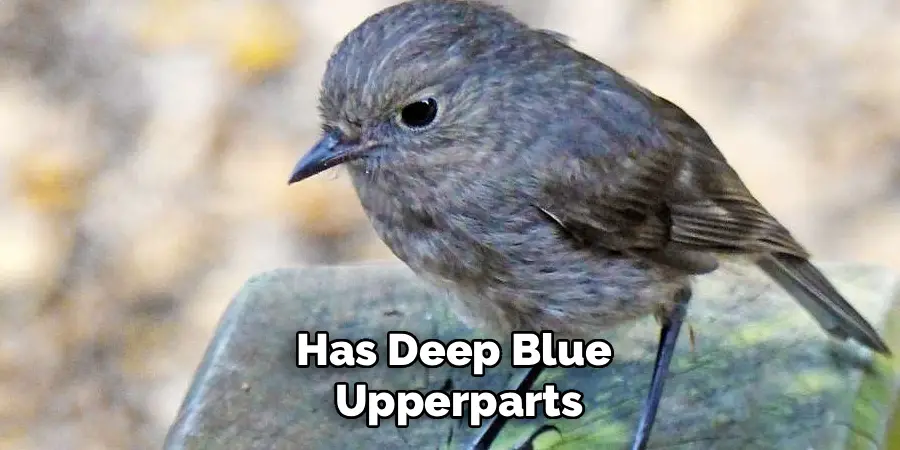
The Himalayan Bush Robin has deep blue upperparts and warm orange flanks. Its cousin, the Golden Bush Robin, glows yellow-orange in high mountain scrub. The White-browed Bush Robin carries a crisp pale stripe above each eye.
Taiwan has its own treasure, the Collared Bush Robin, found nowhere else on Earth. A close relative, the Red-flanked Bluetail, breeds in northern forests stretching from Finland across Siberia.
Africa adds a twist. The White-starred Robin is sometimes called a bush robin. Meanwhile, the Rufous-tailed Scrub Robin was once widely known as the Rufous Bush Robin, so older field guides can be confusing.
Behaviors That Shape Their Symbolism
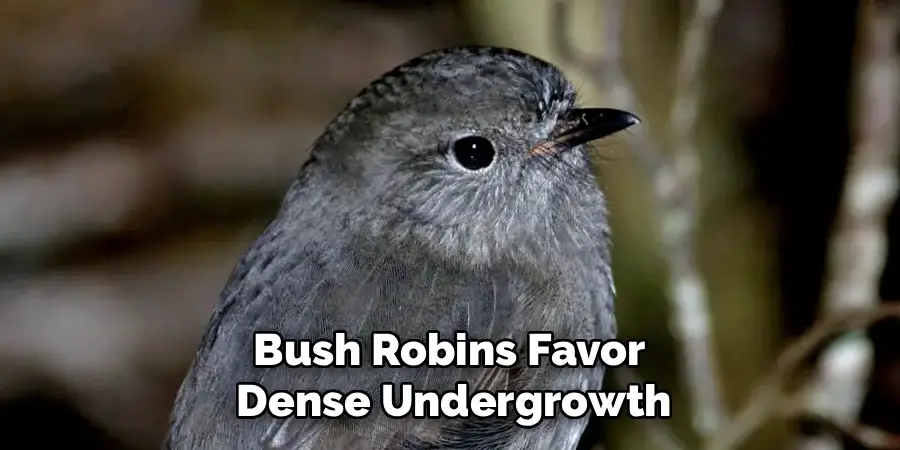
Bush robins favor dense undergrowth, forest edges, and shaded thickets. They forage quietly on or near the ground and rarely perch out in the open for long.
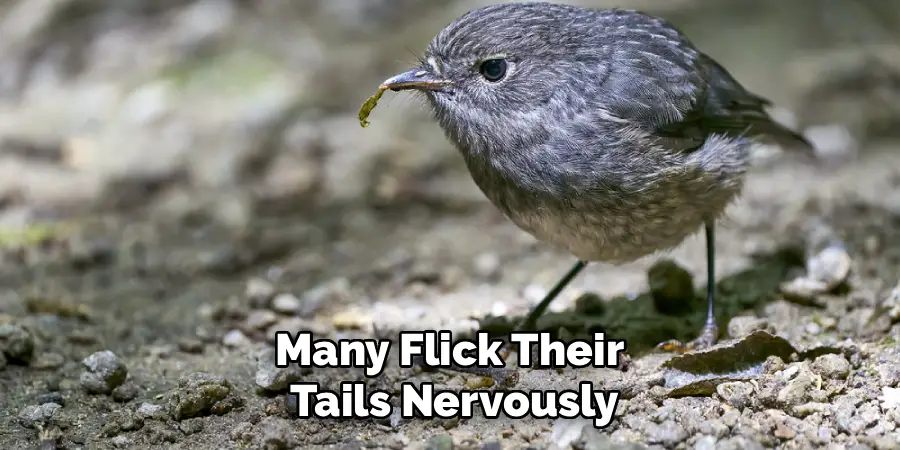
Many flick their tails nervously, ready to vanish. Several Himalayan species move uphill in summer and drop to lower valleys in winter, a pattern called altitudinal migration.
Their songs tend to be thin and soft, easy to lose under wind or running water. Privacy, reflection, and seasonal change all grow naturally from these habits.
Bush Robins Meaning, Symbolism and Totem: Core Themes
These birds’ meanings come from their secretive lives and soft voices. Their steady journeys between mountain heights and valleys add another layer.
Privacy and Sacred Solitude
A bird that thrives out of sight seems a natural emblem of healthy privacy. It may represent personal boundaries and the right to keep parts of life to yourself.
Solitude, in this light, looks less like loneliness and more like renewal. Not every dream or plan needs an audience to be real.
Inner Reflection and Quiet Wisdom
Soft song and patient foraging suggest a life spent listening. The bush robin could be read as a symbol of introspection.
The most useful answers often arrive in quiet moments, not loud ones. If you’re the thoughtful type in a world that rewards constant noise, this bird appears to say that your nature is a strength.
Adaptability and Seasonal Journeys
Rising to cool heights in summer and descending to shelter in winter carries an obvious lesson. There’s a time to reach for growth and a time to retreat and rest.
You might see it as permission to move with your own cycles. Flexibility, after all, is a kind of self-knowledge.
Spiritual Meaning of Bush Robins
Symbolism gets more personal when you ask what a bird might mean for you specifically.
The Bush Robin as a Spirit Animal
The bush robin often seems to appear when someone feels drained by social demands. Perhaps you’re overexposed online or pressured to share more than feels right.
Picture the bird resting in a mossy thicket, safe and unbothered. Retreat can restore energy, and as a guide, this bird honors your need for space without asking you to explain it.
The Bush Robin as a Power Animal
People may call on the bush robin when they need strength to set boundaries or protect their peace. Deep focus on meaningful work fits here too.
Its bright colors show only in brief glimpses. That detail may suggest sharing your gifts on your own terms. This energy could help during burnout recovery, while studying for a big goal, or when healing privately. Choosing quiet takes more courage than people assume.
Cultural Significance Across Africa, Asia, and the Himalayas
A note of caution first. Specific legends about bush robins are hard to verify, so it’s wise to separate documented tradition from modern spiritual interpretation.
Himalayan Forests and Mountain Spirituality
Himalayan bush robins live among rhododendron and conifer forests. Many local communities and Buddhist traditions regard these mountain landscapes as places of retreat and contemplation.
A bird that thrives in such quiet spaces fits those themes easily. It’s an interpretation, not an ancient doctrine, but a fair one.
Hidden Gems of Asian Forests
The Collared Bush Robin is a favorite among birdwatchers visiting Taiwan’s mountains. Across China and Southeast Asia, patient observers travel long distances hoping for a single sighting of various bush robins.
That rarity shapes the symbolism. These birds stand for hidden beauty and the reward of waiting.
Bush Robins of African Highlands and Scrublands
The White-starred Robin lives in montane forests of eastern and southern Africa. Small white spots near its throat and eye earn the “starred” name.
Scrub robins, by contrast, fan their tails across dry bush country. Africa holds countless distinct cultures, so any meanings here are best framed as modern interpretation rather than borrowed tradition.
How to Connect With the Bush Robin Totem: A Step-by-Step Guide
Connecting with a totem is personal and unhurried. There’s no perfect method, so treat these steps as a flexible path taken at your own pace.
Step 1: Recognize the Signs of the Bush Robin
Start by noticing. A strong pull toward forests or solitude, repeated images of small hidden birds, or dreams of dense thickets could all be signs.
Sometimes your circumstances are the message. A season that calls for rest and privacy may be the call itself. Keep a private journal for recording signs, which suits this bird’s discreet spirit.
Step 2: Create a Quiet Sanctuary
Set up a personal retreat, indoors or out. Soft light and natural textures like wood and moss help the mind settle.
Outdoors, dense native shrubs and leaf litter offer shelter that birds appreciate. Make the space phone-free, so it becomes a true refuge from notifications.
Step 3: Practice Patient Observation in Nature
Take slow walks in wooded areas, or sit near shrubs and forest edges. Bush robins reveal themselves only to patient observers, so the practice teaches stillness almost by accident.
Watch for small movements and listen for rustling leaves. Pick one spot and sit for 15 minutes without moving much, letting the forest return to normal around you.
Step 4: Reflect Through Private Journaling
Explore privacy, reflection, and seasonal change on paper. Try prompts like “What part of my life deserves more protection?” or “Am I in a season of growth or rest?”
Write by hand in a notebook nobody else reads. An unseen page tends to invite more honesty than a screen.
Step 5: Honor Your Need for Privacy Every Day
Insight only matters once it shapes your choices. You might schedule regular alone time or step away from social media for a few days.
Sharing news only with trusted people counts too, as does turning down commitments that drain you. Block one quiet hour on your calendar each week and protect it like a doctor’s appointment.
Step 6: Honor the Bush Robin and Keep the Bond Alive
Give something back. Support forest and mountain conservation groups, and protect native undergrowth in local green spaces.
Practice ethical birdwatching as well, which means never playing recorded calls to lure birds out. Return to this practice during burnout or transitions. This hidden bird is a reminder that peace often waits in the quietest places.
Dreams and Symbolic Encounters With Bush Robins
Sometimes a bush robin appears uninvited, in sleep or in waking life. Your feelings in the moment may matter as much as any general meaning.
What It Means to Dream of a Bush Robin
A bush robin hiding in leaves might point to a need for privacy or rest. One stepping into the open could suggest you’re ready to share something meaningful.
A bird singing softly may hint at listening more closely to intuition. Notice your emotions on waking, since they’re often the clearest clue.
Spotting a Bush Robin in the Wild
Finally glimpsing such a secretive bird brings a quiet thrill. Many people read it as a sign that patience is paying off.
Pause afterward and reflect on what was on your mind. Treat the moment as a small personal gift.
The Meaning of Its Hidden Colors and Soft Song
Bright flanks seen only in glimpses could represent inner gifts revealed at the right time. The soft song suggests gentle communication.
That flicking tail adds alertness. It hints at quiet readiness for whatever comes next.
Common Mistakes When Interpreting Bush Robin Symbolism
A few misunderstandings come up often. Each has an easy fix.
Treating All Bush Robins as One Bird
The name covers several species across Asia and Africa, each with its own habitat and habits. Lumping them together blurs their meaning.
Identify the specific bird first. Note its colors, location, and behavior before reading anything into the encounter.
Mistaking Privacy for Isolation
The bush robin’s shyness supports survival and balance, not loneliness. Healthy solitude recharges you.
It shouldn’t cut you off from the people who matter, though. Keep those relationships close.
Inventing Cultural Legends
It’s tempting to claim ancient myths about bush robins. Resist that, honor real cultural context, and label personal or modern interpretations clearly.
How Bush Robins Compare With Other Robin Totems
Comparisons sharpen what makes this bird distinct. They also link back to earlier articles in the series.
Bush Robins vs. Magpie-Robin
The magpie-robin sings boldly from rooftops and champions self-expression. The bush robin keeps to the shadows. One teaches speaking up, while the other teaches listening inward.
Bush Robins vs. Indian Robin
The Indian Robin struts confidently near homes, tail raised. The bush robin retreats into forest cover. Both offer strength, one through visible pride and the other through private calm.
Bush Robins vs. European Robin
The European Robin sits close to gardeners and sings of winter hope. The bush robin prefers distance. You may need each energy in different seasons of life, and that’s perfectly normal.
Frequently Asked Questions
What Do Bush Robins Symbolize?
They generally symbolize privacy, inner reflection, and quiet wisdom. Their seasonal mountain journeys also link them to adaptability and moving with life’s natural cycles.
What Does It Mean if the Bush Robin Is My Spirit Animal?
It may suggest a thoughtful, introspective nature with a deep need for personal space. It could also signal a time to rest and protect your energy.
Is Seeing a Bush Robin a Good Sign?
Many people view it as a positive sign of patience rewarded, hidden blessings, and inner peace.
Where Do Bush Robins Live?
Most live in forests and thickets across Asia, especially the Himalayas. Related birds sharing the name live in Africa.
Conclusion
These shy forest birds offer lessons in privacy and the wisdom of reflection. They also model grace in moving with life’s seasons, and those lessons grow through patience and daily practice.
Exploring the Bush Robins meaning, symbolism and totem reminds us that some of life’s greatest treasures stay hidden until we slow down enough to notice them. Picture one resting in a misty mountain thicket, safe and fully at peace.
Try Step 1 today by noticing where your life is asking for quiet. When you’re ready, continue the series with the Scarlet Robin, a bird whose bold, fiery energy makes a striking contrast.
Quiet strength is still strength. Sometimes it’s the kind that lasts longest.
