

Frost coats the garden, and the whole world seems to hold its breath. Then a small bird with a glowing orange breast lands on the fence post and starts to sing as if winter were a minor inconvenience.
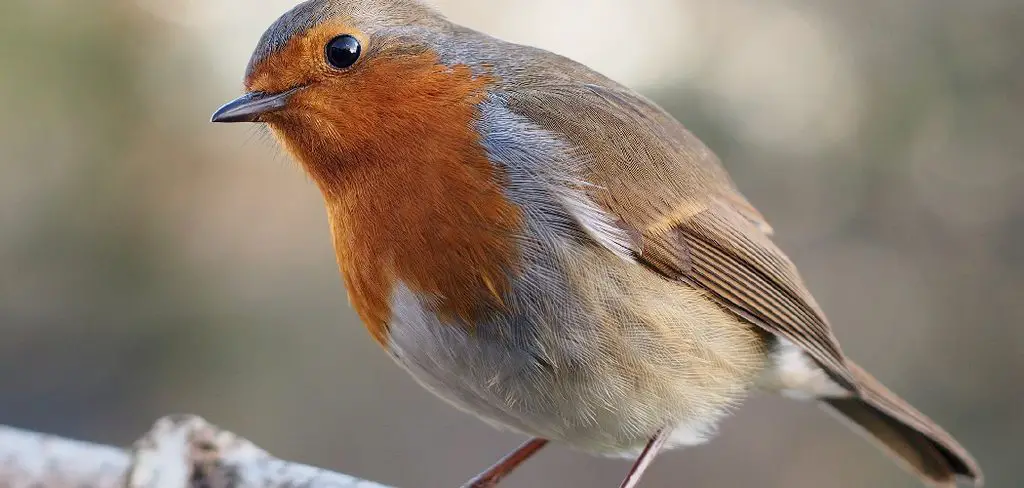
Few garden visitors carry as much warmth as the European Robin meaning, symbolism and totem. This bright little bird has inspired legends, holiday cards, and quiet moments of comfort for centuries.
I noticed this firsthand on a gray morning while turning over a vegetable bed. A robin hopped closer with every shovelful, head cocked, waiting for worms. Its company was oddly moving, like a neighbor who shows up without being asked.
The robin’s message may help you welcome new beginnings and find hope in hard seasons. It can also help you feel connected to the people you love, including those no longer here.
This guide covers the bird’s real habits, its core symbolism, its folklore, and a six-step totem practice. You’ll also find expert tips, common mistakes, real-world examples, alternative approaches, and FAQs.
Meet the European Robin
Most people know the robin from greeting cards. Its real life is more interesting, and nearly every symbolic meaning traces back to it.
The Bird at a Glance
The European Robin (Erithacus rubecula) is a round little bird with an olive-brown back and that famous orange-red face and breast. The color earned it the old English name “redbreast.”
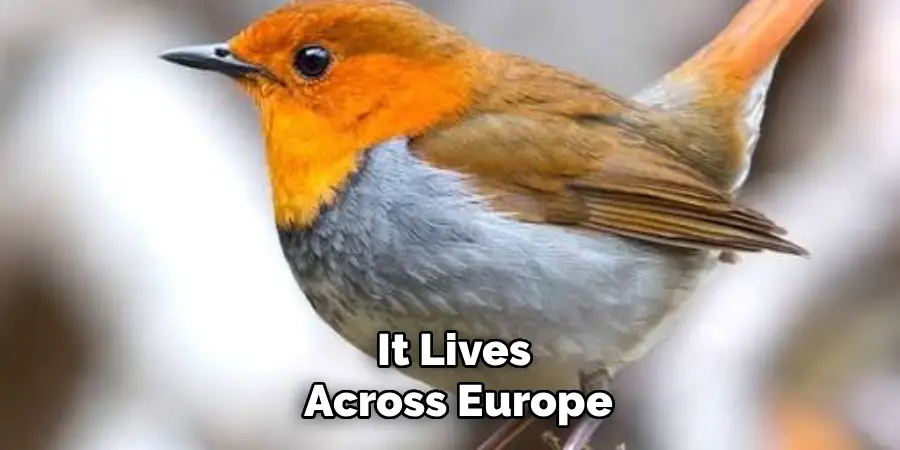
It lives across Europe, parts of western Asia, and North Africa. Despite the shared name, it isn’t closely related to the American Robin, which is a thrush. The European bird belongs to the Old World flycatcher family.
In Britain, it often tops public polls for favorite bird. It won an informal vote for national bird in 2015, though the title has no official standing.
Behaviors That Shape Its Symbolism
Robins sing nearly all year, winter included. Unusually, females sing too while holding their own winter territories, and some robins sing at night near streetlights.
They’re also fiercely territorial. That sweet face hides a bird willing to fight rivals, sometimes to the death.
Then there’s the boldness around people. Robins likely evolved to follow wild boar and deer that churned up soil, and gardeners have simply taken their place. Hope, courage, and companionship all grow from these habits.
European Robin Meaning, Symbolism and Totem: Core Themes
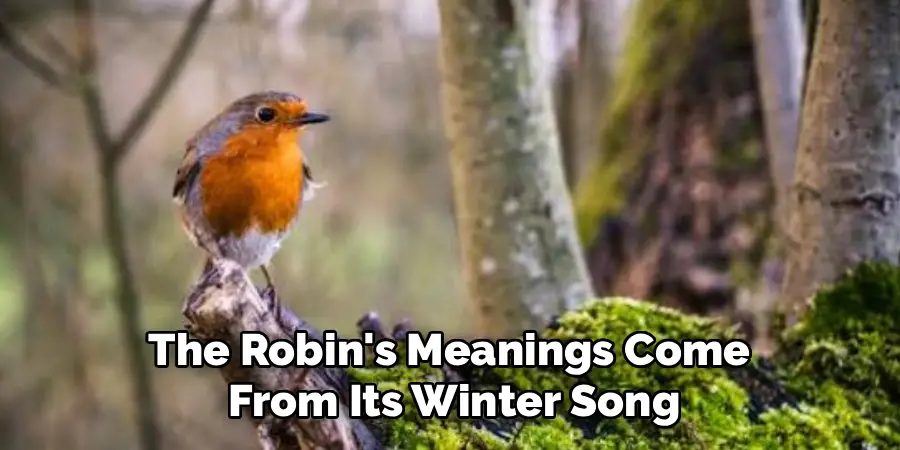
The robin’s meanings come from its winter song, its fiery breast, and its fearless closeness to us. None of it requires much stretching.
Hope and Renewal
A bird that sings through the darkest months seems a natural emblem of hope. Its song may suggest that brighter days are coming, even when nothing outside agrees.
For many people, this connects to healing after loss. It’s a reminder that beginning again is possible, and that joy can exist inside a hard season rather than only after it.
Courage and Protecting What Matters
The robin’s territorial streak is easy to overlook. Yet it may be the bird’s most practical lesson.
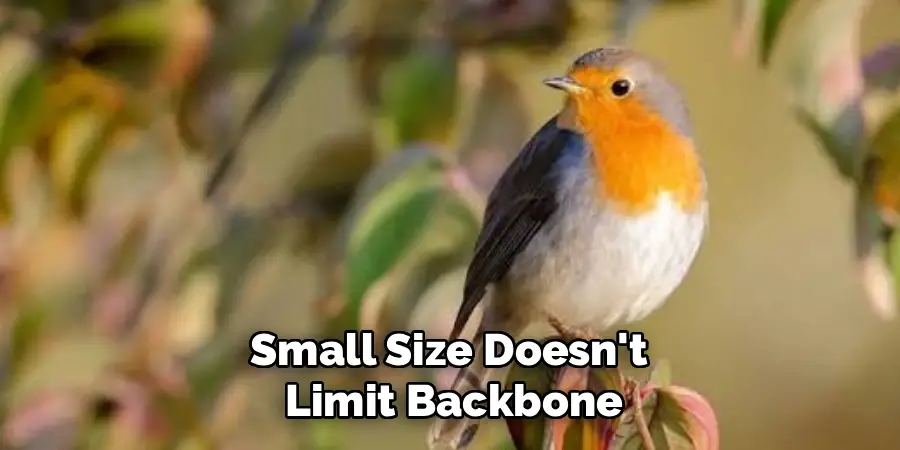
Small size doesn’t limit backbone. Protecting your peace, your values, and the people you love could be read as an act of self-respect rather than aggression.
Companionship and Divine Messages
The robin’s friendliness speaks to trust and comfort. Few wild birds will sit a few feet from you while you work.
A popular modern saying holds that “when robins appear, loved ones are near.” It’s a widely shared belief rather than an ancient doctrine, but it brings real comfort to many grieving people. That alone gives it weight.
Spiritual Meaning of the European Robin
Symbolism gets personal when you ask what the bird might mean for you specifically.
The Robin as a Spirit Animal
The robin often seems to arrive during transitions, grief, or a season of change. Its message appears to be simple: open your heart to the next chapter.
Picture its clear song cutting through cold morning air. One hopeful voice can shift the mood of an entire street, and this bird seems to know it.
The Robin as a Power Animal
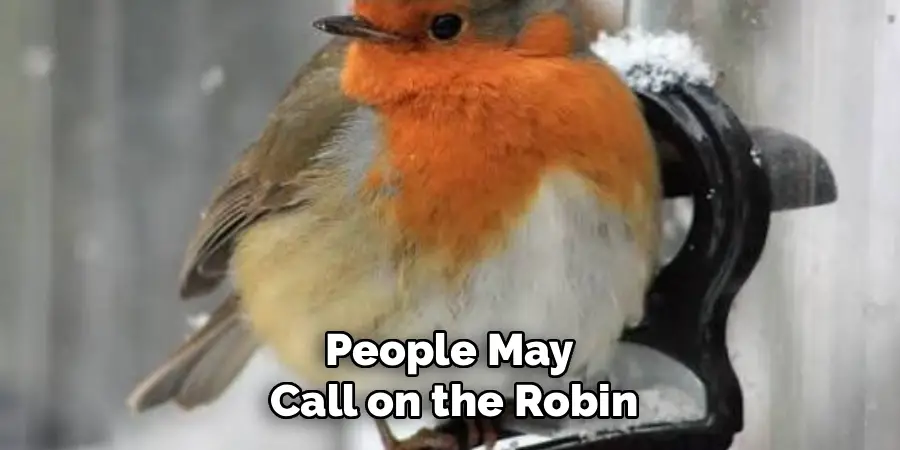
People may call on the robin when they need confidence to speak up or set boundaries. Its song represents self-expression, and its territorial spirit reflects inner courage.
That energy could help when starting a new job, recovering from loss, or standing up for family. Bright courage, it turns out, fits in a very small package.
Cultural Significance: Folklore, Celtic Traditions, and Christmas
A note of caution first. Robin lore is rich, but much of it is folklore, and some “ancient” claims online are fairly recent inventions.
Robins in European Folklore
Several Christian legends explain the red breast. In one, a robin pulled a thorn from Christ’s crown and was stained by a drop of blood. In another, a robin fanned a dying fire to keep the infant Jesus warm and scorched its chest.
The old English ballad of the “Babes in the Wood” describes robins covering lost children with leaves. British folk belief also held that harming a robin or its nest brought bad luck, which may explain why the bird was so rarely persecuted.
Celtic Traditions and the Turning Year
Across Britain and Ireland, the robin and the wren were often paired in seasonal lore. The wren hunt on St. Stephen’s Day, still practiced in parts of Ireland, is well documented.
Modern pagan writers later linked the robin with the new, waxing year and the wren with the old, waning year, sometimes tied to the Oak King and Holly King. These ideas owe a lot to twentieth-century authors like Robert Graves, so it’s fairer to call them modern interpretation than proven ancient Celtic belief.
The Robin as a Christmas Symbol
The robin’s holiday fame is better documented. Victorian postmen wore red coats and were nicknamed “robins,” and the birds soon appeared on Christmas cards as symbolic messengers.
That link has stuck. Today the robin still stands for warmth and festive cheer on cards, ornaments, and winter decorations across Europe.
How to Connect With the European Robin Totem: A Step-by-Step Guide
Connecting with a totem is personal and, ideally, joyful. There’s no perfect method, so treat these steps as a flexible path.
Step 1: Notice the Robin’s Signs and Timing
Start by paying attention. Frequent sightings, a robin landing unusually close, or its song at a meaningful moment could all be signs.
Timing often reveals the message. Write down each encounter along with what you were thinking or feeling right then, and patterns may surface within weeks.
Step 2: Invite Robins Into Your Garden or Space
Real closeness tends to deepen spiritual connection. Offer mealworms, suet, or seed on a low feeder or flat tray, since robins prefer feeding near the ground.
A shallow water dish helps, and so does leaving some leaf litter where insects thrive. Turn over a small patch of soil while gardening, and a robin may appear almost instantly.
Step 3: Reflect on the Robin’s Core Lessons
Journaling turns symbolism into something you can use. Try prompts like “What new beginning am I ready to welcome?” or “Where do I need firmer boundaries?”
Write at the same time each morning for a week, ideally with birdsong in the background. Repeated themes usually reveal themselves by day five.
Step 4: Meditate With the Robin’s Song
Sit outdoors at dawn, or play a recording of robin song. Picture the bird on a frosty branch, chest glowing, singing without fear.
Breathe slowly and let each note lighten your shoulders. Keep sessions to five minutes at first so the practice stays refreshing rather than becoming a chore.
Step 5: Live the Robin’s Message Every Day
Insight only matters once it shapes your choices. You might start a project you’ve postponed, or speak up kindly but clearly in a tough conversation.
Reaching out to someone lonely counts too. A small robin image on your desk or phone screen can serve as a cheerful daily reminder.
Step 6: Honor the Robin and Keep the Bond Alive
Give something back. Support local bird charities, plant native shrubs that offer berries and shelter, and skip pesticides that kill the insects robins eat.
Revisit this practice during winter, holidays, or grief. The robin’s song can become a lifelong reminder that hope keeps returning.
Expert Tips for Better Results
For a whole winter I assumed one robin was visiting my garden. A closer look at its markings and behavior revealed two rivals taking turns, which made the “messages” I’d been reading far more complicated.
Build Consistent Habits
Observe at the same time each day. Robins are most active at dawn and dusk, so short, regular sessions beat occasional long ones.
This week, try a two-minute morning check from the same window. Note what you see before your day gets noisy.
Learn From Others
Bird charities like the RSPB publish reliable guides on robin behavior. Local birding groups can also help you tell a robin’s song from similar species.
Folklore collections and history books add context that social media posts often skip. Better sources lead to better interpretation.
Use the Right Tools Wisely
A basic pair of binoculars and a bird song app cover most needs. Resist overloading yourself with symbolism dictionaries that contradict each other.
A simple notebook, honestly, may be the most useful tool of all.
Common Mistakes When Interpreting Robin Symbolism
A few misunderstandings come up again and again. Each has an easy fix.
Confusing the European and American Robin
These are different species with separate histories. Christmas folklore belongs largely to the European bird, while spring renewal symbolism in North America attaches to the American Robin.
Confirm which bird you saw before reading its message.
Treating Folklore as Fact
Legends carry meaning without being history. Enjoy the thorn and fire stories for what they express, but keep folklore, documented tradition, and modern practice clearly separate.
Ignoring the Robin’s Fierce Side
The robin isn’t only sweet. Its territorial courage holds a real lesson about boundaries, so embrace both its gentleness and its grit.
Real-World Examples in Action
Two common scenarios show how this plays out.
Example 1: Comfort After Loss
Imagine someone who lost a parent in autumn. Through the winter, a robin visits the bird table every morning while they drink coffee.
They begin journaling during those visits and gradually reconnect with friends. Whatever one believes about signs, the robin gave them a daily anchor during a hard season.
Example 2: Finding Courage at Work
Now picture someone who struggles to speak up in meetings. After reading about the robin’s territorial courage, they adopt one small goal: voice a single idea each week.
A robin sticker on their laptop serves as the reminder. Within a month, the habit feels natural.
Alternative Approaches Worth Considering
The step-by-step totem practice isn’t the only way to relate to this bird.
Tradition-Based vs. Personal Interpretation
Some people prefer leaning on folklore and Christian symbolism. Others trust their own feelings and treat each encounter as a private message.
Both have value. Tradition offers depth and shared meaning, while personal interpretation feels more immediate.
Comparing the Robin With Other Bird Totems
The Elegant Crested Tinamou teaches patience and stillness, while the robin encourages you to sing out and step forward. Robins elsewhere, like the Indian Robin, carry meanings shaped by their own habitats.
You may need different birds at different times. That’s part of the appeal of exploring the whole series.
Frequently Asked Questions
What Does the European Robin Symbolize?
It generally symbolizes hope, renewal, courage, and companionship. It’s also tied to Christmas and winter resilience.
What Does It Mean When a Robin Visits You?
Many people see it as comfort, a fresh start, or a sign from a departed loved one. Reflect on what was happening in your life at that moment.
Is the European Robin a Good Omen?
It’s widely seen as lucky. Old British folklore warned that harming one brought misfortune.
Why Are Robins Linked to Christmas?
The link likely comes from red-coated Victorian postmen nicknamed “robins,” along with the bird’s bright color and winter song.
Conclusion
This small bird offers hope through hardship and courage in protecting what matters. It also offers warmth in plain human connection.
Exploring the European Robin meaning, symbolism and totem reminds us that even the coldest season can hold a song of hope. Picture it singing on a frosty branch as morning light spreads across the garden.
Try Step 1 today by noting your next robin sighting. When you’re ready, continue the series with the Indian Robin.
New beginnings are closer than they look. Sometimes they’re perched on the fence.
