

The jagged Pacific coast of South America plays host to a truly remarkable avian resident. Here, the Guanay Cormorant gathers in staggering numbers, forming massive colonies that reshape the very landscape they occupy. Capturing the essence of this bird requires us to look beyond its simple biology and examine its profound spiritual footprint.
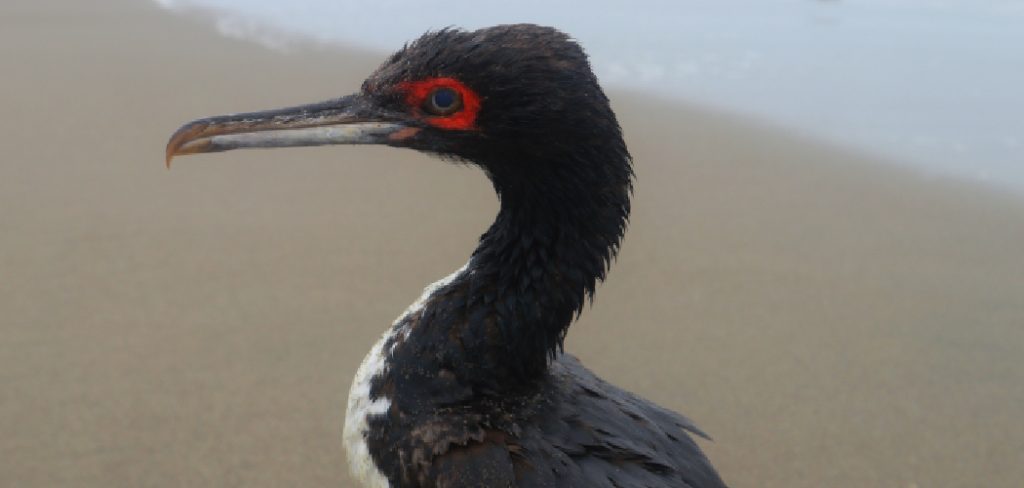
Exploring the Guanay Cormorant Meaning, Symbolism and Totem reveals a rich narrative centered on community, boundless provision, and emotional depth. Observers could interpret this creature as a living bridge between the harsh realities of the physical world and the flowing currents of our inner emotional lives.
We are often taught to view independence as the ultimate goal, yet this seabird thrives exclusively through collective effort. Its survival might suggest that true strength lies not in isolation, but in recognizing our place within a larger network. By examining its habits, we can uncover valuable lessons about leaning on others and extracting abundance from seemingly barren environments.
Physical Traits and Natural Behaviors
To truly grasp the spiritual weight of the bird, we must first examine its distinct physiology. It features a striking contrast of stark black plumage above and a brilliant white underbelly, accented by sharp facial features and a vivid red patch of bare skin around the eye. This high-contrast appearance might indicate a natural balance between opposing forces, such as the conscious mind and the hidden depths of the subconscious.
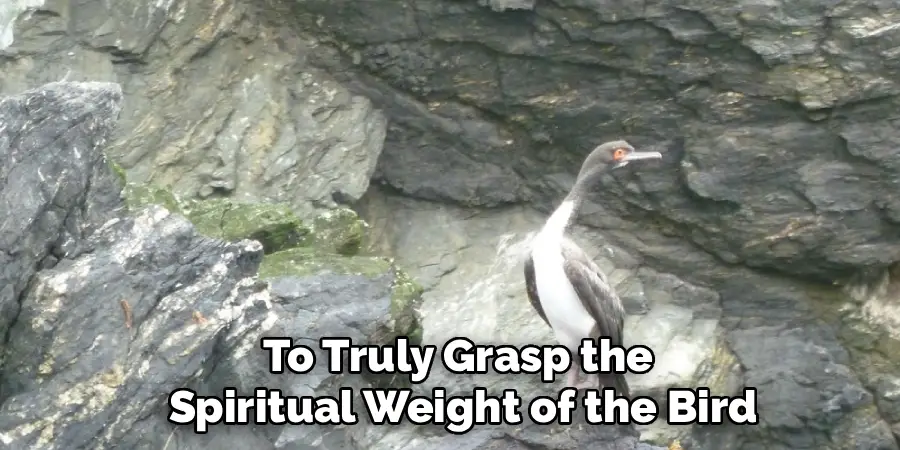
The bird hunts almost exclusively in the Humboldt Current, a notoriously cold but fiercely nutrient-rich body of water. Its anatomy allows it to plunge into these frigid depths with absolute precision. This supreme adaptability forms the baseline for its esoteric symbolism.
Physical traits rarely exist without deeper metaphorical implications. The creature’s sharp, hooked beak and sleek frame equip it perfectly for a rugged marine environment. We could view this biological specialization as a reminder to sharpen our own tools when navigating difficult emotional landscapes.
Masters of Coastal Waters
The diving capability of this coastal hunter is nothing short of exceptional. It plunges deep below the ocean’s surface, disappearing from view as it pursues its prey through the cold currents. This physical mastery of the depths translates seamlessly into a profound spiritual metaphor.
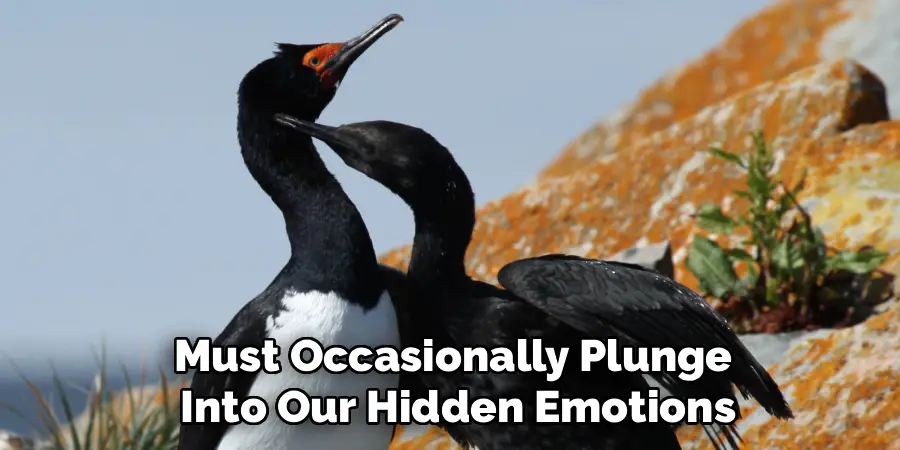
Diving into deep water often represents a willingness to explore the subconscious mind. The bird’s bold descent might suggest that we, too, must occasionally plunge into our hidden emotions to find necessary nourishment. It requires immense courage to explore the truths we usually keep buried beneath the surface.
Social Flocking and Community Ties
Unlike solitary hunters, this species prefers to live, breed, and hunt in colossal flocks that can number in the millions. The sheer scale of these colonies staggers the imagination and dominates the coastal ecosystem. Such intense social behavior naturally highlights the spiritual importance of community support.
Living in massive numbers provides the flock with collective warmth, shared vigilance, and mutual protection against predators. This behavior could indicate that human beings also require strong social networks to truly thrive. We find our greatest security and most profound joy when we operate cooperatively within a supportive group.
Cultural Significance and Historical Impact
The historical footprint of this seabird along the coasts of Peru and Chile is uniquely massive. Coastal societies have spent centuries observing these immense flocks darken the sky above the ocean. To these early maritime cultures, the birds served as reliable omens of a healthy ocean and bountiful fish runs.
Their massive colonies effectively shaped the economic and agricultural development of entire nations. The sheer volume of life sustained by these birds earned them a deeply respected position in coastal traditions. They were viewed not merely as animals, but as vital providers.
Economic Importance and Provision
Historically, this bird served as the primary producer of guano, a highly concentrated and immensely valuable natural fertilizer. The accumulation of this resource across coastal islands transformed barren agricultural lands into wildly productive fields. This biological reality translates into powerful spiritual themes of fertility and abundance.
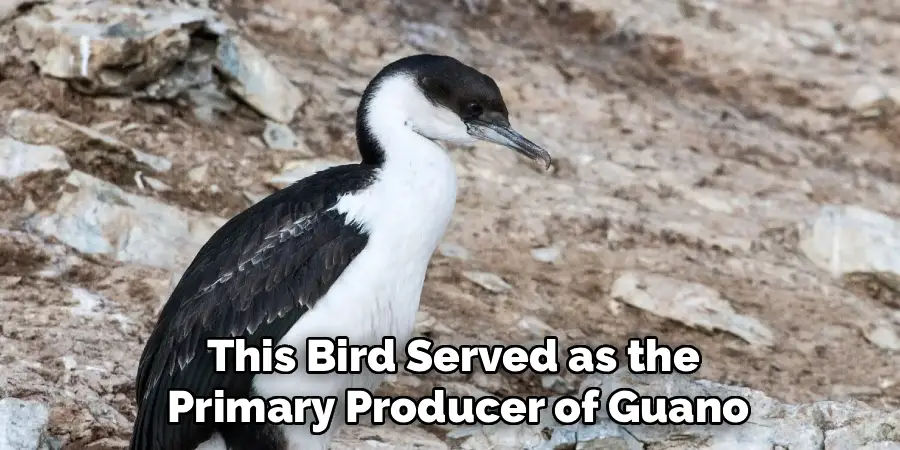
We might interpret this historical fact as a lesson in transforming everyday resources into something profoundly valuable. The bird takes what it consumes from the sea and leaves behind a substance that nurtures massive growth on land. It teaches us how to process our experiences into wisdom that benefits our entire community.
Indigenous Perspectives
Indigenous coastal peoples naturally integrated this prolific bird into their local lore and daily rituals. It frequently represented the sacred intersection of land and sea, acting as a messenger between the two realms. Native traditions often emphasized a deep respect for the ocean’s cycles, guided by the movements of the flocks.
These early observers recognized that human sustenance was intimately tied to the bird’s well-being. Consequently, the creature became a symbol of survival and mutual dependence. It served as a feathery reminder that humanity relies heavily on the health of the broader natural world.
Unpacking the Guanay Cormorant Meaning, Symbolism and Totem
When we dedicate time to breaking down the core spiritual interpretations of this animal, we uncover a framework built on opportunistic wisdom. Unpacking the Guanay Cormorant Meaning, Symbolism and Totem requires us to blend its natural behaviors with our own pursuit of emotional growth. This totem heavily emphasizes the value of utilizing the resources currently available to us.
The esoteric lessons we learn from this creature focus on emotional bravery and the strength found in numbers. It challenges the assumption that we must face life’s turbulent waters completely alone. Instead, it invites us to trust our instincts and rely on the collective energy of our chosen community.
Resourcefulness and Opportunistic Wisdom
The bird capitalizes entirely on the rich upwellings of the Humboldt Current, positioning itself exactly where the nutrients flow. We could frame this behavior as a spiritual lesson in recognizing and acting upon fleeting opportunities. It requires a sharp awareness of your environment to know when and where to strike.
This totem encourages individuals to stay exceptionally alert to the resources flowing through their own lives. We often miss valuable chances for growth because we are looking in the wrong direction. The bird reminds us to place ourselves in the current of abundance and act decisively.
Emotional Navigation
Water traditionally represents the chaotic, ever-shifting realm of human emotions. The bird’s aquatic lifestyle inextricably links it to the process of navigating these turbulent states with grace. It does not fear the cold, dark depths; rather, it uses them to secure its survival.
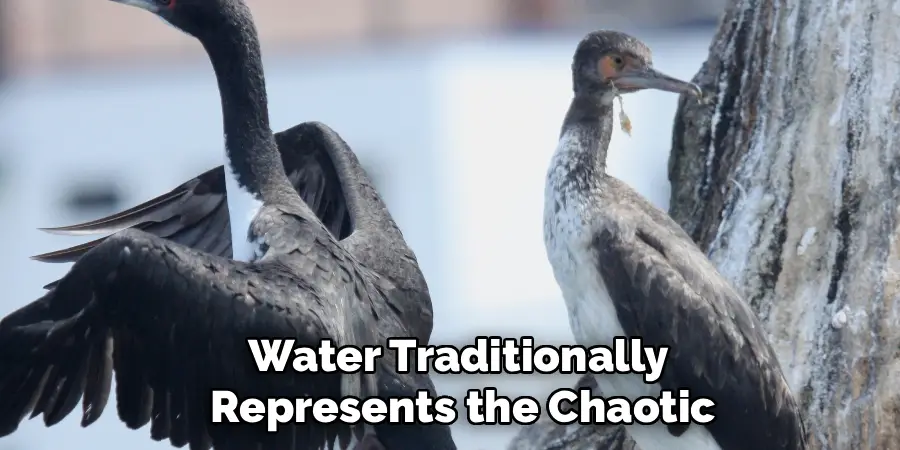
This totem helps individuals swim confidently through difficult feelings without drowning in despair. It might indicate that we have the inner strength to confront our emotional turbulence head-on. By moving fluidly through our fears, we return to the surface stronger and deeply nourished.
Step-by-Step Guide to Connecting with Your Totem
Aligning with the energy of this specific animal spirit requires deliberate, consistent practice. We cannot passively absorb the lessons of such an active, communal creature. Connecting with this totem demands a focus on emotional bravery, mindful resourcefulness, and intentional community building.
The following steps provide actionable ways to emulate the bird’s natural behaviors in your everyday life. Approach these practices with an open mind and a willingness to explore your own depths.
Step 1: Dive Deep into Self-Reflection
Begin your spiritual connection by practicing deep meditation or structured journaling. You must emulate the bird’s diving behavior by intentionally exploring your hidden emotions and subconscious thoughts. This is not a comfortable process, but it is necessary for retrieving valuable personal insights.
Allow yourself to sink beneath the surface chatter of your daily anxieties. Confront the fears and desires you typically avoid acknowledging in the light of day. Bringing these hidden truths to the surface provides the emotional nourishment required for profound personal growth.
Step 2: Build Strong Community Bonds
Since this creature thrives exclusively in massive colonies, you must actively strengthen your own social networks. Isolation runs completely counter to the energy of this particular totem. You could try volunteering, joining local interest groups, or simply reconnecting with distant family members.
Building a protective and supportive community around yourself mirrors the safety of the flock. You do not have to carry your burdens entirely alone. Lean on the collective wisdom and shared warmth of those around you to weather difficult seasons.
Step 3: Practice Resourcefulness in Daily Life
Apply the bird’s opportunistic nature to your everyday challenges and personal projects. Begin by conducting a thorough audit of your personal resources, including your time, emotional energy, and finances. You might find that you are expending energy in areas that provide very little return.
Look for innovative ways to use these resources more efficiently for long-term growth. Just as the bird extracts life from the cold current, you must learn to extract value from less-than-ideal situations. Cultivate a mindset that views every challenge as a potential source of nourishment.
The Guanay Cormorant as a Spirit Animal
The Symbolism of Isolation and Community
The Guanay Cormorant as a spirit animal often emerges during times of profound isolation. Its presence signifies the delicate balance between solitude and the need for community. This totem may make itself known when someone has turned entirely inward, losing their connection to others. It serves as a gentle yet firm reminder that survival is rarely a solitary act—it is a collective endeavor.
Overcoming Emotional Stagnation
When this spirit animal appears, it may signal a prolonged period of emotional stagnation or a lack of connection to your deeper passions. The Guanay Cormorant brings courage and renewal, encouraging you to engage with your feelings and rediscover purpose. Guiding you to plunge back into the current of life, it offers a protective, sustaining energy to face transitional challenges. It assures that even in the most challenging circumstances, there is always the potential for growth and nourishment.
Conclusion
The vital lessons provided by this remarkable seabird center on community strength, emotional courage, and abundant provision. We learn that exploring our subconscious depths is necessary for survival, but returning to the warmth of the flock is equally important. The bird models a perfect balance between individual bravery and collective reliance.
By observing its historical impact, we understand that our actions can leave behind resources that nurture growth long after we have moved on. You can apply these natural wisdoms to create a more resourceful, emotionally aware, and deeply connected life. Embracing the Guanay Cormorant Meaning, Symbolism and Totem ultimately empowers you to dive fearlessly into the current, trusting that you possess the strength to navigate whatever lies beneath the surface.
