

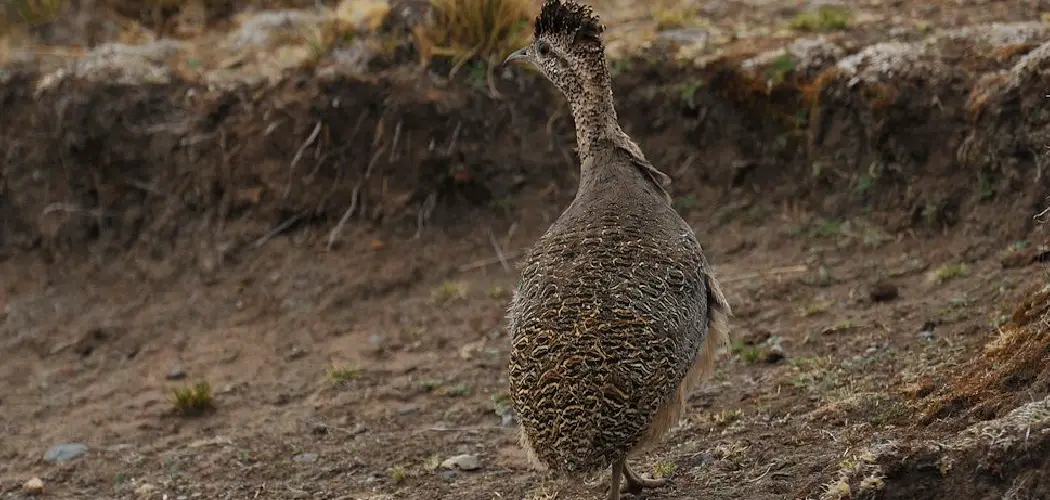
High in the thin light of the Andes, an Ornate Tinamou picks its way through the tussock grass. Its finely marked feathers glow with a warmth the mountains rarely offer. Then it steps out of view, and the slope swallows it again.
You might notice the pattern before you notice the bird. That fine detail is part of its appeal. The Ornate Tinamou meaning, symbolism and totem tend to reach people who carry beauty quietly, close to the ground, without ever making a show of it.
This highland bird has gathered a curious weight of symbolism over time. It stands, in different ways, for natural beauty and quiet boldness. It suggests a deep connection to the earth, too, and a resilience that bends without breaking.
What follows walks through the traits people link to the bird. We’ll look at its role as a totem and spirit guide, what it may mean when it appears in your dreams, and how you might connect with its energy. Treat it as an invitation rather than a rulebook.
Getting to Know the Ornate Tinamou
Symbolism grows out of a real creature, so it helps to start with the bird itself. This one spends its days on rugged high ground, moving with purpose across terrain that would leave most animals breathless.
The Ornate Tinamou keeps close to the earth. It walks far more than it flies, and its whole manner appears built around steadiness rather than escape. That rootedness sits underneath nearly everything it has come to represent.
Appearance and Natural Habitat
Picture a rounded, partridge-like body, plump and unhurried. The feathers run in intricate speckles and bars, warm earthy tones layered into patterns that are lovely and easy to overlook at the same time. Beauty that hides in plain sight, in other words.
It favors the high grasslands, puna, and rocky slopes of the Andes. There it forages on the ground for seeds and small prey, taking wing only when it truly must.
Those markings are not just decoration. They double as camouflage in exposed, high-altitude country. And that mix of beauty and function may explain why its symbolism leans toward authentic, unassuming grace.
A Bold Yet Grounded Nature
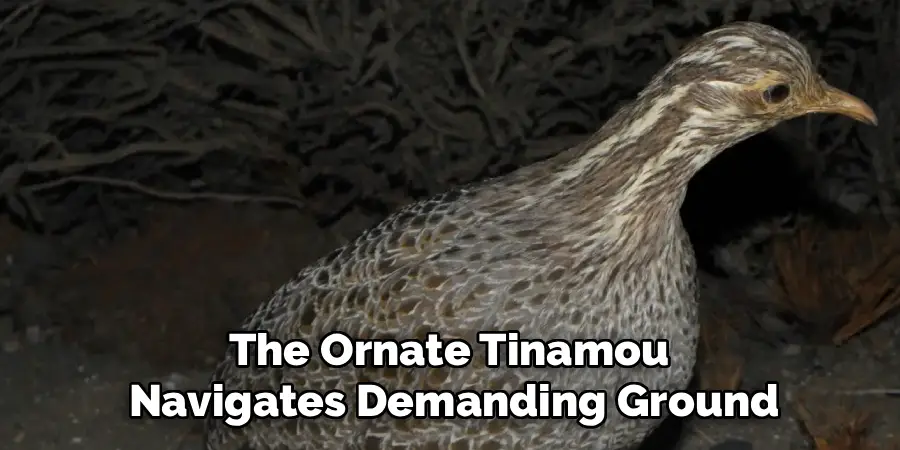
The Ornate Tinamou navigates demanding ground with a steadiness that reads almost like confidence. It holds its footing on steep, rocky slopes and moves through harsh terrain as though the difficulty were nothing unusual.
Its soft, resonant call carries across the open highlands even while the bird stays tucked among the grasses. You hear it long before you’d ever see it.
There’s something worth sitting with in that combination. Boldness paired with humility, presence without noise. It hints at why the bird came to symbolize standing strong while staying quietly grounded.
Core Symbolic Traits of the Ornate Tinamou
So what does the bird actually stand for? A few themes come up again and again, and they tend to overlap rather than sit in separate boxes.
Natural beauty anchors much of it. Quiet boldness gives it a distinct edge. And running beneath both, there’s an earth connection that steadies the whole picture.
Natural Beauty and Authenticity
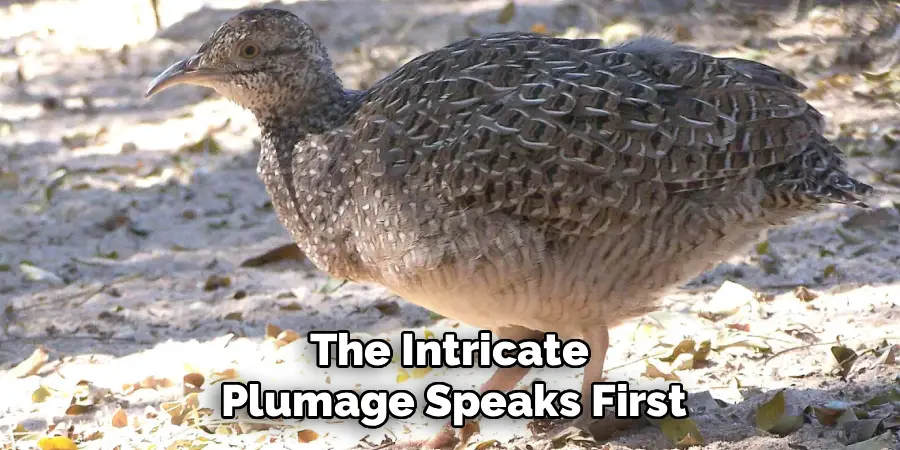
The intricate plumage speaks first. It’s genuinely beautiful, yet nothing about it strains for attention. That may suggest a lesson about authenticity — that real elegance rarely needs to shout.
The bird could encourage you to honor your own beauty as it actually is. To appreciate the small, fine details that make you distinct. True grace, in the tinamou’s world, tends to reveal itself slowly rather than demand applause from the room.
Boldness and Quiet Confidence
Then there’s the way it holds harsh terrain. The Ornate Tinamou faces punishing ground and simply keeps its footing, a steadiness that reads as quiet courage.
You can be bold without being loud. The bird seems to model a confidence that needs no proof, trusting its own footing on difficult ground. That kind of assurance often outlasts the showier sort.
Earth Connection and Adaptability
High Andean country is not forgiving. It’s cold, thin, and demanding, yet this bird thrives there anyway. That endurance points toward a deep tie to the land.
The tinamou draws its strength from the earth and adjusts to whatever the slope hands it. For someone weathering their own steep season, this may offer a reminder that staying grounded and flexible often carries you further than force.
Ornate Tinamou Meaning: Cultural and Spiritual Meanings
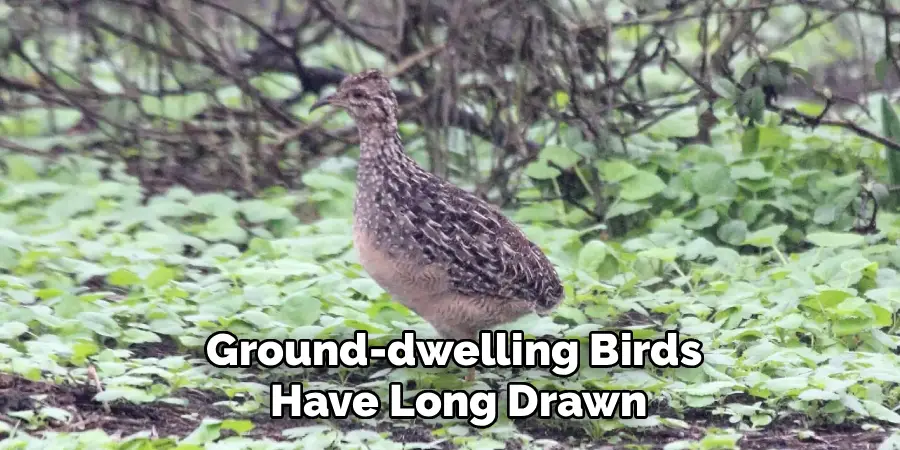
Ground-dwelling birds have long drawn human attention, and the Ornate Tinamou fits a wide pattern. Across many cultures, birds that live close to the soil gather meanings tied to home, humility, and belonging.
These threads don’t all point in the same direction. Still, they circle familiar ground in ways worth noticing.
Symbolism in Indigenous and Folk Traditions
Throughout the Andes and beyond, ground birds have appeared in Indigenous and folk stories for a very long time. Often they connect to the earth itself, to fertility, and to the slow, enduring rhythms of the land.
The Ornate Tinamou, with its highland home and beautifully marked feathers, settles easily into tales of nourishment and humility. It reads as a creature of respect for nature rather than mastery over it.
A word of care belongs here, though. These traditions are diverse and specific, each rooted in particular peoples with their own histories. Flattening them into one tidy meaning would do them a disservice, so take what follows as general resonance, not a claim on any single culture’s beliefs.
Spiritual Themes of Earth and Presence
On a spiritual level, the bird’s grounded, high-altitude life ties it to stillness and presence. It doesn’t rush anywhere. It stays low, stays close, stays sure.
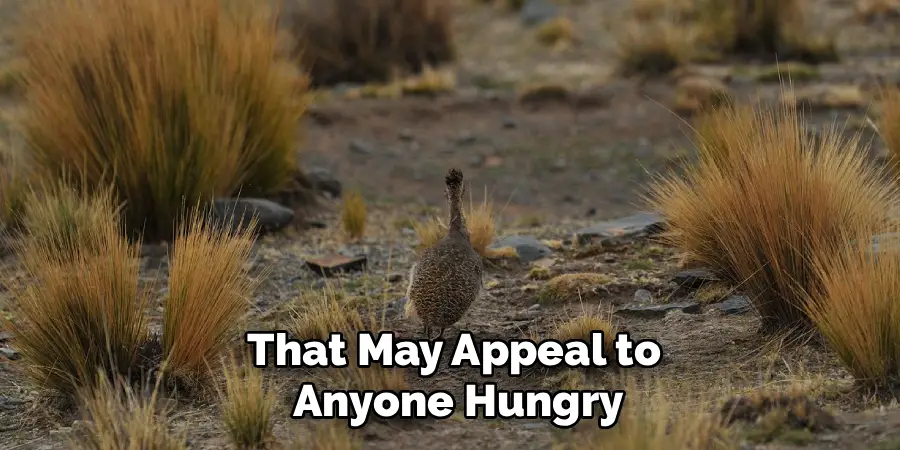
That may appeal to anyone hungry for a calmer, more centered way of moving through the day. The tinamou seems to offer the same quiet instruction — slow down, stay present, find something steady in the plain and demanding.
Read this way, the bird works as a gentle guide toward quiet confidence. Especially useful when the world grows noisy and won’t settle on its own.
The Ornate Tinamou as a Totem and Spirit Guide
For some people, this bird becomes something more personal. A totem, a spirit guide, a recurring presence that appears to carry a message meant just for them.
Who tends to feel that pull? And what does the tinamou offer once it arrives? Both questions deserve attention before we reach the practical steps.
Signs the Ornate Tinamou Is Your Totem
People drawn to this totem often share a certain temperament. A quietly confident nature. An eye for beauty in small details. Resilience that surfaces through hardship, along with a genuine love of the natural world.
You might notice the bird cropping up more than seems random — in nature, in art, in a passing image, in dreams. That repetition may suggest a connection worth following.
Pay attention to how the bird makes you feel when it appears. That reaction often reveals more than any checklist of traits could.
Gifts and Lessons of This Spirit Animal
The lessons here arrive gently. Honoring your authentic beauty instead of hiding it. Facing challenges with quiet boldness. Staying grounded in your values, and adapting with grace when the terrain shifts.
Welcoming these lessons could bring more confidence and stability into ordinary life. Think of them as invitations, not demands — offered freely, taken up whenever you feel ready. The steps below give you a place to begin.
How to Connect With the Ornate Tinamou Totem: Step-by-Step Guide
Here understanding turns into practice. The sequence below is meant to unfold slowly, something you can work through at whatever pace feels natural.
None of it needs to be rushed or forced. Keep what helps, and set the rest aside.
Step 1: Observe the Bird and Its Symbolism
Begin by learning the bird itself. Watch it in person if you’re fortunate enough, or through videos and photographs if not.
Notice how it walks, how it forages, how it holds its ground across rugged terrain. Then ask which of those qualities feels closest to what your own life needs right now.
Step 2: Reflect on the Qualities You Need
Sit with the traits that stood out. Perhaps it’s authentic beauty. Maybe quiet boldness, or a more grounded kind of confidence.
Journaling can help draw this out, or just honest thinking on a slow afternoon. The point is to get clear on what guidance you’re actually seeking from this spirit animal in your current season.
Step 3: Create a Quiet Space for Meditation
Find a calm spot where you won’t be interrupted. Outdoors on the bare earth works well, though an image of the bird nearby serves just as nicely.
That stillness mirrors the tinamou’s own grounded nature. In a sense, it opens a door toward a deeper, more deliberate connection.
Step 4: Invite the Totem Through Intention
Set a gentle intention, or speak a simple affirmation aloud. Invite the Ornate Tinamou’s energy and its lessons into your life.
Then stay open. Connection with a totem rarely arrives all at once — it tends to slip in quietly, much like the bird, when you’re patient enough to wait for it.
Step 5: Carry the Lessons Into Daily Life
The real work happens away from the meditation cushion. Weave the tinamou’s qualities into small, everyday choices. Honor your authentic self. Face hard things with quiet boldness. Stay grounded when the ground gets steep.
Living the lessons is what keeps the connection breathing. That’s how symbolism grows into something more than an idea and becomes lasting change.
Ornate Tinamou Symbolism in Dreams
Dreams layer on another dimension. When this bird appears while you sleep, it may point toward something your waking mind hasn’t quite put into words.
Dream meaning stays deeply personal, though. What follows are common readings rather than fixed verdicts, so measure them against your own circumstances.
Common Dream Scenarios and Their Meanings
A tinamou stepping boldly across open ground could suggest a nudge toward embracing your authentic self, or standing a little taller in who you are. If the bird rests quietly among the grasses, that might reflect a call to stay grounded through a season of change.
A soft call in the distance carries its own note. It may hint at an invitation to face a challenge with quiet courage. None of these readings are rigid, so let the version that fits your life rise to the surface.
Reflecting on Your Personal Dream Messages
Try writing the dream down soon after waking. Note the emotions especially, not only the details — the feeling tone often holds the real message.
Your personal context shapes all of it. Trust your own intuition as you work out what the bird seems to be telling you. These images serve best as prompts for reflection, not predictions set in stone.
Embracing the Community Spirit of the Ornate Tinamou
For all its independent habits, the tinamou isn’t a loner in every respect. Its family bonds run deep, and that quieter cooperative side draws the article’s themes together.
Connection matters to this bird. Gentle support and belonging have their place right alongside all that self-reliance.
Lessons in Devotion and Nurturing
The parenting habits stand out. Among tinamous, males often guard and tend the nest, a role that speaks of tenderness and steady responsibility.
That devotion could inspire something in our own relationships. Care built on presence rather than performance. The kind of dependable bond that shows up quietly and simply stays, whether with a partner, family, or a close friend.
Finding Strength in Belonging
Here’s the balance worth admiring. The Ornate Tinamou holds onto its independent, ground-dwelling ways while keeping firm ties to its mate and young.
You might honor your own need for space and self-reliance, then, without severing the connections that matter. There’s real strength in feeling supported — and no contradiction in needing both independence and belonging at the same time.
Frequently Asked Questions About the Ornate Tinamou
A few questions surface often. Short, plain answers below.
Quick Answers to Common Concerns
What does the Ornate Tinamou symbolize? Mostly natural beauty, quiet boldness, earth connection, and resilient adaptability — the strengths of a bird that carries elegance close to the ground.
Why is it tied to beauty and boldness? Largely because of its finely patterned feathers and the steady way it holds harsh terrain. Wondering if it’s your spirit animal? Notice whether the bird keeps appearing, and how its presence makes you feel when it does.
Myths About Tinamou Symbolism
One common mix-up assumes a ground-dwelling bird carries only timid or humble meaning. That reading sells it short, especially for a bird this striking.
Another myth insists that totem connections must arrive with drama and thunderclap certainty. They rarely do. The gifts of this tinamou are quiet and bold at once, and appreciating them asks for an open heart more than a dramatic sign.
Conclusion
We’ve covered a good stretch of ground here — fitting, for such an earthbound bird. The Ornate Tinamou meaning, symbolism and totem keeps circling back to a few steady ideas.
Honor your authentic beauty. Face what’s hard with grounded courage. Stay rooted in your values, and hold onto the bonds that keep you steady.
This striking highland bird doesn’t clamor for your notice. It simply offers a quieter, more confident way of being, and connecting with it as a totem or spirit guide may bring a little more steadiness and self-assurance into an ordinary day.
Carry these thoughts along with you. Stay open to the small messages the bird might send through nature, reflection, or a dream you nearly forgot by morning. And whenever the moment feels right, let the quiet strength of the Ornate Tinamou settle into your own life.

About
Jennifer Branett is a distinguished figure in the world of Garden design, with a decade of expertise creating innovative and sustainable indoor solutions. His professional focus lies in merging traditional craftsmanship with modern manufacturing techniques, fostering designs that are both practical and environmentally conscious. As the author of garden, Jennifer delves into the art and science of garden-fix, inspiring artisans and industry professionals alike.
Education RMIT University
(Melbourne, Australia) Associate Degree in Design (Jennifer Branett) Focus on sustainable design, industry-driven projects, and practical craftsmanship. Gained hands-on experience with traditional and digital manufacturing tools, such as CAD and CNC software.
Nottingham Trent University
(United Kingdom) Bachelor’s in Garden and Product Design (Honors) Specialized in product design with a focus on blending creativity with production techniques. Participated in industry projects, working with companies like John Lewis and Vitsoe to gain real-world insights.Publications and Impact
In indoor, Jennifer Branett his insights on Garden design processes, materials, and strategies for efficient production. His writing bridges the gap between artisan knowledge and modern industry needs, making it a must-read for both budding designers and seasoned professionals.