


The sky turns pink over a quiet neighborhood. Mango leaves still hold the night’s dew, and somewhere a kettle starts to rattle. Then, from the top of a rooftop antenna, a crisp black-and-white bird pours out a song so rich and rippling that the whole street seems to wake up at once.
Few birds greet the morning with as much heart as the one behind the Magpie-Robin meaning, symbolism and totem. This bold little singer fills gardens with music and carries a joyful message about finding your voice.
I first really heard one at a guesthouse in Sri Lanka’s hill country. I’d woken far too early, annoyed, planning to roll over. Instead I lay perfectly still for twenty minutes so I wouldn’t miss a single phrase of the song outside the window.
That morning stayed with me longer than most of the trip. Understanding this totem may help you express yourself more freely and greet each day with real optimism. It can also deepen your appreciation for where you come from.
This guide covers the bird’s real traits, its core themes, and its cultural roots. You’ll also find a six-step totem practice, dream meanings, common mistakes, comparisons, and FAQs. Wherever you are right now, the magpie-robin’s song likely has something to say to you.
Meet the Magpie-Robin
A quick clarification first. “Magpie-robin” can refer to a handful of related species, but this article focuses mainly on the Oriental Magpie-Robin, with a short nod to its relatives.
The symbolism makes far more sense once you know how the bird actually lives. So that’s where we’ll start.
The Bird at a Glance
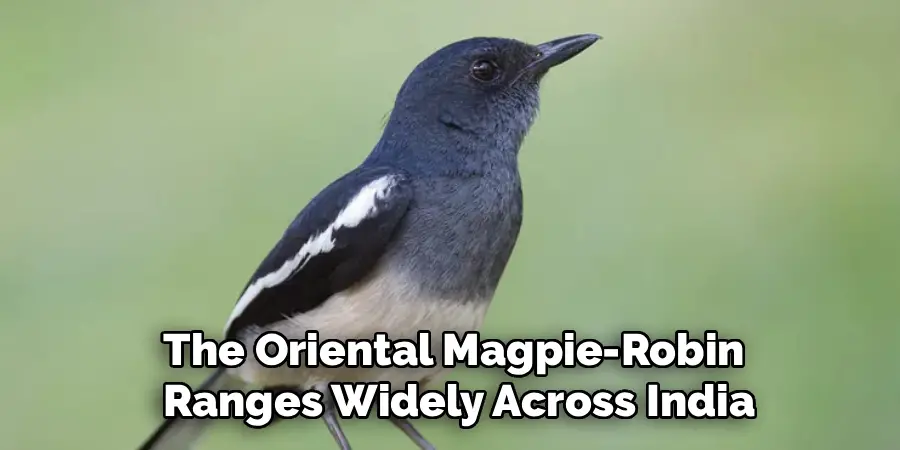
The Oriental Magpie-Robin (Copsychus saularis) ranges widely across India, Bangladesh, Sri Lanka, southern China, and much of Southeast Asia. It’s comfortable in gardens, parks, farmland, and village groves.
Males are striking. They have a glossy blue-black head and back, a snowy white belly, and a bold white stripe running along each wing.
Females wear softer slate-gray tones in place of the black. The name comes from those magpie-like colors, though the bird isn’t a magpie at all. Like the Indian Robin, it belongs to the Old World flycatcher family.
Behaviors That Shape Its Symbolism
Males sing from high, open perches. Dawn is their favorite stage, especially during breeding season, and some individuals weave imitations of other birds’ calls into their songs. It also differs from the Indian, European, and American Robins.
While singing or displaying, the bird often cocks its tail upright and fans it. It defends its territory with real nerve, yet it lives quite happily beside people.
Pairs nest in tree holes, wall cavities, and even old buildings. Expression, joy, courage, and a sense of belonging all grow out of these habits.
Magpie-Robin Meaning, Symbolism and Totem: Core Themes

This bird’s meanings come from three places. There’s the powerful song, the sharp contrast of its colors, and its confident life alongside humans.
Voice, Expression, and Creativity
A bird celebrated for its rich, varied song naturally points toward self-expression. It may stand for communication and creative gifts that deserve an audience.
Mimicry adds an interesting twist. Borrowing from other singers and blending those sounds into something personal could suggest a healthy way to learn: absorb your influences, then make the result unmistakably your own.
Joy, Optimism, and New Beginnings
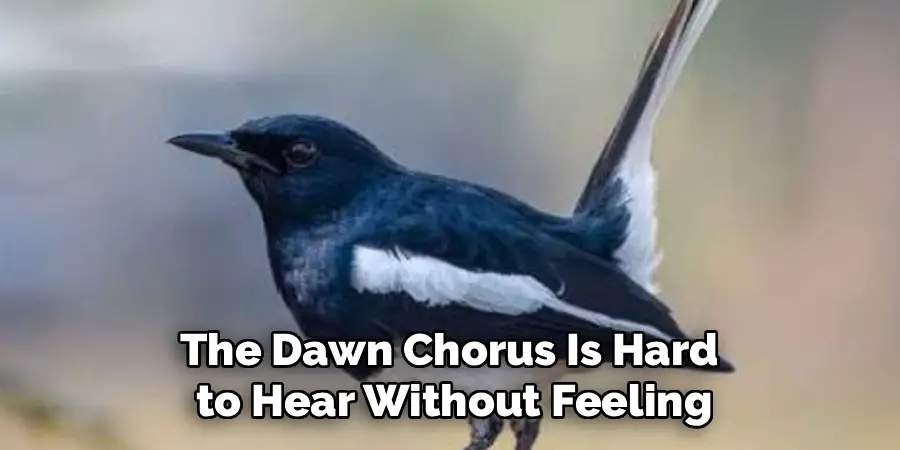
The dawn chorus is hard to hear without feeling a little lighter. It seems to represent hope, fresh starts, and gratitude for one more day.
There’s a practical lesson tucked in here. Small daily rituals of joy may shape your outlook more than occasional big celebrations, and a morning song can clear away yesterday’s worries before they settle in.
Balance and Bold Contrast
Black and white feathers, side by side, could symbolize a balance between opposites. Light and shadow. Rest and action. Solitude and community.

Pair that with the bird’s brave territorial streak and you get clarity of purpose. You might read it as permission to hold firm boundaries while staying warm, open, and connected.
Spiritual Meaning of the Magpie-Robin
Symbolism becomes more personal when you ask what a bird might mean for you specifically. That’s where the ideas of spirit and power animals come in.
The Magpie-Robin as a Spirit Animal
The magpie-robin often seems to appear when someone has been holding back. Maybe you’ve been swallowing opinions or quietly shelving a creative dream.
Picture it on a rooftop as the first light spreads, singing without a trace of hesitation. As a spirit animal, it appears to offer a simple reminder that your voice matters, even if you’ve let it go quiet for a while.
The Magpie-Robin as a Power Animal

People may call on the magpie-robin when they need confidence to speak, perform, teach, or lead. Its mimicry suggests learning from mentors while slowly building a personal style.
That energy could help before a presentation, at the launch of a creative project, or when you finally need to say something honest in a relationship. It takes courage to sing your own song. This bird makes it look easy.
Cultural Significance: Bangladesh, South Asia, and Beyond
A note of caution first. The magpie-robin’s range spans many distinct cultures, so it’s wise to avoid inventing myths and to verify any local names before using them.
The Doel, National Bird of Bangladesh
In Bengali, the Oriental Magpie-Robin is called the “doel” or “doyel,” and it’s the national bird of Bangladesh. It has appeared on Bangladeshi currency, and the Doel Chattar monument in Dhaka gives it a permanent public place.
For many Bangladeshis, the doel represents the countryside and everyday beauty. Its song in village courtyards connects people to home and heritage in a way that’s hard to explain to outsiders but easy to feel once you’ve heard it.
A Beloved Songbird Across Asia
Across South and Southeast Asia, the magpie-robin’s song has long been admired. It’s a familiar garden bird almost everywhere it lives.
That popularity has a darker side. Demand for caged songbirds has contributed to declines in some areas, particularly parts of Southeast Asia, which makes the bird a fitting symbol for protecting wild voices.
Then there’s the Seychelles Magpie-Robin, a related species. By the late twentieth century it had dwindled to a tiny population on a single island. Careful conservation work helped it recover to a few hundred birds across several islands, and it’s hard to imagine a better story about second chances.
How to Connect With the Magpie-Robin Totem: A Step-by-Step Guide
Connecting with a totem is personal and, ideally, joyful. There’s no perfect method here, so treat these steps as a flexible path rather than a checklist you must complete in order.
Step 1: Recognize the Signs of the Magpie-Robin
Start by noticing. Waking to its song several mornings in a row, hearing one close to home at a meaningful moment, or repeatedly spotting black-and-white bird imagery could all be signs.
Your situation may be the sign, too. A season that calls for speaking up can carry the message on its own. Note each encounter in your phone with the time and what you were feeling.
Step 2: Welcome Magpie-Robins to Your Space
Real closeness tends to deepen any spiritual connection. Plant native shrubs and trees, leave an open patch of lawn or soil where insects thrive, and set out a shallow dish of clean water.
Because magpie-robins nest in cavities, a nest box can help. Choose one with an open front or wide entrance and mount it somewhere shaded.
Step 3: Reflect on the Magpie-Robin’s Core Lessons
Journaling turns symbolism into something you can actually use. Try prompts like “What am I not saying that needs to be said?” or “Which creative gift have I been hiding?”
Write right after waking for one week, while the morning still feels fresh. On the last day, read everything back and look for themes that keep resurfacing.
Step 4: Practice a Dawn Listening Meditation
Sit by an open window or outdoors at dawn. If no magpie-robins live nearby, a recording works fine.
Picture the bird on a high perch, tail lifted, chest full of music. Let each note loosen the tension in your throat and chest. Humming softly along with the song connects breath, voice, and intention in a way that feels oddly freeing.
Step 5: Express the Magpie-Robin’s Message Every Day
Insight only counts once it shows up in your choices. You might share an idea in a meeting, pick up an instrument you abandoned years ago, or kindly speak up about something you need.
Even a few honest lines in a notebook each day qualify. Choose one small act of expression each morning and write it on a sticky note near your mirror.
Step 6: Honor the Magpie-Robin and Keep the Bond Alive
Give something back. Support bird conservation groups, protect nesting trees, and choose not to buy wild-caught songbirds.
Teaching children to recognize local birdsong is another lovely option. Revisit this practice during creative blocks or big changes, and let the magpie-robin remind you each morning that your voice deserves to be heard.
Dreams and Symbolic Encounters With the Magpie-Robin
Sometimes the bird shows up uninvited, in sleep or in waking life. How you felt in the moment may matter as much as any general interpretation.
What It Means to Dream of a Magpie-Robin
A singing magpie-robin in a dream might point to good news or a creative breakthrough. A silent one could reflect a voice you’ve been holding back.
A bird building a nest may relate to home, family, or a new start. Pay attention to your emotions on waking, since they’re often the clearest clue.
When a Magpie-Robin Sings Near Your Home
Hearing one sing from a nearby rooftop at dawn tends to lift the mood. Many people read it as a gentle sign of fresh energy and blessings for the household.
Try not to rush past it. Pause, listen fully, and set one positive intention for the day.
The Meaning of Its Song, Colors, and Raised Tail
The song could represent truth spoken with confidence. The black-and-white feathers suggest balance and clarity.
That raised tail adds alertness and a touch of pride. Taken together, these details describe a spirit unafraid to be seen.
Common Mistakes When Interpreting Magpie-Robin Symbolism
A few misunderstandings come up often. Each has a simple fix.
Confusing It With Magpies or Other Robins
The magpie-robin isn’t a true magpie, which belongs to the crow family. It also differs from the Indian, European, and American Robins.
Borrowing magpie folklore can muddy its meaning considerably. Check the song, size, and white wing stripe before interpreting anything.
Overlooking Cultural Context
Reducing this bird to a generic “songbird sign” misses something real. Its role as Bangladesh’s national bird carries genuine pride.
Honor documented traditions, and keep them clearly separate from modern spiritual interpretation.
Mistaking Expression for Constant Noise
The magpie-robin sings with purpose, mostly at dawn and in season. It isn’t chattering all day.
Aim for expression with intention. Speak up when it matters, listen well, and value quiet stretches too.
How the Magpie-Robin Compares With Other Robin Totems
Comparisons sharpen what makes this bird distinct. They may also point you toward other articles in the series.
Magpie-Robin vs. Indian Robin
The Indian Robin is a close relative. Both cock their tails, nest in cavities, and live comfortably near people.
Their messages differ, though. The Indian Robin leans toward quiet confidence and contentment at home, while the magpie-robin leans toward joyful song and bold self-expression. Reading both articles side by side is worthwhile.
Magpie-Robin vs. European Robin and Bush Robins
The European Robin speaks to hope through winter and comfort in grief. Its song carries a different emotional weight from the magpie-robin’s bright dawn energy.
Bush robins sit at the other end entirely. These shy forest dwellers point toward privacy and inner reflection, and you may find yourself drawn to them in a different season of life.
Frequently Asked Questions
What Does the Magpie-Robin Symbolize?
It generally symbolizes self-expression, joy, optimism, and balance. Its status as Bangladesh’s national bird also links it to pride in home and heritage.
What Does It Mean if the Magpie-Robin Is My Spirit Animal?
It may suggest an expressive, upbeat nature with a creative streak. It could also signal a time to share your voice and greet each day with fresh hope.
Is Hearing a Magpie-Robin Sing a Good Sign?
Many people see its dawn song as a positive sign of new beginnings, good news, and renewed energy.
Why Is the Magpie-Robin Bangladesh’s National Bird?
The doel is a familiar, much-loved songbird of Bangladeshi villages and gardens. Over time it has come to represent the country’s natural beauty and everyday life.
Conclusion
This bright songbird offers lessons in the power of voice and the gift of daily joy. It also models balance, and those lessons come alive through reflection and small, deliberate actions.
Exploring the Magpie-Robin meaning, symbolism and totem reminds us that every morning offers a fresh chance to sing our own song. Picture it once more on a rooftop at sunrise, tail raised, filling the waking street with music.
Try Step 1 tomorrow by listening for birdsong at dawn. When you’re ready, continue the series with the Bush Robins article.
Your voice, like the magpie-robin’s, is worth sharing. Someone out there may be waiting to hear it.
