

Morning light spills across a dusty courtyard. A clay pot sits by the doorstep, still cool from the night, and a small black bird hops along the stone wall with its tail cocked high, flashing a patch of rusty red underneath.
Some of the most meaningful messages come from the humblest visitors, and the Indian Robin meaning, symbolism and totem shows that well. This cheerful little bird lives close to people across the Indian subcontinent and carries lessons about confidence, belonging, and everyday joy.
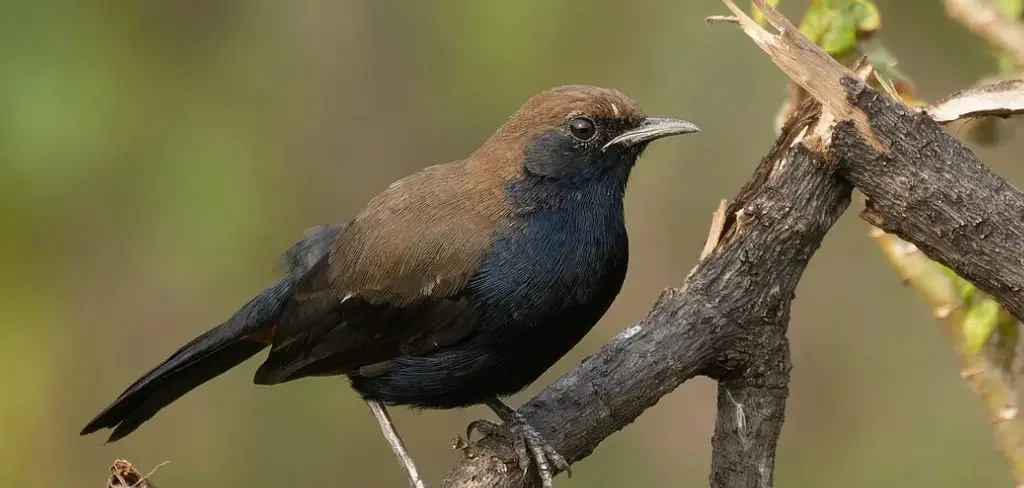
I first paid real attention to one while staying with friends outside Pune. Every morning, a male strutted down the garden path as if he held the deed to the property. He didn’t hurry for anyone, including the family dog.
That swagger stuck with me. Understanding this totem may help you take pride in simple living, protect your home life, and express yourself without apology.
This guide covers the bird’s real traits and its core themes. It then moves through cultural roots, a six-step totem practice, dream meanings, common mistakes, comparisons, and FAQs. Small as it is, this bird has a surprisingly big message.
Meet the Indian Robin
Many readers outside South Asia have never seen this bird. Plenty of people inside the region see it daily without knowing its name. Either way, the symbolism makes more sense once you know how it actually lives.
The Bird at a Glance
The Indian Robin (Copsychus fulicatus) ranges across India, Sri Lanka, Pakistan, Nepal, and Bangladesh. It favors dry scrub, rocky ground, farmland, and the scruffy edges of villages.
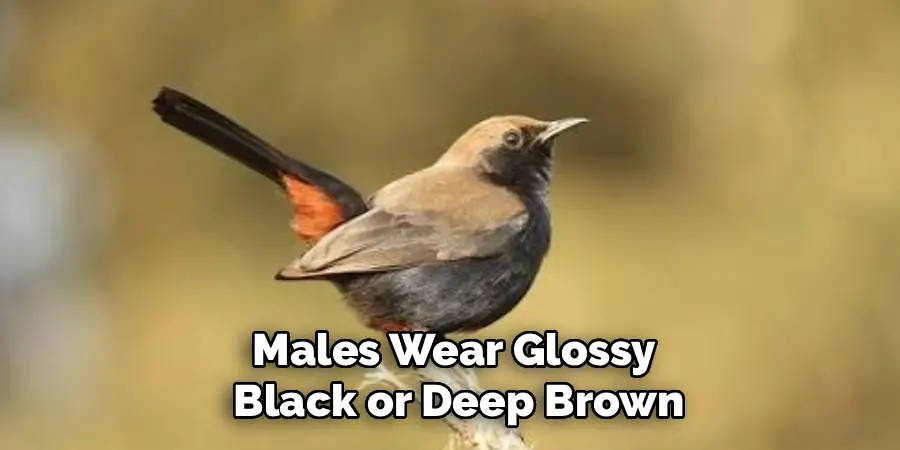
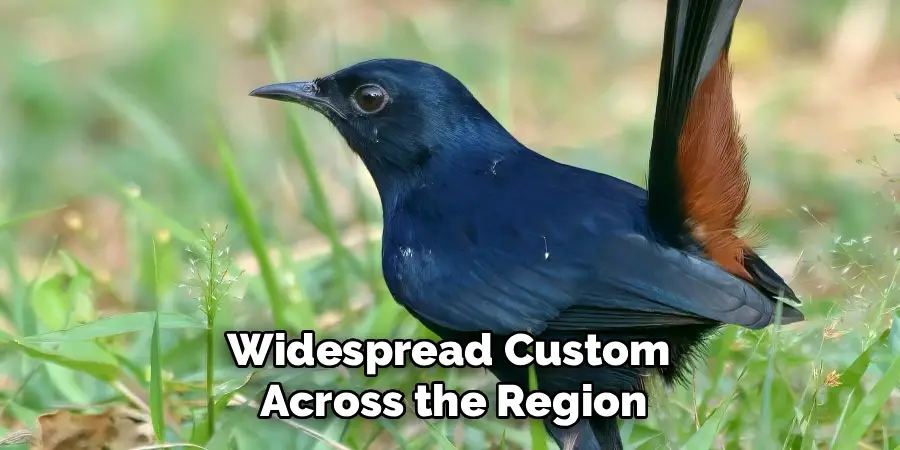
Males wear glossy black or deep brown plumage with a crisp white patch on the wing. Beneath the tail sits a rich chestnut patch that’s easy to miss until the bird shows it off.
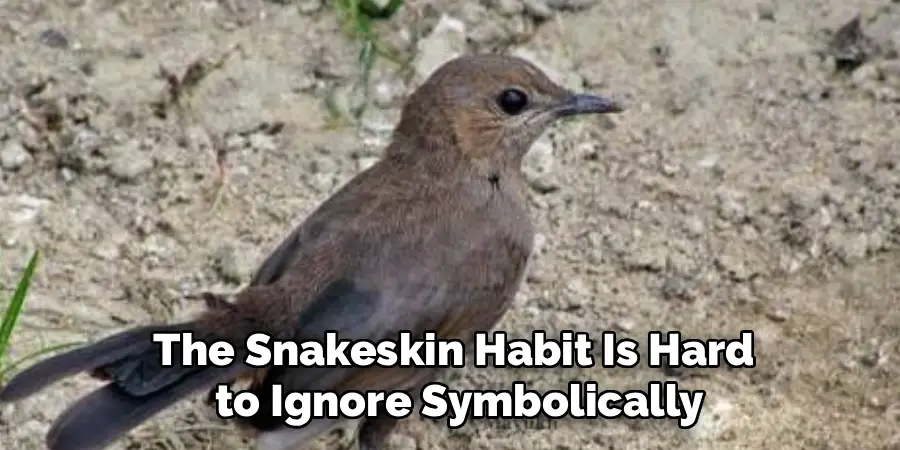
Females are softer gray-brown but keep that same rusty underside. Despite the name, the bird belongs to the Old World flycatcher family rather than to any group of “true” robins.
Behaviors That Shape Its Symbolism
Much of its day is spent on the ground, hopping briskly and snapping up insects. Its signature move is cocking the tail upright, sometimes so far it nearly touches the back.
During courtship, males strut and fan their tails in a small but determined display. Pairs often nest in wall crevices, holes, and gaps in old buildings.
One detail stands out. Indian Robins have been recorded lining their nests with shed snakeskin, a habit some researchers think may deter predators. Confidence, home, and protection all grow from these behaviors.
Indian Robin Meaning, Symbolism and Totem: Core Themes
This bird’s meanings come from its proud posture and its comfort near people. Its clever nesting habits add another layer.
Confidence and Self-Expression
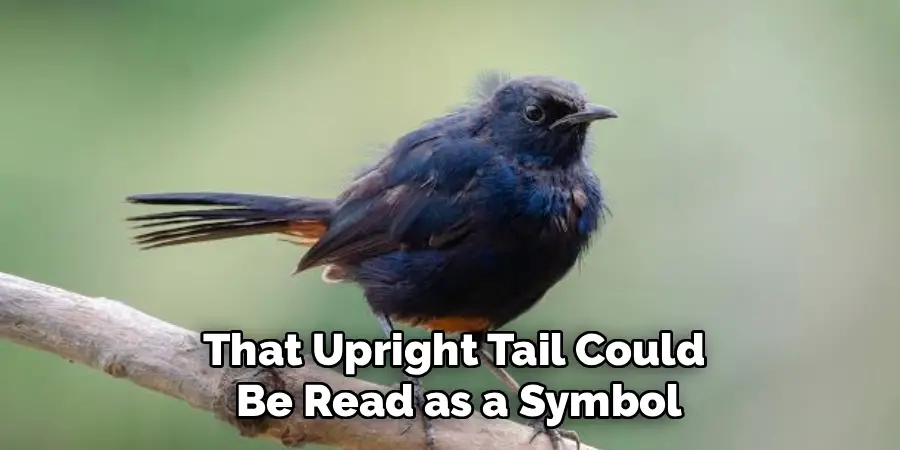
That upright tail could be read as a symbol of self-worth. The bird doesn’t need size or volume to stand tall, and it seems entirely unbothered by who’s watching.
The flash of red underneath suggests showing your true colors. You might see it as permission to share your gifts without first asking whether anyone minds.
Home, Belonging, and Simple Joy
A bird that nests in walls and lives beside farms naturally speaks to domestic harmony. Its world is courtyards and wells, not remote forests.
There’s a quiet lesson here. A meaningful life often grows out of ordinary routines and familiar spaces rather than dramatic events.
Protection and Resourcefulness
The snakeskin habit is hard to ignore symbolically. Turning a potential threat into a tool for safety may suggest creative problem-solving under pressure.
You could read it as a reminder to use every resource wisely. Guarding your home and heart sometimes calls for ingenuity more than strength.
Spiritual Meaning of the Indian Robin
Symbolism gets more personal when you ask what the bird might mean for you specifically.
The Indian Robin as a Spirit Animal
This bird often seems to appear when someone doubts their worth or feels invisible. Its message appears to be simple: lift your head and own your space.
Picture it hopping fearlessly across a sunbaked path. Quiet confidence doesn’t announce itself, and this bird seems to understand that instinctively. As a guide, it celebrates who you already are.
The Indian Robin as a Power Animal
People may call on the Indian Robin when they need courage to present themselves well or build a stable home. Its courtship display hints at attracting opportunity through authenticity rather than pretense.
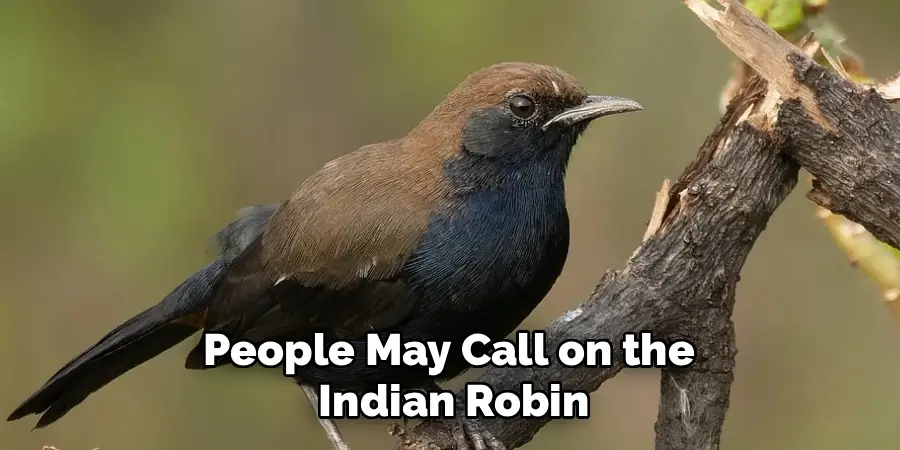
That energy could help before a job interview, during a move, or at the start of a relationship. Sometimes the bravest thing is simply being yourself in full view.
Cultural Significance in South Asian Folklore and Tradition
A word of caution first. Specific legends about this bird are hard to verify, and South Asia holds many distinct cultures, languages, and faiths rather than one shared tradition.
Birds as Welcome Guests in South Asian Homes
Feeding birds is a widespread custom across the region. Families scatter grain on rooftops and leave bowls of water out during brutal summers.
Many people link this to Hindu, Buddhist, and Jain values of compassion toward all living beings. The Indian Robin, a regular courtyard visitor, fits naturally into this habit of treating birds as part of household life.
The Indian Robin in Village Life and Modern Culture
Farmers see it constantly, hopping between fields, walls, and wells. It goes by different regional names in many local languages, so it’s worth checking any name before repeating it.
The bird turns up in nature writing, school textbooks, and India’s growing birdwatching culture. For many admirers, it stands for humble resilience and the understated charm of everyday rural life.
How to Connect With the Indian Robin Totem: A Step-by-Step Guide
Connecting with a totem is personal and, ideally, joyful. There’s no perfect method, so treat these steps as a flexible path you can adjust as you go.
Step 1: Recognize the Signs of the Indian Robin
Start by noticing. Frequent sightings near your home, a pair nesting in a wall, or repeated images of a bird with a raised tail could all be signs.
Your circumstances matter too. A season that calls for self-confidence might be the message itself. Record each sighting in a phone note along with your mood, and patterns may appear within a few weeks.
Step 2: Welcome Robins to Your Space
Physical closeness tends to strengthen the connection. A shallow dish of fresh water in a shaded spot is a good start, especially in hot months.
Keep a patch of open ground where insects can thrive, and plant native shrubs for cover. Skipping pesticides matters more than people expect, since these birds depend on the small creatures living in healthy soil.
Step 3: Reflect on the Robin’s Core Lessons
Journaling turns symbolism into something usable. Try prompts like “Where am I hiding my true colors?” or “What makes my home feel safe?”
Write for five minutes each evening for a week. Then read the entries together and highlight any words that keep coming back. The Indian Robin differs from the European Robin, the American Robin, and the Oriental Magpie-Robin.
Step 4: Meditate and Visualize the Indian Robin
Picture the robin standing on a warm stone wall, tail lifted, white wing patch bright in the sun. With each breath, imagine standing a little taller.
Visualization can build an emotional bond that reading alone won’t. Sunrise works especially well for this, since real birdsong can anchor your focus.
Step 5: Live the Robin’s Message Every Day
Insight only matters once it shapes your choices. You might share an idea at work that you’d normally keep quiet, or refresh a neglected corner of your home.
Setting a healthy boundary counts as well. Choose one action each week and write it on a sticky note near your mirror.
Step 6: Honor the Robin and Keep the Bond Alive
Give something back. Support local bird conservation groups, or leave a few nesting crevices open instead of sealing every gap in an old wall.
Teaching children to recognize common birds nearby is another lovely option. Return to this practice during moves or moments of self-doubt, and let this proud little bird remind you to stand tall.
Dreams and Symbolic Encounters With the Indian Robin
Sometimes the bird appears uninvited, in sleep or in waking life. How you felt in the moment may matter as much as any general meaning.
What It Means to Dream of an Indian Robin
A robin strutting with its tail raised might point to growing confidence or recognition ahead. One building a nest could relate to home, family, or a new living situation.
A robin flying away may suggest an opportunity that needs quick attention. Notice your emotions on waking, since they’re often the clearest clue.
When an Indian Robin Nests Near Your Home
Many people feel real delight when a pair picks their porch or wall. It’s often read as a gentle sign of harmony and safety for the household.
Watch quietly from a distance, though. Nesting birds need to feel secure, and hovering too close can drive them off.
The Meaning of Its Raised Tail and Red Patch
The upright tail could represent pride and alertness. The chestnut patch suggests vitality, a hidden strength revealed at the right moment.
That white wing patch adds its own note. Some read it as clarity of intention.
Common Mistakes When Interpreting Indian Robin Symbolism
A few misunderstandings come up often. Each has a simple fix.
Confusing It With Other Robins
The Indian Robin differs from the European Robin, the American Robin, and the Oriental Magpie-Robin. Each has its own appearance and habitat, along with separate meanings.
Check for the raised tail and the red undertail before interpreting anything. Those two features settle most cases.
Treating All South Asian Cultures as One
Blending diverse traditions into one vague story does them a disservice. Name specific regions or faiths when sharing customs.
Keep documented tradition and modern spiritual interpretation clearly separate.
Mistaking Confidence for Arrogance
The robin’s posture celebrates healthy self-worth, not showing off. Aim for confidence that lifts the people around you rather than shrinking them.
How the Indian Robin Compares With Other Robin Totems
Comparisons sharpen what makes this bird distinct. They may also point you toward other articles in this series.
Indian Robin vs. European Robin
The European Robin speaks to hope through winter and festive warmth. Both birds live close to people and share a bold streak.
Their focus differs, though. The European bird leans toward renewal after hardship, while the Indian Robin celebrates pride and contentment in ordinary days.
Indian Robin vs. Oriental Magpie-Robin
Its close relative, the Oriental Magpie-Robin, is a celebrated singer and the national bird of Bangladesh. Both cock their tails and love gardens.
The magpie-robin leans toward joyful song, while the Indian Robin represents quieter confidence. The Magpie-Robin article picks up from here.
Frequently Asked Questions
What Does the Indian Robin Symbolize?
It generally symbolizes confidence, self-expression, home, and protection. Its comfort near people also links it to belonging and simple joy.
What Does It Mean if the Indian Robin Is My Spirit Animal?
It may suggest a confident, home-loving nature and a gift for protecting loved ones. It could also signal a time to step forward and show your true colors.
Is It Lucky When an Indian Robin Nests at Home?
Many people see it as a positive sign of harmony and safety, along with new blessings for the household.
Why Does the Indian Robin Raise Its Tail?
The raised tail shows off its chestnut patch during courtship, territorial signals, and moments of alertness.
Conclusion
This humble courtyard bird offers lessons in confidence and contentment at home. It also models clever protection, and those lessons grow through reflection and small daily actions.
Exploring the Indian Robin meaning, symbolism and totem reminds us that pride, joy, and safety often begin right outside our own front door. Picture it once more, hopping across a sunlit wall with its tail raised high, completely at home in its world.
Try Step 1 today by watching for robins near your home. When you’re ready, continue the series with the Magpie-Robin.
Standing tall rarely starts with a grand gesture. Usually, it begins with one small, brave step.

About
Jennifer Branett is a distinguished figure in the world of Garden design, with a decade of expertise creating innovative and sustainable indoor solutions. His professional focus lies in merging traditional craftsmanship with modern manufacturing techniques, fostering designs that are both practical and environmentally conscious. As the author of garden, Jennifer delves into the art and science of garden-fix, inspiring artisans and industry professionals alike.
Education RMIT University
(Melbourne, Australia) Associate Degree in Design (Jennifer Branett) Focus on sustainable design, industry-driven projects, and practical craftsmanship. Gained hands-on experience with traditional and digital manufacturing tools, such as CAD and CNC software.
Nottingham Trent University
(United Kingdom) Bachelor’s in Garden and Product Design (Honors) Specialized in product design with a focus on blending creativity with production techniques. Participated in industry projects, working with companies like John Lewis and Vitsoe to gain real-world insights.Publications and Impact
In indoor, Jennifer Branett his insights on Garden design processes, materials, and strategies for efficient production. His writing bridges the gap between artisan knowledge and modern industry needs, making it a must-read for both budding designers and seasoned professionals.