

Deep within the dense, tangled canopies of Asian forests lives a bird that demands absolute stillness to be seen. The Malkoha does not announce its presence with bright, melodic songs. It slips through the foliage like a shadow. Observing such a secretive creature often provides profound insights into our own psychological landscapes. Nature frequently mirrors our internal struggles and triumphs. Understanding the Malkoha Spiritual Meaning, Symbolism and Totem appears to offer a unique framework for navigating modern life with quiet confidence.
This exploration aims to decipher the hidden messages carried by this elusive avian guide. We will examine how its distinct physical behaviors translate into spiritual lessons regarding discretion, perfect timing, and the acceptance of personal imperfections.
Encountering the energy of this bird might suggest a need to reevaluate how you move through your own environment. Quiet observation often reveals much more than loud assertion. Let us look closer at the specific characteristics that shape the powerful, yet understated, symbolic weight of the Malkoha.
Understanding the Malkoha Bird
Grounding spiritual interpretation in biological reality is essential. The symbolic weight we assign to an animal directly reflects its evolutionary adaptations and daily survival strategies. A bird that hides naturally represents entirely different concepts than a bird that soars openly across a clear sky.
Physical Characteristics and Habitat
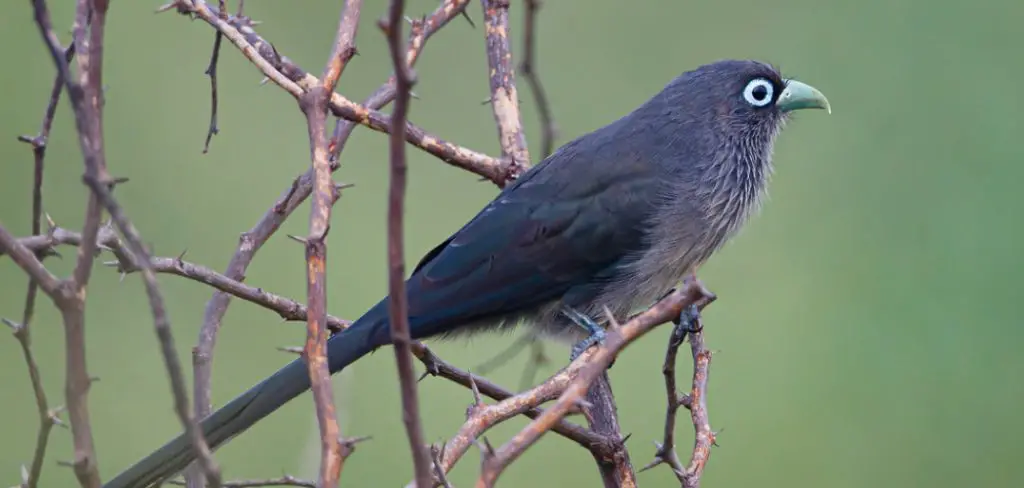
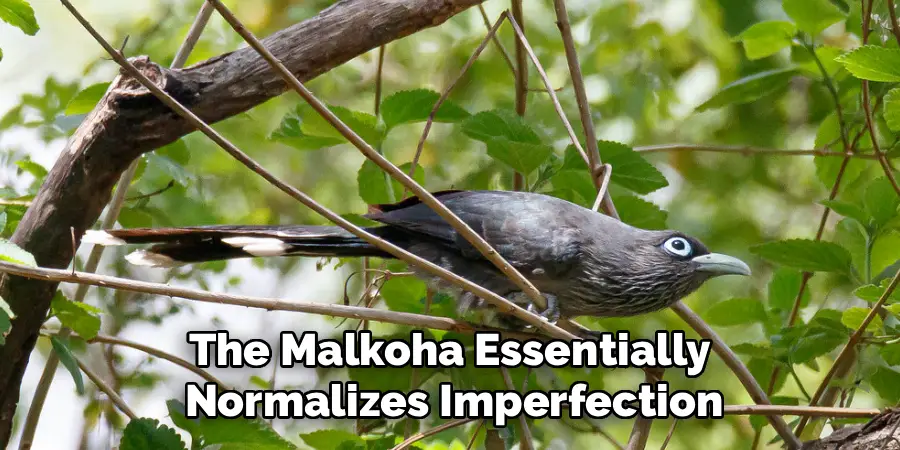
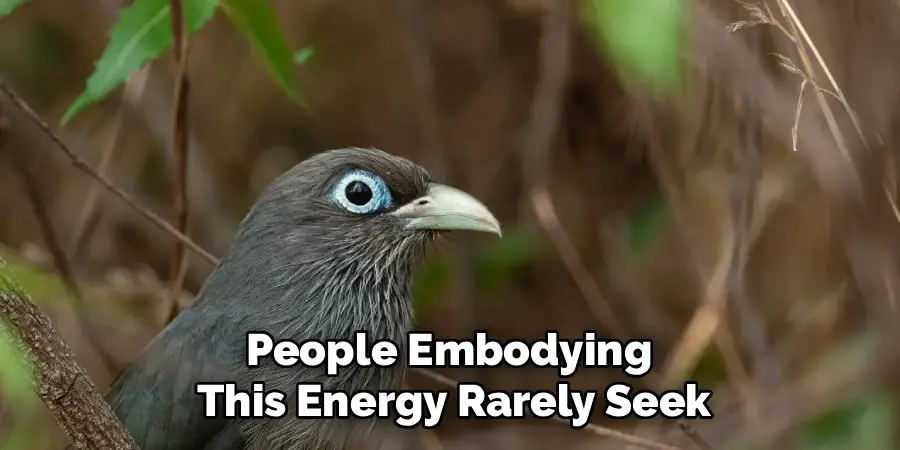
The visual profile of the Malkoha immediately sets it apart from typical songbirds. It possesses an unusually long, graduated tail that drags slightly as it moves. Many species exhibit striking facial coloring, often featuring bare patches of bright red or blue skin around the eyes that contrast sharply with their otherwise muted plumage.
They primarily inhabit thick, subtropical woodlands and dense scrub. These environments require navigation rather than open flight. The bird has evolved to thrive in the shadows of the undergrowth, adopting a highly reclusive nature. It actively avoids the edges of the forest where predators and observers might easily spot it.

Unique Behaviors and Diet
Flight is entirely secondary to this creature. The Malkoha frequently prefers to run along heavy branches or hop between vines. Its movement through the canopy often looks surprisingly awkward. It clambers and scrambles, using its long tail for balance as it weaves through heavy vegetation. This clumsy climbing style starkly contrasts with the graceful aerodynamics we usually associate with birds.
Its diet consists largely of substantial insects, caterpillars, and occasionally small lizards. Hunting requires intense focus. The bird will sit completely immobilized for extended periods, waiting for an insect to reveal itself before striking with sudden, localized precision. This highly grounded nature—preferring to walk and climb rather than fly—strongly informs its spiritual profile. It remains bound to the earth and the immediate tangibles of the forest structure.
Core Symbolic Meanings of the Malkoha
Analyzing the daily existence of the bird reveals several distinct spiritual themes. These concepts resonate deeply with individuals who feel overwhelmed by the constant demand for visibility in modern society.
The Symbolism of Discretion and Secrecy
The most prominent lesson the Malkoha provides centers on the power of the unseen. We live in an era that aggressively encourages constant self-promotion. The Malkoha entirely rejects this premise. Its survival depends on absolute discretion. Spiritually, this behavior might indicate the immense value of keeping certain aspects of your life hidden. Not every project requires an audience. Not every thought needs to be voiced.
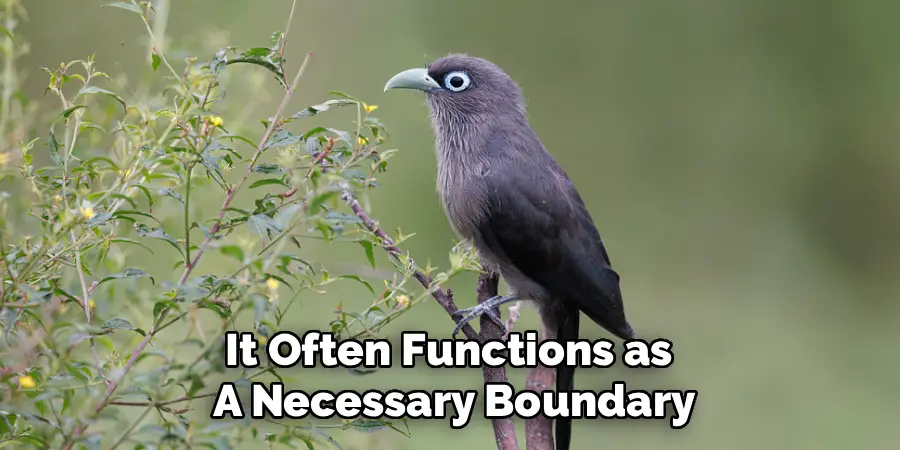
Moving through the world with quiet confidence allows you to protect your energy from external interference. The bird teaches that secrecy is not inherently deceptive. It often functions as a necessary boundary. Shielding your vulnerabilities or your developing ideas from public scrutiny gives them the safety required to mature properly.
Embracing Patience and Perfect Timing
Watching a Malkoha hunt is an exercise in enduring stillness. It does not chase its prey chaotically through the leaves. It waits. This deliberate methodology translates directly into the virtue of patience. We frequently rush into decisions or force outcomes out of a profound discomfort with waiting. The bird’s energy suggests that premature action usually leads to failure.
True opportunity often requires us to simply hold our position. By observing our environment intensely and refusing to act until the optimal moment presents itself, we conserve our resources. Perfect timing cannot be rushed. The Malkoha reminds us that stillness is an active, productive state of being, rather than a passive waste of time.
Finding Balance Between Agility and Clumsiness
There is a fascinating duality present in the bird’s physical movement. It navigates incredibly complex, dense environments with ultimate success, yet it often looks entirely ungraceful while doing so. It scrambles. It slips. It catches itself with its tail.
This reality provides a profoundly comforting spiritual metaphor. Achieving your goals does not require flawless execution. We often punish ourselves for looking awkward while learning a new skill or navigating a difficult life transition.
The Malkoha essentially normalizes imperfection. It demonstrates that you can reach your destination even if the journey looks uncoordinated. Embracing your own specific, perhaps clumsy, methods of problem-solving ultimately leads to a more authentic and balanced existence.
The Malkoha as a Spirit Animal
When an animal presents itself to your consciousness repeatedly—whether through media, unexpected physical sightings, or deep fascination—it often functions as a spiritual guide. The appearance of the Malkoha carries specific psychological weight.
When the Malkoha Spirit Animal Appears
This secretive bird rarely shows up when you are experiencing periods of extroverted joy or social expansion. It tends to arrive during moments of overexposure. You might feel a sudden connection to the Malkoha when your boundaries have been violated, or when you feel intellectually drained by the demands of a highly public role.
Its presence often coincides with the inception of a fragile new idea. If you are starting a delicate personal endeavor that could be easily crushed by the skepticism of others, the bird appears as a protective influence. It signals a necessary phase of withdrawal.
Messages the Malkoha Spirit Animal Brings
The guidance offered by this spirit animal is subtle but firm. It primarily asks you to lower your volume. The message might be a direct call to observe more and speak less in your professional environment, gathering information rather than offering immediate opinions.
Alternatively, it may suggest that you are being entirely too hard on yourself regarding a recent mistake. The bird encourages you to accept your own quirks. If your path forward feels messy and ungraceful, the Malkoha validates that experience. It simply asks you to keep climbing, regardless of how awkward the ascent appears to outside observers.
Malkoha Totem Animal and Its Powers
A totem animal represents a lifelong energetic signature rather than a temporary guide. Individuals who carry the Malkoha totem process the world through a highly specific, introverted lens.
Living with the Malkoha Totem
People embodying this energy rarely seek the center of the room. They are the quiet observers standing at the periphery, taking in vast amounts of subtle data that others entirely miss. A Malkoha person possesses intense intuition. They guard their private lives fiercely, sharing their true thoughts with only a carefully vetted fraction of their acquaintances.
This personality type excels in complex, nuanced situations. Because they do not rush to judgment, they form highly accurate assessments of the people around them. They are fiercely independent, preferring to work through challenges alone rather than seeking group consensus. Their quiet nature is sometimes mistaken for shyness. In reality, it usually masks a deeply analytical and strategic mind.
Harnessing the Malkoha’s Power
You can actively call upon this specific energy when your current circumstances demand tact. If you must navigate a highly political corporate environment, channeling the bird’s secretive nature helps you avoid unnecessary conflicts. It allows you to move through dense social tangles without triggering alarms.
Furthermore, invoking the totem proves incredibly useful when you are struggling with impatience. If a long-term goal feels stagnant, meditating on the Malkoha’s hunting strategy might quiet your anxiety. It reminds you to trust the process of waiting. You learn to conserve your emotional stamina for the exact moment when action will yield the highest return.
A Guide to Understanding the Malkoha Spiritual Meaning, Symbolism and Totem
Integrating these concepts into your daily routine requires intentional practice. The energy of this bird is entirely passive; it will not force itself upon you. You must create the psychological space necessary to receive its subtle teachings.
Step 1: Observe and Meditate on Malkoha Imagery
Visual connection forms the foundation of spiritual integration. Source high-quality photographs or documentary footage of the bird moving through its natural habitat. Set aside ten minutes of complete silence to simply watch. Notice the specific way it utilizes its tail for balance.
Observe the stark contrast of its facial coloring against the muted forest background. Pay close attention to any physical sensations or sudden thoughts that arise during this observation. These initial, unprompted feelings usually indicate the specific area of your life where the bird’s energy is currently needed.
Step 2: Journal About Secrecy and Patience in Your Life
Translating abstract animal energy into concrete personal insight requires directed reflection. Open a journal and address the core themes of the Malkoha directly. Ask yourself where you might be oversharing. Are there relationships or projects in your life that suffer from too much external input? Consider your current frustrations.
Identify one specific area where you feel intensely impatient. Write down exactly how adopting a quiet, deliberate, wait-and-see approach might alter your stress levels regarding that specific situation.
Step 3: Practice Mindful Movement
The Malkoha’s spiritual meaning ties deeply to its physical locomotion. It climbs rather than flies. You can mimic this grounded connection by altering how you move through your own space. Practice walking with extreme, deliberate slowness for brief periods.
Whether engaging in a structured practice like tai chi or simply walking across your living room, focus entirely on the mechanics of your shifting weight. Notice every muscle required to maintain your balance. This physical exercise forcibly slows your racing mind. It anchors you entirely in the present moment, perfectly simulating the bird’s focused stillness.
Step 4: Create a Personal Totem Representation
Establishing a physical touchstone helps maintain your connection to the totem throughout chaotic days. This does not require an elaborate shrine. You might sketch the distinct eye-patch of the bird on a small piece of paper and tuck it inside your wallet.
Finding a long, dark feather while walking and keeping it on your desk serves a similar purpose. When you feel yourself rushing to speak or reacting with undue panic, physically touching this small representation acts as a psychological circuit breaker. It instantly recalls the lessons of discretion and patience.
The Malkoha in Dreams
The subconscious mind frequently utilizes animal imagery to bypass our logical defenses. Analyzing the specific actions of the bird within the dream state provides highly targeted psychological feedback.
Dreaming of a Hiding Malkoha
Spotting the bird partially obscured by leaves in a dream carries a heavy analytical weight. This scenario frequently suggests the presence of hidden knowledge. There might be a secret you are keeping from yourself, a truth you are avoiding acknowledging. Alternatively, it could indicate that someone in your waking life is intentionally obscuring their motives. The dream prompts you to look closer at your environment. The answers you seek are present, but they require quiet, careful excavation to uncover.
Dreaming of a Malkoha Eating
Witnessing the bird successfully capture an insect generally serves as a highly positive psychological omen. The Malkoha feeds on creeping things that many consider pests. In the landscape of a dream, this act symbolizes the successful elimination of toxic influences from your waking life. It appears to indicate that your patience and careful observation are finally paying off. You are nourishing your own personal growth by quietly removing the small, nagging anxieties or negative individuals that previously drained your energy.
Cultural Significance and Folklore
Unlike the eagle or the owl, the Malkoha does not feature prominently in vast, globally recognized mythological epics. Its extreme reclusiveness has kept it largely out of the spotlight of major human folklore. It exists quietly in the background of the Asian forests it inhabits.
This obscurity actually enhances its value as a modern spiritual totem. Without the heavy baggage of centuries of conflicting cultural interpretations, the bird’s meaning is derived entirely from its pure, unadulterated behavior. The symbolism is biological rather than dogmatic. It represents a clean slate for personal interpretation. The lack of loud, dominant mythology surrounding the bird perfectly aligns with its core message of secrecy. It is a powerful guide precisely because it remains largely unnoticed by the wider world.
Conclusion
Navigating an increasingly loud and exposed world requires alternative strategies. The Malkoha Spiritual Meaning, Symbolism and Totem provides a compelling blueprint for a different kind of success. It proves that you do not need to be the most vocal presence in the room to achieve your objectives. The bird teaches the profound value of strategic discretion. It reminds us that patience is a weapon, and that perfect timing always outpaces rushed action.
Perhaps most importantly, it offers grace for our own clumsiness. Progress rarely looks elegant. By accepting our awkward moments and focusing on the slow, deliberate climb, we reach our destinations intact. Look for the subtle, quiet wisdom hidden in the natural world. Embrace the understated power that the Malkoha represents, and allow its secretive energy to protect your most fragile and valuable pursuits.

About
Jennifer Branett is a distinguished figure in the world of Garden design, with a decade of expertise creating innovative and sustainable indoor solutions. His professional focus lies in merging traditional craftsmanship with modern manufacturing techniques, fostering designs that are both practical and environmentally conscious. As the author of garden, Jennifer delves into the art and science of garden-fix, inspiring artisans and industry professionals alike.
Education RMIT University
(Melbourne, Australia) Associate Degree in Design (Jennifer Branett) Focus on sustainable design, industry-driven projects, and practical craftsmanship. Gained hands-on experience with traditional and digital manufacturing tools, such as CAD and CNC software.
Nottingham Trent University
(United Kingdom) Bachelor’s in Garden and Product Design (Honors) Specialized in product design with a focus on blending creativity with production techniques. Participated in industry projects, working with companies like John Lewis and Vitsoe to gain real-world insights.Publications and Impact
In indoor, Jennifer Branett his insights on Garden design processes, materials, and strategies for efficient production. His writing bridges the gap between artisan knowledge and modern industry needs, making it a must-read for both budding designers and seasoned professionals.