

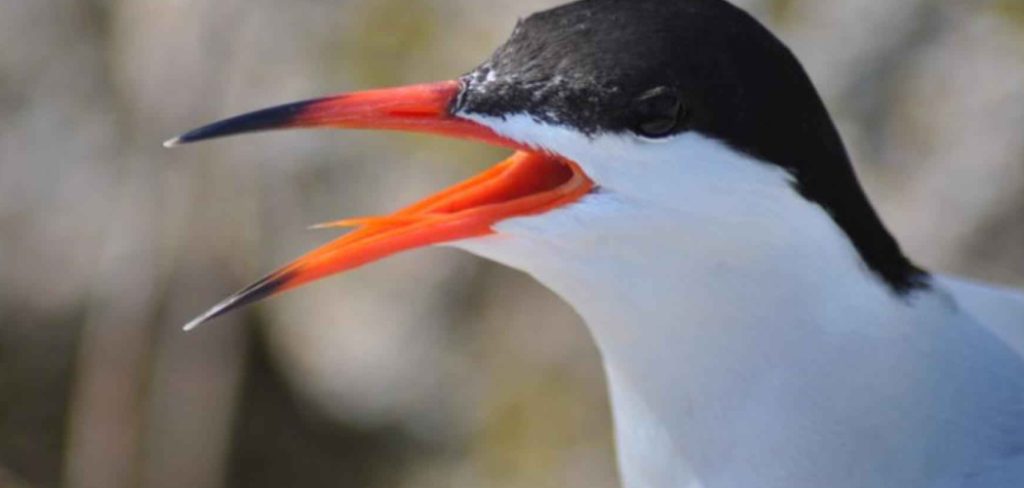
There is a particular sound a common tern makes just before it dives. A sharp, clipped cry, almost impatient, as though the bird has already decided and is simply announcing it. I heard it for the first time on a gray afternoon by a harbor, and I looked up expecting something dramatic.
What I got was better. A slim white bird hovering on flickering wings, perfectly still in the moving air, then folding into a clean silver plunge.
If you feel a pull toward a creature that moves with that kind of certainty, the common tern meaning, symbolism and totem may have something to offer you. This is a bird that knows how to wait, and then knows exactly when to stop waiting.
This article works through the whole picture. What the bird actually is, what people have read into it over the years, and how you might build a quiet relationship with it as a totem.
Meet the Common Tern: A Graceful Coastal Traveler
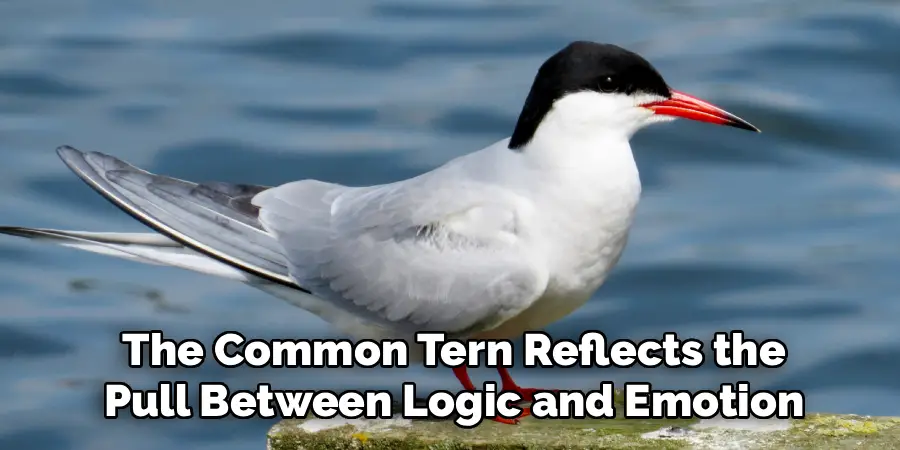
The common tern is sleek and pale, white-bodied with soft grey wings, a crisp black cap, and a bright orange-red bill tipped in black. It looks tidy in a way that feels almost deliberate.
Watch it for a while, and you notice the buoyancy. It darts and dips above beaches, lakes, and harbors with a restless focus that never quite tips into chaos.
A bird’s habits tend to shape the meaning we hand it, and the common tern is a clear example. Its sharpness is not invented. It is right there over the water, plain to anyone who slows down enough to look.
Where the Common Tern Lives and Migrates
You find common terns across a wide range, along coasts, rivers, and lakes, far more adaptable than many of their seabird cousins. They are not fussy about saltwater alone.
Then there are the migrations, long seasonal journeys between breeding and wintering grounds that sit oceans apart. The bird leaves, and then, faithfully, it returns to the same shores.
That mix of wandering and homecoming ties the common tern to ideas of freedom and faithful return. Its travels can read, if you like, as a reminder that movement and belonging are not opposites. They can share a single life.
Natural Traits That Shape Its Symbolism
Slow down, and a few qualities stand out. The agility. The pinpoint accuracy of its dives. And the fierce way it guards a nesting colony that looks far too open to defend.
These are watchable, repeatable behaviors, not romantic guesses. That grounding is part of why the symbolism feels honest rather than dreamed up.
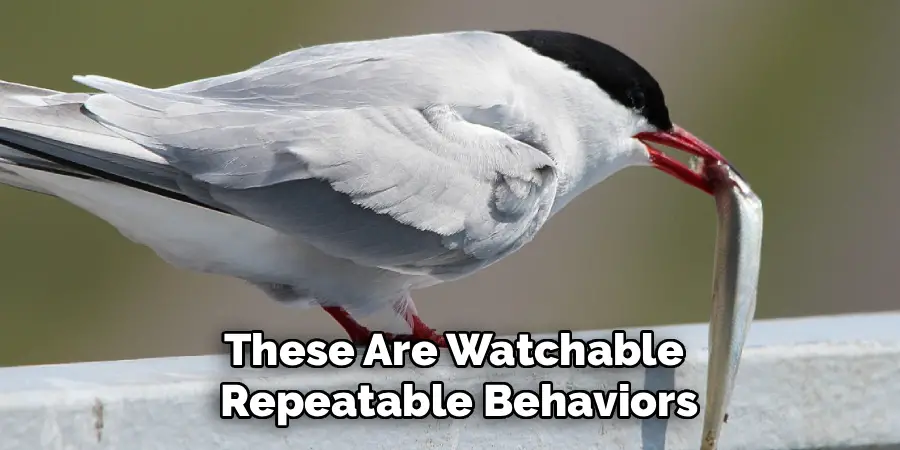
When meaning grows from something real, it tends to stick. The common tern earns its reputation on the water, in plain sight.
The Core Symbolism of the Common Tern
Strip away the poetry, and a few central themes remain. Focus. Freedom. Swift, committed decisions. And a balance between needing your own space and belonging to a group.
A bird that hunts with such precision yet thrives inside close colonies becomes, almost inevitably, an emblem of clarity and connection at once.
Focus and Decisive Action
The common tern’s dive is the heart of it. The bird scans, holds its position, then commits entirely the instant the moment is right. There is no second-guessing once it drops.
That clarity reads as decisiveness, and decisiveness here looks like a strength rather than recklessness. Hesitation tends to fade when intention is clear.
I find this genuinely useful to sit with. Most of my scattered effort comes from not deciding, from circling a choice rather than making it. The tern seems to argue for watching closely, then acting once and well.
Freedom and Joyful Movement
There is also the lightness. The common tern’s flight has a playful quality, an energy that suggests the bird enjoys the air it moves through.

That joy reads as freedom, a sense of following your own current. Yet the bird never drifts aimlessly. It is free and purposeful at the same time, which feels like a quiet contradiction worth holding.
If you tend to think freedom means having no direction, this part of the common tern meaning, symbolism and totem might be the one that lingers.
Common Tern Meaning: Spiritual Meaning
Move past the surface traits, and the common tern starts to feel like a guide for trusting your instincts. It masters both air and water, two elements often linked with thought and feeling.
That command of both appears to point toward harmony, a creature equally fluent in the mind and the heart. Take from it what you will, though the fit is hard to miss.
A Messenger of Instinct and Timing
Scanning the water before its sudden, certain plunge, the common tern becomes a natural emblem of trusting your gut and acting at the right moment. It does not dive early. It does not dive late.
It may encourage you to listen for those subtle inner nudges and to honor your own sense of timing. Patience paired with readiness is its own kind of wisdom.
There is a real difference between waiting because you are afraid and waiting. After all, the moment has not arrived. The bird seems to understand that line better than most of us do.
Balancing Sky and Sea
Moving freely between air and water, the common tern reflects the pull between logic and emotion. Neither one wins outright. Both get their turn.
That balance could indicate a steadier way of deciding things, where clear thinking and genuine feeling are allowed to talk to each other rather than compete.
Most of my worst calls came from silencing one side entirely. The tern, in its quiet way, makes a case for letting both speak.
Common Tern Symbolism in Culture and Folklore
Terns have drifted through coastal stories for a long time, usually as helpful presences rather than ominous ones. Shoreline communities watched them closely, and that attention bred meaning.
This is less grand mythology and more everyday observation that slowly hardened into something lasting.
Terns as Guides for Sailors and Fishers
For people who lived by the water, terns were useful. Their gathering signaled fish below, and their flight could hint at the moods of the sea and sky.
A bird that reliably points you toward food and reads the weather earns a reputation. Over generations, that role shaded into something close to wayfinding, the tern as a quiet sign of good fortune.
It is easy to see how a useful bird becomes a lucky one. Gratitude has a way of turning into symbolism.
Shared Themes Across Coastal Traditions
Look across different seaside cultures and certain ideas keep surfacing. Renewal. Seasonal return. Community. A deep tie to the sea and its rhythms.
The common tern fits neatly into these threads. Its faithful return each season alone speaks to cycles and fresh starts.
These overlaps are worth noticing. They suggest the bird touched something common in how people made sense of the shore.
The Common Tern as a Totem Animal
To carry the common tern as a totem is to recognize a piece of yourself in it. People drawn to this bird often share its focus, its adaptability, and its fierce loyalty toward the ones they love.
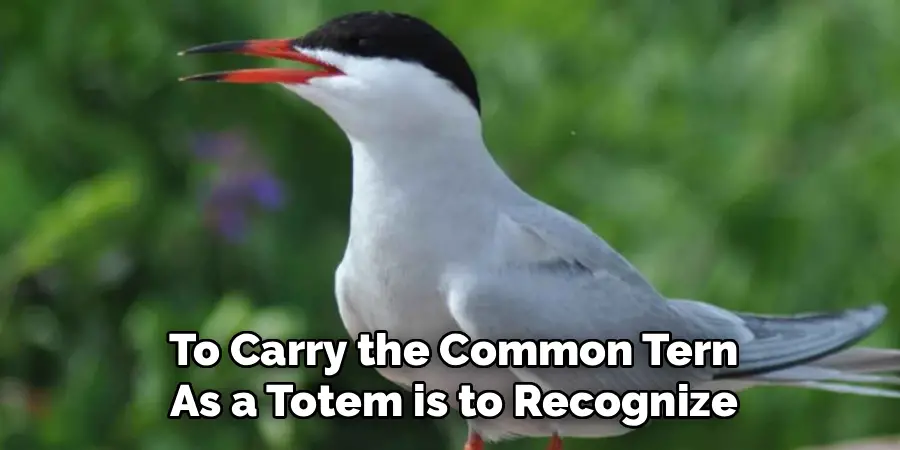
A totem works less like a label and more like a lifelong companion, reflecting traits you already hold rather than ones you must invent.
Personality Traits of Common Tern People
Those guided by this totem tend to be energetic and decisive, quietly protective of the people close to them. They often thrive when circumstances shift around them.
Independence matters to them, sometimes a great deal. Yet they stay deeply tied to their community and their home, which can look like a contradiction until you watch them live it.
If any of that sounds familiar, you might already be a common tern person without having named it.
When the Common Tern Appears in Your Life
Sometimes a bird keeps surfacing, in fact or in thought, until it begins to feel like more than chance. A sudden sighting, or a run of common tern images, may point toward a need for sharper focus or a fresh start.
It might be nudging you to finally decide something you have been circling. Noticing the pattern is the first real step. You do not have to read it perfectly, only pay it some attention.
Connecting With the Common Tern as Your Totem: Your Step-by-Step Guide
Here is the practical heart of it. Think of me as a friend talking you through this, not a strict teacher. Move at your own pace, and let the connection deepen rather than forcing it.
Step 1: Set a Clear Intention
Begin by naming what you hope to find. Sharper focus, maybe, or the courage to act, or some balance during a season of change.
A simple, honest intention carries more than a perfectly worded one. Sincerity matters far more than polish.
Step 2: Observe the Bird in Nature or Imagery
Spend time watching common terns near coasts and lakes if you can, or study photos and videos of their darting flight and clean dives. Patient observation builds a real familiarity.
Even a quiet moment with a single image can stir something. You begin to feel the bird’s focused energy rather than just know facts about it.
Step 3: Reflect Through Journaling
Write down feelings, dreams, or situations that seem to call for focus or decisive action. Journaling has a way of surfacing patterns you would otherwise miss.
Be honest, and stay gentle with yourself as the words come. You may notice where a little more clarity would help you move forward.
Step 4: Practice Quiet Meditation
Sit for a few minutes and picture the common tern hovering steadily before its clean, certain dive into bright water. Let that image settle your attention.
The scene invites focus, instinct, and a calm readiness. A short session often leaves you more alert and grounded than you expected going in.
Step 5: Apply the Lessons to Daily Choices
Carry the bird’s traits into real decisions. Act with focus, trust your timing, protect what genuinely matters to you.
Notice the small wins. Decisive, well-aimed choices build momentum over time, even when each one feels minor on its own.
Step 6: Express Gratitude and Stay Open
Thank the totem in whatever way feels natural, and stay receptive to what follows. The relationship lives through that openness.
Acknowledge any guidance when it shows up. The bond tends to grow a little stronger each time you pause to give thanks.
Common Tern as a Spirit Animal Versus Power Animal
These two roles get blurred often, though they offer different kinds of support. The distinction is gentle rather than rigid, so try not to overthink it.
The Common Tern as a Spirit Animal
A spirit animal tends to arrive during a particular stretch of life, carrying a timely message. The common tern in this role may show up when you need focus, freedom, or the nerve to make a decisive change.
You do not summon it so much as notice it. Its appearance is the invitation itself.
The Common Tern as a Power Animal
A power animal works the other direction. You call on its energy on purpose, drawing on the tern’s focus or confidence when a moment demands you act swiftly.
This is an active practice, something you reach toward. Anyone can use it, and nothing mystical is required to begin.
Common Questions and Misunderstandings
A little skepticism is healthy here. Animal symbolism gets brushed aside easily, sometimes for fair reasons, so clear eyes help.
Does Bird Symbolism Really Apply to Me?
Symbolism is a tool for reflection, not a forecast carved in stone. Its real value sits in the self-awareness it stirs, not in any claim about your future.
Keep what resonates and quietly leave the rest. Your own intuition is the better judge of what rings true.
Mixing Up the Common Tern With Other Terns
People confuse the common tern with Arctic and roseate terns fairly often. The clearest giveaways are its orange-red, black-tipped bill, the grey wings, and that bold black cap.
Getting the identification right matters more than it might seem. A connection built on the actual bird, rather than a vague seabird, simply feels more honest.
Conclusion
So we circle back to where we began, with a slim bird hovering over moving water, waiting for its moment. Across all of this, the common tern meaning, symbolism and totem keep returning to the same quiet ideas: focus that turns scattered effort into something useful, freedom that still knows its direction, and the wisdom of trusting your own timing.
The encouraging part is how reachable it all is. You need no special training to learn from this bird, only a willingness to look up and watch.
There is genuine power in clear focus and in trusting the instinct that tells you when to wait and when to dive. The common tern seems to manage both, season after season, without much fuss.
So walk beside the water sometime soon, glance up at the skies, and stay open to what this spirited shoreline traveler might be reflecting at you. The lesson, if there is one, tends to arrive quietly.
