

There is a coastline in northern Chile where the land looks like it gave up on rain a thousand years ago. The Atacama. Bone-dry, cracked, almost lunar. And drifting above it, soft and smoky against the pale sky, glides a gull that seems to belong to a gentler world entirely.
The gray gull moves over that stark shore with a quiet, unhurried grace. The first time I read about one nesting deep in that desert, miles from the surf, I assumed it was a mistake in the field guide.
It was not. The bird really does raise its young in one of the driest places on earth, then commutes back to the cold Pacific to feed.
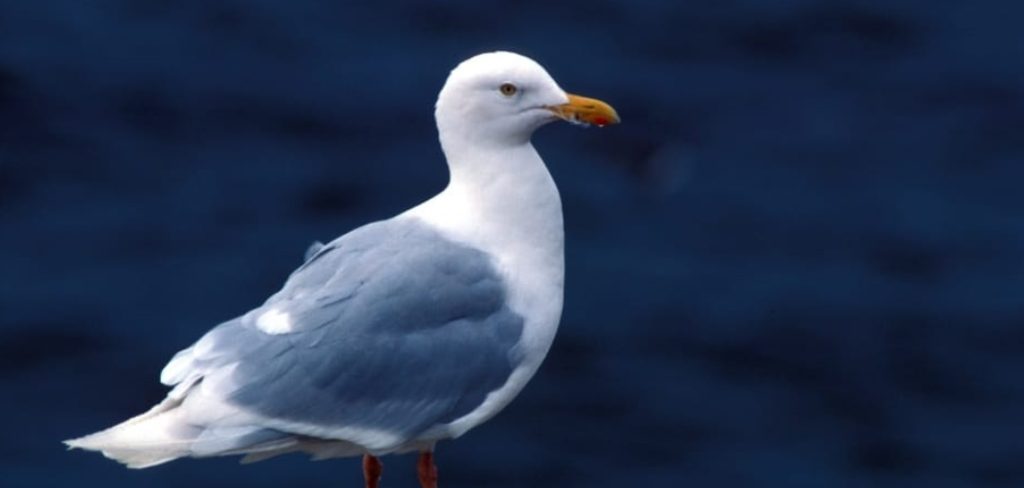
If you feel drawn to something that thrives where most life simply cannot, the gray gull meaning, symbolism and totem may have a word or two for you. This article wanders through the whole picture: what the bird is, what people have made of it, and how you might build a quiet relationship with it as a totem.
Meet the Gray Gull: A Desert-Nesting Coastal Wanderer
The gray gull is, frankly, the odd one out among gulls. Where most of its cousins go for crisp white and bold contrast, this bird wears a soft, all-over smoky-gray, paler about the head in breeding season, with a dark bill and dark legs.
There is something almost dove-like about it. A gentleness in the coloring, a softness that sets it apart from the brash, squabbling crowd you usually picture on a pier.
Watch one fly and the steadiness shows. It travels between two punishing worlds, the cold coast and the scorching desert, with a patient, watchful calm that seems out of step with the harshness around it.
A bird’s habits tend to shape the meaning we hand it, and the gray gull is a clear case. Its quiet strength is not invented. It is right there in how the bird lives, plain to anyone who looks.
Where the Gray Gull Lives and Migrates
You find the gray gull along the coasts of Peru and Chile, feeding at the rich shoreline where the cold Humboldt Current churns up fish. Then, strangely, it turns inland to nest, walking deep into the rainless Atacama to raise its chicks on the scorching ground.
That daily split between two impossible extremes ties the bird to ideas of resilience, adaptability, and bridging opposites. Few creatures attempt to live in both the freezing sea air and the desert furnace.
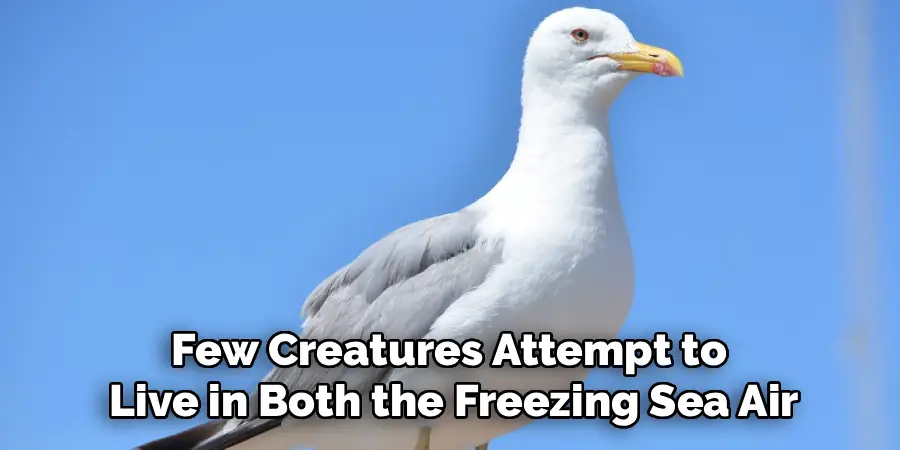
You could read its long journeys between sea and desert as a mirror for your own life. Most of us move between contrasting seasons, too, hard ones and softer ones, and the gull seems to manage the crossing without losing its composure.
Natural Traits That Shape Its Symbolism
Slow down and a few qualities stand out. The endurance, first, the sheer toughness of nesting where the sun hammers down and water is a rumor. The resourceful feeding, too, since it works a demanding shoreline for every meal.
Then there is its devotion to raising young in that heat, and the calm, understated way it carries itself through all of it. The bird does not seem to make a fuss.
These are watchable behaviors, not romantic guesses. That grounding is part of why the symbolism feels honest rather than dreamed up.
The Core Symbolism of the Gray Gull
Strip away the poetry and a few central themes remain. Resilience. Adaptability. A comfort with solitude. And the quiet dignity of thriving in places that would defeat almost anything else.
A bird that nests in one of the harshest deserts on earth becomes, almost inevitably, an emblem of endurance and calm self-reliance.
Resilience in Harsh Conditions
The gray gull’s choice to raise its young in that blistering, waterless ground reads as resilience, the strength to flourish where others could not even survive. It does not seem to flinch from the difficulty.
That toughness may suggest something useful about our own hard seasons. Hardship can reveal a steady power within, the kind you rarely notice until circumstances force it out of you.
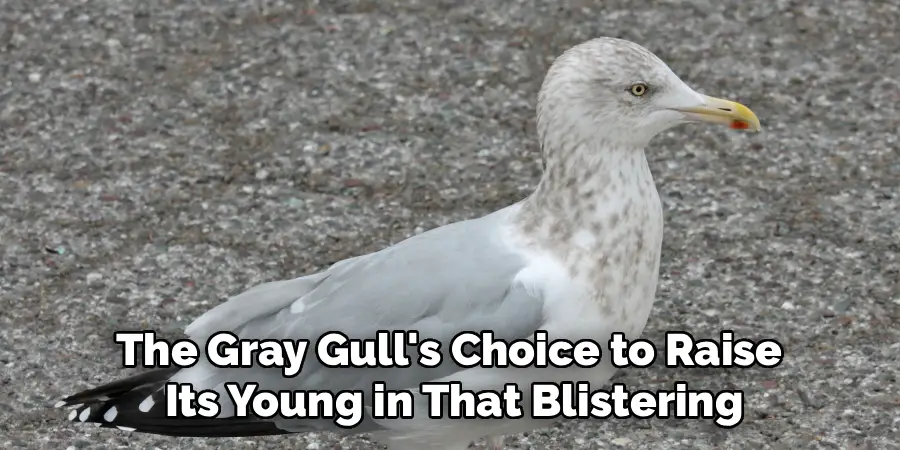
I think resilience works best understood as a calm, patient choice rather than a dramatic struggle. The gull does not rage against the desert. It simply settles into it, raises its chicks, and endures. Like it, you can weather a brutal stretch and come out the far side steadier than before.
Adaptability and Bridging Two Worlds
Then there is that daily commute between the cold ocean and scorching sand. It points toward adaptability and the wisdom of moving gracefully between very different worlds.
It may encourage you to embrace flexibility when life pulls you across contrasting demands. Carrying calm from one realm into another, the bird suggests, is a skill worth building.
Learning to thrive in opposing environments often forges a rare, balanced strength. If you have been stretched between two very different parts of your life, this aspect of the gray gull meaning, symbolism and totem might be the one that lingers.
Gray Gull Meaning: Spiritual Meaning
Move past the surface traits and the bird starts to feel like a guide for trusting your own inner steadiness. It masters sea, sky, and desert, three realms that rarely overlap in a single creature’s life.
That command of such different elements appears to point toward balance, an endurance held steady by quiet reflection. Take from it what you will, though the fit is hard to ignore.
A Messenger of Quiet Strength
Thriving unseen in a barren landscape, the gray gull becomes a natural emblem of the inner strength that needs no audience. It does its hardest work far from anyone watching.
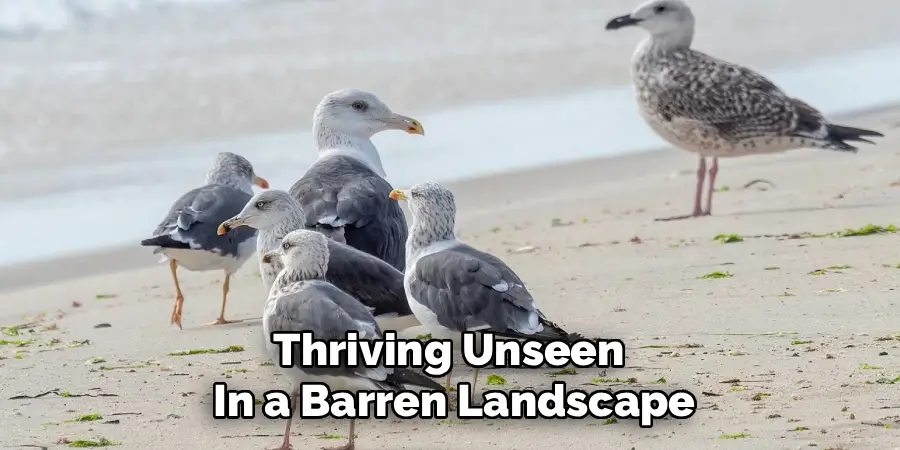
It may encourage you to trust your own quiet capability, even when your efforts go unnoticed. Steady, unshowy endurance is its own kind of courage, though it rarely earns applause.
There are seasons when you feel overlooked, certain the work you are doing matters to no one. The gray gull offers a small comfort there, a reminder that you likely carry far more resilience and depth within than the world around you happens to see.
Embracing Solitude and Stillness
That calm, understated presence reflects something quieter, too: the gift of finding peace in solitude rather than fearing it. The bird does not seem lonely out there. It seems at home.
That could indicate a gentler relationship with your own alone time. Quiet, solitary moments can bring clarity and renewal, a deeper sense of who you are beneath the noise.
Like this self-possessed bird at ease in empty spaces, stepping away from crowds can restore your energy and surface a kind of wisdom that hides when life is loud. Easier said than lived, of course. Still, the gull makes the case fairly well.
Gray Gull Symbolism in Culture and Folklore
Gulls have drifted through South American coastal and seafaring stories for a long time, usually as clever survivors rather than ominous signs. Communities along the Pacific shore watched them closely, and that attention turned into meaning.
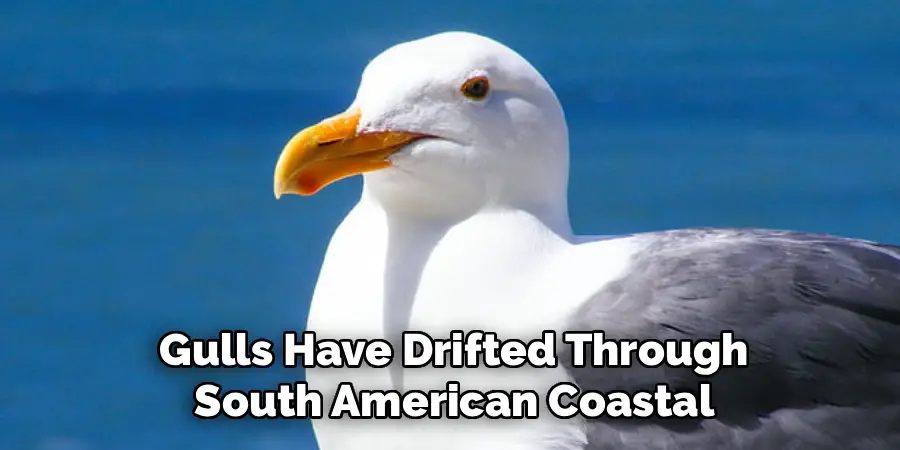
This is less grand mythology and more everyday observation that slowly hardened into something lasting.
A Bird Tied to Desert and Sea
The gray gull’s rare bond with both the Atacama and the rich Pacific linked it, in the eyes of coastal peoples, to ideas of survival, abundance, and life thriving against the odds. A bird at home in two unforgiving worlds tends to catch the imagination.
Communities watched these gulls to locate fish and to read the moods of the sea. A bird that points reliably toward food earns a certain standing over time.
It is easy to see how a creature so at ease in two harsh landscapes becomes bound up with stories of endurance and resourcefulness. Such places tend to stir those kinds of thoughts.
Shared Themes Across Coastal Traditions
Look across different seaside cultures and certain ideas keep returning. Survival. Resilience. The bounty of the sea. And a deep tie to demanding land.
The gray gull fits neatly into these threads. A bird that thrives where life grows difficult alone seems to invite tales of strength found in unlikely ground.
These overlaps are worth noticing. They hint that the bird touched something common in how people made sense of their dramatic, contradictory coast.
The Gray Gull as a Totem Animal
To carry the gray gull as a totem is to recognize a piece of yourself in it. People drawn to this bird often share its deep resilience, its adaptability, its comfort with solitude, and its calm, enduring spirit.
A totem works less like a label and more like a lifelong companion, reflecting traits you already hold rather than ones you have to manufacture.
Personality Traits of Gray Gull People
Those guided by this totem tend to be resilient and adaptable, the sort who keep their footing when everything around them shifts. They often thrive through hardship that would unsettle others.
They feel genuinely at ease in their own company, and they move calmly between very different situations without losing themselves. There is a grounded quality to them that people come to trust.
They pair a patient’s strength with a quiet independence. If any of that sounds familiar, you might already be a gray gull person without having named it.
When the Gray Gull Appears in Your Life
Sometimes a bird keeps surfacing, in fact or in thought, until it begins to feel like more than chance. A sudden sighting, or a run of gray gull images, may point toward a need for resilience, comfort in solitude, or graceful adaptation to a demanding stretch.
It might be nudging you toward a more patient, self-reliant frame of mind during a season that has felt relentless. Noticing the pattern is the first real step. You do not have to read it perfectly, only pay it some attention.
Connecting With the Gray Gull as Your Totem: Your Step-by-Step Guide
Here is the practical heart of it. Think of me as a friend talking you through this, not a strict teacher. Move at your own pace, and let the connection deepen rather than forcing it.
Step 1: Set a Clear Intention
Begin by naming what you hope to find. Resilience, perhaps, or comfort in solitude, or steady calm during a demanding season.
A simple, honest intention carries more than a perfectly worded one. Sincerity matters far more than polish here.
Step 2: Observe the Bird in Nature or Imagery
Spend time watching gray gulls along South American coasts if you can, or study photos and videos of their soft, smoky flight. Patient observation builds a real familiarity.
Even a quiet moment with a single image can stir something. You begin to feel the bird’s resilient, self-possessed energy rather than just know facts about it.
Step 3: Reflect Through Journaling
Write down feelings, dreams, or situations that seem to call for endurance or comfort with being alone. Journaling has a way of surfacing patterns you would otherwise miss.
Be honest, and stay gentle with yourself as the words come. You may notice where a little more resilience, or a little more quiet self-reliance, would help you move steadily through a hard stretch.
Step 4: Practice Quiet Meditation
Sit for a few minutes and picture the gray gull gliding calmly between misty shore and silent desert, steady and unhurried. Let that image settle your attention.
The scene invites resilience and a grounded stillness. A short session often leaves you more centered and steady than you expected going in.
Step 5: Apply the Lessons to Daily Choices
Carry the bird’s traits into real decisions. Act with resilience where you can, embrace solitude when you need it, and adapt gracefully when life shifts beneath you.
Notice the small wins. Grounded, self-reliant choices build lasting strength over time, even when each one feels minor on its own.
Step 6: Express Gratitude and Stay Open
Thank the totem in whatever way feels natural, and stay receptive to what follows. The relationship lives through that openness.
Acknowledge any guidance when it shows up. The bond tends to grow a little stronger each time you pause to give thanks.
Gray Gull as a Spirit Animal Versus Power Animal
These two roles get blurred often, though they offer different kinds of support. The distinction is gentle rather than rigid, so try not to overthink it.
The Gray Gull as a Spirit Animal
A spirit animal tends to arrive during a particular stretch of life, carrying a timely message. The gray gull in this role may show up when you need resilience, solitude, or a way through difficult change.
You do not summon it so much as notice it. Its quiet, understated appearance is the invitation itself.
The Gray Gull as a Power Animal
A power animal works the other direction. You call on its energy on purpose, drawing on the gull’s endurance or self-reliance when a barren, demanding stretch asks you to keep going.
This is an active practice, something you reach toward. Anyone can use it, and nothing mystical is required to begin.
Common Questions and Misunderstandings
A little skepticism is healthy here. Animal symbolism gets brushed aside easily, sometimes for fair reasons, so clear eyes help.
Does Bird Symbolism Really Apply to Me?
Symbolism is a tool for reflection, not a forecast carved in stone. Its real value sits in the self-awareness it stirs, not in any claim about your future.
Keep what resonates and quietly leave the rest. Your own intuition is the better judge of what rings true as you explore the gray gull’s quietly enduring spirit.
Mixing Up the Gray Gull With Other Gulls
People confuse the gray gull with common white-and-gray gulls fairly often. The clearest giveaways are its soft, all-over smoky plumage, the darker bill and legs, and that rare desert-nesting habit along the South American coast.
Getting the identification right matters more than it might seem. A connection built on the actual bird, rather than a vague seabird, simply feels more honest.
Conclusion
So we circle back to where we began, with a smoky gray bird drifting above a desert that has all but forgotten rain. Across all of this, the gray gull meaning, symbolism and totem keep returning to the same quiet ideas: resilience drawn from harsh ground, adaptability worn lightly, and the calm strength found in solitude.
The encouraging part is how reachable it all is. You need no special training to learn from this bird, only a willingness to look up and reflect.
There is real power in enduring hard seasons and finding peace in your own company, even when the landscape around you feels barren. The gray gull seems to manage both, season after season, between two of the most unforgiving worlds there are.
So walk beside the water sometime soon, picture those silent desert shores, and stay open to what this understated bird might be reflecting back at you. The lesson, if there is one, tends to arrive quietly, on soft gray wings that have crossed both fire and cold.
