

The stark silhouette of a coastal bird resting with outstretched wings often catches the eye of casual observers along rugged shorelines. This striking creature presents an engaging study in contrasts. By observing its behavior, we might uncover profound insights into navigating our own dualities.
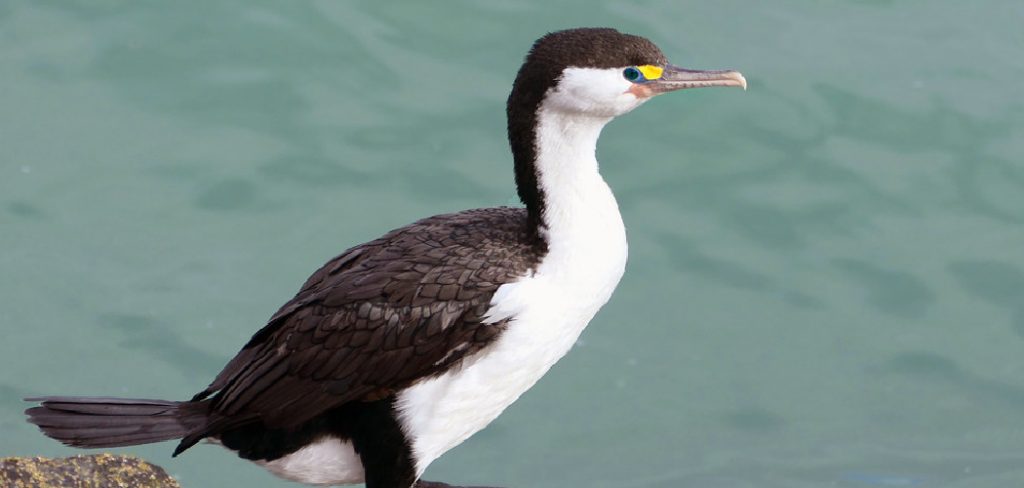
Exploring the Pied Cormorant Meaning, Symbolism and Totem offers a unique framework for understanding how we manage the space between raw emotion and conscious thought. It appears to act as a bridge between opposing forces in nature. Such a creature invites us to examine our own capacity for resourcefulness.
Life along the shoreline requires constant adaptation to shifting tides and unpredictable weather. The bird navigates these harsh conditions with apparent ease, drawing sustenance from dark waters while seeking warmth in the open air. This ongoing cycle of diving and drying could represent a natural blueprint for emotional renewal. In this guide, we will examine the bird’s physical behaviors, its cultural resonance, and the actionable spiritual lessons it may offer to those who feel drawn to its energy.
Physical Traits and Natural Behaviors
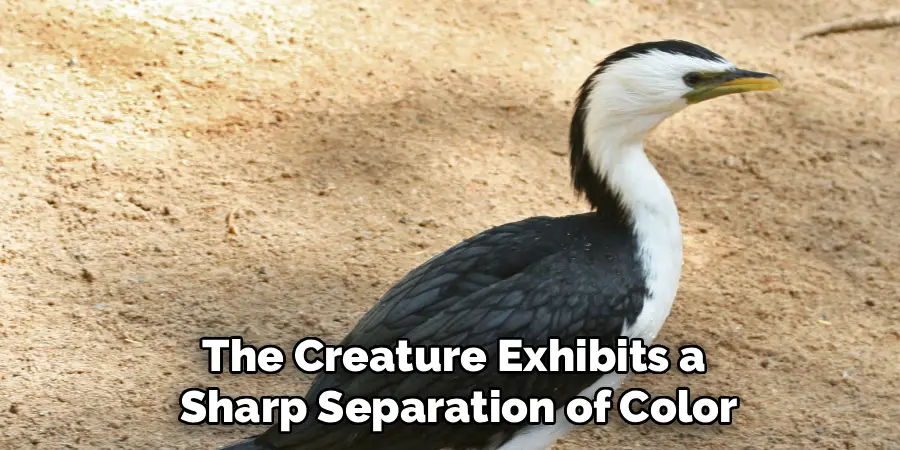
To understand the deeper resonance of this bird, one must first examine its physiological realities. The creature exhibits a sharp separation of color, featuring ink-black upper feathers paired with a stark white underbelly. This visual division might suggest an inherent connection to the concept of balancing light and shadow.
Unlike many aquatic birds, its plumage lacks heavy waterproofing oils. This biological quirk forces the bird to leave the water and stand in direct sunlight to dry its wings before taking flight again. We might interpret this necessity not as a vulnerability, but as a deliberate mechanism for energetic cleansing.
Its physical design is undeniably optimized for the hunt. A sharply hooked beak allows it to grasp slippery prey in murky conditions. Such precise anatomy could indicate an innate ability to extract exactly what is needed from confusing or obscured environments.
The Master of Two Worlds: Water and Air
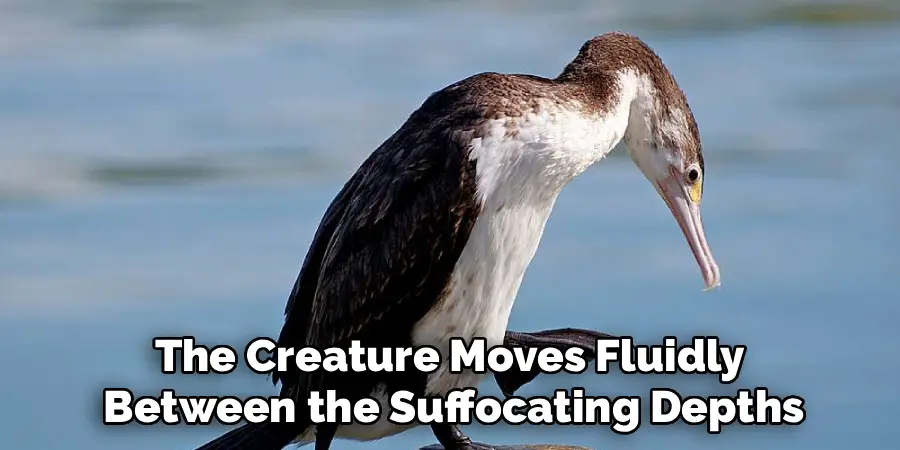
The creature moves fluidly between the suffocating depths of the ocean and the boundless expanse of the sky. Plunging into deep water often represents a descent into the subconscious mind. Here, the bird maneuvers with startling agility, completely at home in the dark.
Returning to the surface and launching into the air signifies a return to waking consciousness and intellect. This transition appears to reflect the human process of retrieving hidden emotional truths and bringing them up for logical examination. Maintaining balance between these two realms is rarely simple.
Observing this constant shift between water and air might teach us how to prevent ourselves from drowning in our feelings. It suggests that while deep emotional exploration is necessary, surfacing for air remains equally vital for our survival.
Cultural Significance Across the Globe
Coastal communities have long maintained a complex relationship with these efficient hunters. Many traditional fishermen watched the movements of offshore flocks to locate massive schools of fish hidden beneath the surface. To these maritime workers, the bird’s sudden arrival could indicate an impending period of extreme abundance.
In some historical contexts, observing the behavior of local wildlife served as the primary method for predicting seasonal shifts. The presence of the bird along specific coastal routes is often mapped directly onto the migration patterns of vital food sources. Consequently, the creature became interwoven with concepts of provision and natural wealth.
This utilitarian relationship eventually evolved into deeper mythological associations. Cultures dependent on the sea frequently viewed such animals as guardians of the ocean’s life-giving properties. They were respected as mediators between human hunger and the unpredictable generosity of the tide.
Indigenous Perspectives and Lore
Within the cultural frameworks of Australasia, where the bird is particularly prominent, it occupies a specific role in regional storytelling. Oral traditions sometimes position the creature as an ancient observer of shifting landscapes. Its enduring presence might suggest a deep, unbreakable tie to the foundational elements of the earth.

Certain creation narratives appear to utilize the bird as a symbol of survival against the chaotic forces of early nature. By enduring both massive floods and scorching sun, it demonstrates a quiet resilience. This adaptability is frequently celebrated in local lore as a highly desirable human trait.
Furthermore, the flocking behavior of these birds highlights the necessity of community connection. Indigenous perspectives often emphasize that while the bird hunts alone in the depths, it returns to the communal roost to rest. This pattern reinforces a deep respect for balancing individual effort with collective security.
Unpacking the Pied Cormorant Meaning, Symbolism and Totem
When we analyze the esoteric footprint of this animal, we uncover a framework largely focused on emotional bravery. Dedicating time to Unpacking the Pied Cormorant Meaning, Symbolism and Totem reveals how closely its natural habits align with psychological shadow work. Plunging into freezing waters to secure a meal mirrors the discomfort of facing repressed memories.
Yet, the bird never remains in the dark indefinitely. Its mandated return to the sunlight to dry its wings serves as a powerful metaphor for necessary emotional release. You cannot hold onto the heavy water of the past if you wish to fly again.
This sun-drying posture—wings held wide open and vulnerable—might indicate a radical acceptance of one’s circumstances. It appears to teach that true renewal only happens when we expose our hidden burdens to the light of day. Such transparency is often the precursor to profound personal healing.
Themes of Resourcefulness and Adaptability
An opportunistic feeder, the bird alters its diet based entirely on what the current environment provides. This dietary flexibility could translate into a spiritual lesson regarding our own rigid expectations. Clinging strictly to one specific outcome often leads to starvation when conditions change.
The creature urges us to evaluate our immediate surroundings and make the most of whatever resources are currently available. It suggests that success is less about finding perfect conditions and more about utilizing imperfect situations effectively. Staying flexible might be the most powerful survival mechanism we possess.
Step-by-Step Guide to Connecting with Your Totem
Aligning your personal energy with this coastal spirit requires a willingness to engage with discomfort. It is not a passive process. Those seeking this connection must actively practice balancing their internal extremes.
The following steps offer a practical approach to integrating the bird’s wisdom into your daily routine. Each phase demands honesty and a commitment to self-reflection.
Step 1: Dive Deep into Your Subconscious
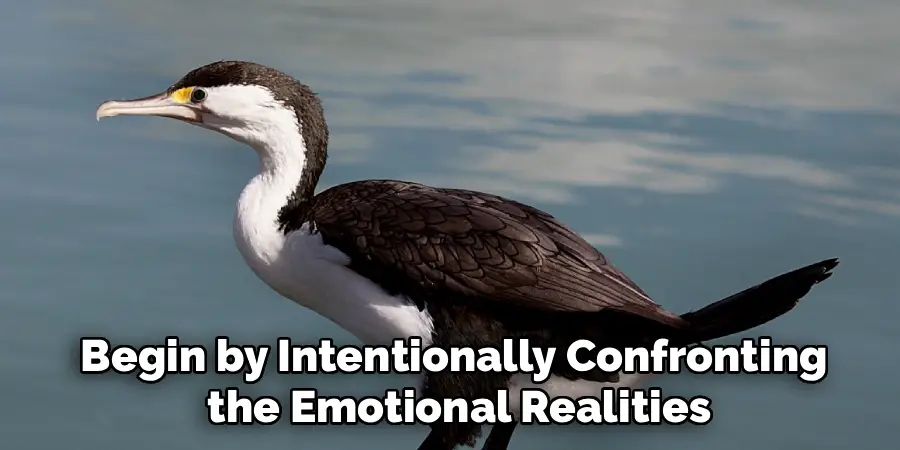
Begin by intentionally confronting the emotional realities you typically avoid. Set aside quiet time for journaling or unstructured reflection, aiming to bypass your logical defenses. The goal is to sink beneath the surface chatter of your daily life.
As you explore these depths, you may encounter uncomfortable truths or neglected desires. Acknowledge them without immediate judgment, acting merely as an observer in murky waters. This brave descent is necessary for retrieving the authentic insights that will nourish your personal growth.
Step 2: Dry Your Wings and Release Emotional Baggage
After engaging in heavy emotional processing, you must consciously shift your state of mind. Do not allow the weight of past traumas to keep you tethered to a dark place. You might try stepping outside into actual sunlight, physically opening your posture to mimic the bird’s resting stance.
Use this physical movement to signal a psychological release. Visualize the heavy, lingering emotions evaporating under the warmth of your conscious awareness. Letting go of these burdens is an absolute requirement for regaining your energetic mobility.
Step 3: Embrace Duality in Daily Life
Examine the opposing forces currently operating within your schedule and relationships. You might find that you lean too heavily on pure logic or, conversely, drown in unmanaged feelings. The bird’s divided plumage serves as a visual reminder that opposing forces can exist in perfect harmony.
Strive to implement clear boundaries that honor both your need for intensive work and your requirement for absolute rest. Accept that you hold contradictory traits within yourself. Managing this duality with grace appears to be the ultimate lesson of this specific totem.
The Role of the Cormorant as a Spirit Animal
This specific energy often surfaces during periods of sudden, unavoidable transition. When this spirit animal makes its presence known, it might signal that your current emotional coping strategies are no longer viable. You are likely being pushed to explore depths you have previously ignored.
Its arrival could also indicate a severe imbalance between your public persona and your private realities. The spirit animal provides a grounding influence when you feel overwhelmed by the sheer volume of your internal struggles. It acts as a quiet guide, showing you how to extract value from a chaotic situation.
People experiencing career shifts or relationship endings frequently report an affinity for this energy. The bird offers protective guidance, reminding the individual that they are fully equipped to survive the plunge. It assures them that the sunlight will eventually return to dry their metaphorical wings.
Recognizing Your Totem Traits
Individuals carrying this totem often exhibit a highly adaptable, somewhat unpredictable nature. They appear deeply comfortable navigating emotionally intense situations that might terrify others. This comfort with the darkness makes them excellent confidants and crisis managers.
However, they also possess a fierce streak of independence. While they value their community connections, they require substantial periods of isolation to process their experiences. If you find yourself needing to physically retreat and “dry out” after social interactions, you might share an energetic link with this bird.
Conclusion
The shoreline teaches us that survival depends on the ability to manage opposing forces. This unique bird models how to transition seamlessly between the heavy, emotional depths and the light, intellectual air. Its behaviors suggest that true strength lies in knowing when to dive and when to rest.
By observing its practical resourcefulness, we learn to find nourishment even in obscured conditions. Furthermore, its need to release the water from its wings demonstrates that letting go is an active, necessary choice. We are not meant to carry the weight of the depths with us permanently.
Ultimately, integrating the Pied Cormorant Meaning, Symbolism, and Totem into your awareness provides a blueprint for profound emotional courage. It invites you to trust your capacity to navigate life’s darkest currents. Most importantly, it reminds you to always step back into the light to embrace your own renewal.
