

A Rosecomb catches the light before it catches your eye. The glossy feathers glint, the flat comb sits like a small jeweled crown, and the bird struts as though the whole garden were built for its arrival.
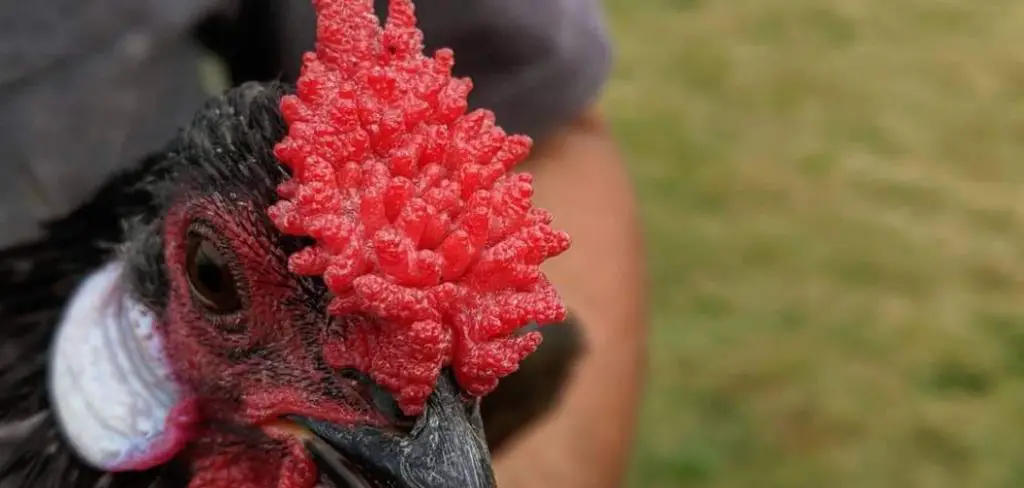
The Rosecomb Meaning, symbolism, and totem have fascinated poultry lovers and people drawn to animal symbolism for generations. There’s a reason a bird this tiny commands so much attention.
For such a small frame, it carries some big themes. Many read it as a sign of pride, beauty, and honest self-expression, proof that confidence has little to do with size.
You won’t need any background in chickens to find something here. Ahead, we’ll look at the breed’s origins, its spiritual meaning, how various cultures have read its symbolism, and what it might signal as a totem or spirit animal. By the end, this dazzling bird should feel a good deal more familiar.
Getting to Know the Rosecomb
Before the symbolism, it helps to picture the bird properly. The Rosecomb is a true bantam, meaning it has no larger counterpart. What you see is the entire story.
Its signature feature is the comb. Flat and covered in small points, it ends in a neat little spike at the back, and that detail gives the breed its name.
There’s a confidence to it that seems out of proportion. The plumage shines, the carriage stays upright, and the personality tends to be far bolder than the tiny body would suggest.
Origins and History
The Rosecomb counts among the oldest known bantam breeds, and its history carries a touch of royal glamour. Many accounts trace it to Britain, and some link it to King Richard III, who is said to have favored the bird during his reign.
Whether that royal connection is fully accurate or partly legend is hard to say. Either way, the association stuck, and it shaped how people came to see the breed.
Kept mostly for looks rather than eggs or meat, the Rosecomb settled into the role of a prized show bird. That focus on beauty and poise fed its lasting reputation as a symbol of pride and refinement.
Distinctive Traits and Appearance
The comb steals the show, of course. That flat, spiked rose comb sits alongside striking white earlobes, which breeders prize, and judges study closely.
Then there are the feathers. Lustrous and tightly held, they come in a wide spread of color varieties, from clean black and white to blue and other patterns.
None of this is mere decoration in symbolic terms. The proud comb hints at self-assurance, and the glossy plumage points toward the beauty and self-expression we’ll get to shortly.
Rosecomb Meaning: The Spiritual Meaning
On a spiritual level, the Rosecomb tends to be read as a spirited teacher. Its bold presence seems to hold a lesson that outsizes its small body.
Two ideas keep circling back. One is pride, the quiet, genuine sort, and the other is the freedom to express yourself and let your true nature show.
A Symbol of Pride and Confidence
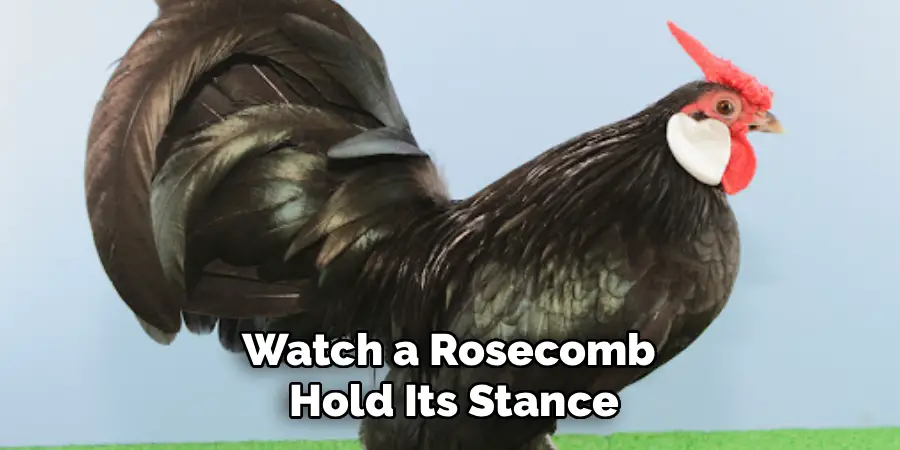
Watch a Rosecomb hold its stance, and “proud” is the word that surfaces first. The upright posture and that dazzling comb suggest a bird entirely comfortable in its own feathers.
That pride reads as a form of strength rather than vanity. It appears to suggest that real confidence draws respect without shouting for it, and that you can carry yourself with assurance while staying grounded.
For anyone who tends to shrink back, the reminder lands gently. You’re allowed to take up space and think well of yourself.
A Message of Self-Expression and Beauty
There’s a second thread here, and it’s about showing who you are. The ornate feathering and eye-catching form speak to embracing your own gifts rather than hiding them.
Beauty, in this reading, isn’t something to apologize for. The Rosecomb seems to nudge us toward expressing ourselves freely and letting our natural qualities come through.
That message may feel small, though it rarely is. Plenty of people spend years dimming themselves, and this little bird quietly argues against the habit.
Rosecomb Symbolism Across Cultures
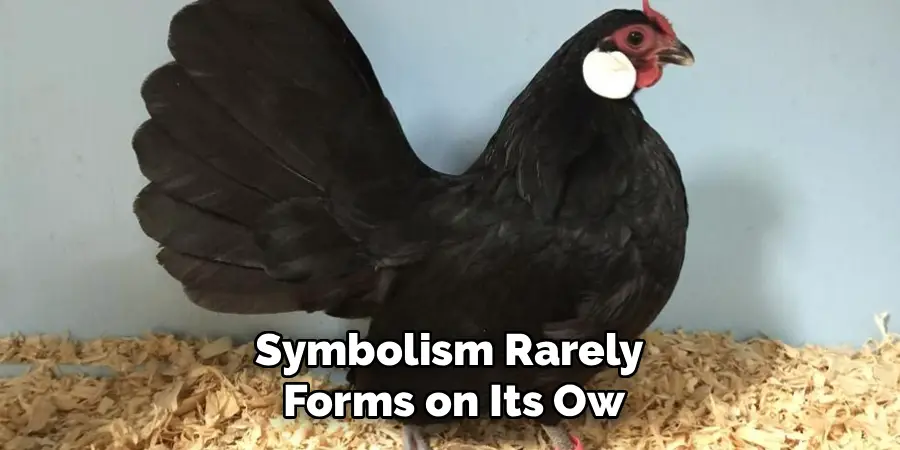
Symbolism rarely forms on its own. To understand how people came to read this bird, it helps to glance at how chickens and bantams have been viewed more broadly.
The recurring threads are surprisingly steady. The Rosecomb seems to gather several of them into one dazzling little bundle.
Symbolism in British and European Traditions
Given the breed’s British roots, that folklore feels like the natural starting point. Chickens and roosters there often stand for vigilance, the arrival of dawn, and an honest kind of pride.
The crowing rooster at first light is an old and durable image, tied to watchfulness and the reliable turn from night to day. As a long-standing exhibition bird, the Rosecomb sits comfortably within that lineage of pride and quiet dignity.
Symbolism in Global Folklore
Cast the net wider and a slightly different flavor emerges. Small, striking fowl tend to represent courage, dignity, and the knack for standing out through beauty rather than sheer size.
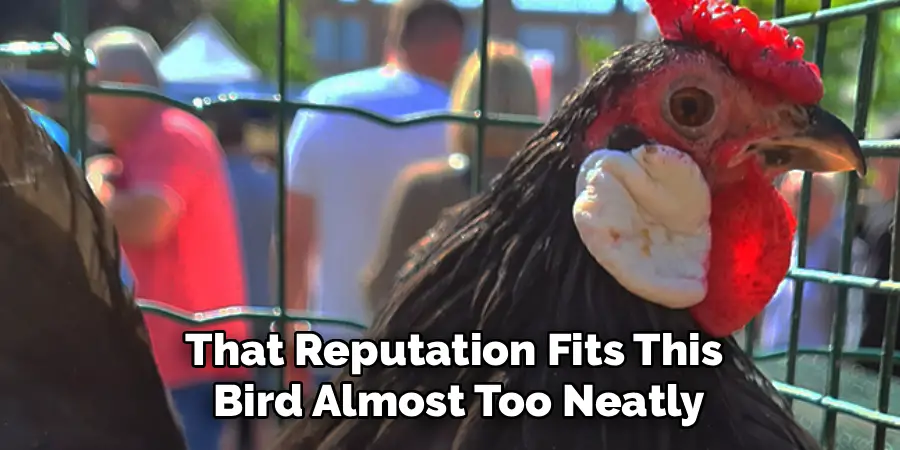
That reputation fits this bird almost too neatly. Confident and eye-catching, the Rosecomb reads like a creature that earns attention through presence, not volume.
Common Themes That Unite Cultures
Look across both angles and a handful of ideas keep returning. Pride shows up again and again, watchfulness threads through most versions, and there’s that self-assured beauty running underneath it all.
The Rosecomb seems to hold all three at once. Bold, alert, and undeniably showy, it becomes a small meeting point where these scattered meanings settle together.
A Step-by-Step Guide to Understanding the Rosecomb as a Totem
This is really the heart of it. If the Rosecomb keeps turning up for you and you’d like to work with it as a totem, the process leans more on attention than on rules.
Take it slowly. What follows is a personal journey rather than a checklist to rush through, since meaning tends to reveal itself at its own pace.
Step 1: Notice When the Rosecomb Appears
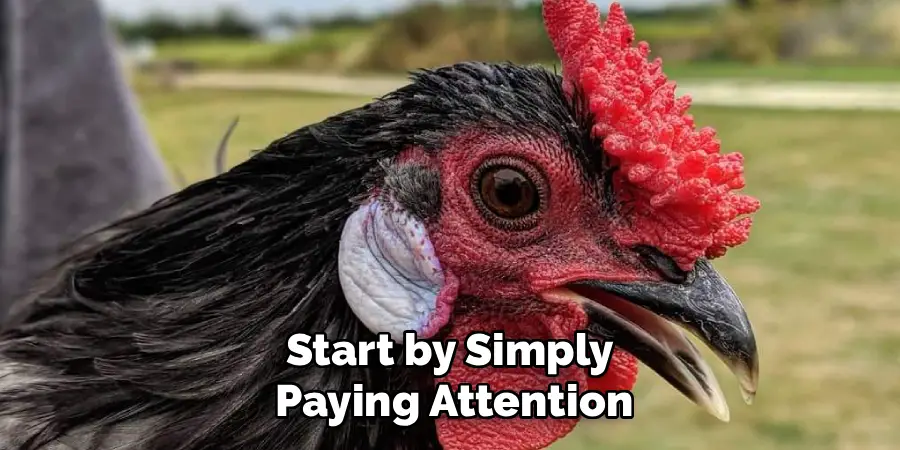
Start by simply paying attention. The bird might surface in real life, in a dream, in a piece of art, or oddly enough, keep cropping up in conversations you didn’t steer.
These moments are worth a second glance. You could treat them as gentle invitations to look closer rather than coincidences to brush aside.
Step 2: Reflect on What Is Happening in Your Life
Once you’ve noticed the bird, turn the question back on yourself. A totem’s message often mirrors whatever you happen to be living through at the time.
Ask honestly. Do you need more confidence right now, a bit more freedom to express yourself, or a stronger sense of pride in your own path? The answer usually points somewhere useful.
Step 3: Explore the Core Qualities of the Bird
Now spend a little time with the bird’s traits. Its bold pride, its striking beauty, its fearless presence-each one offers a possible lesson worth sitting with.
Try matching those qualities to your current challenges. When a trait lines up cleanly with something you’re facing, that overlap may be exactly where the totem is pointing.
Step 4: Journal Your Insights and Feelings
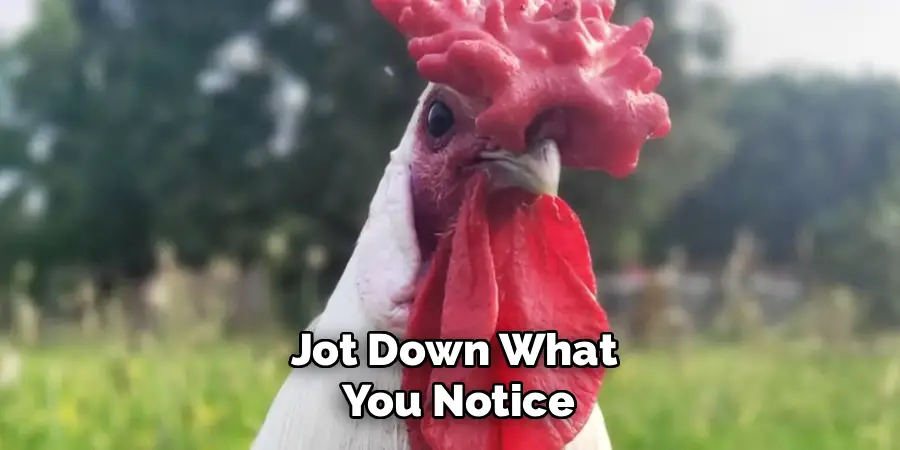
Writing things down helps more than you’d expect. Jot down what you notice, what stirs, and any stray thought that drifts up as you reflect.
Vague impressions have a habit of slipping away. Getting them onto paper turns fuzzy feelings into something solid, something you can return to and actually use later.
Step 5: Apply the Totem’s Lessons to Daily Life
Insight only matters once it changes something. This is the step where the totem stops being an idea and starts shaping how you live.
Perhaps that means standing tall in a situation that usually rattles you. It might mean sharing your talents more openly, or letting yourself take genuine pride in something you achieved.
Step 6: Revisit and Deepen the Connection Over Time
A totem relationship isn’t a one-time event. It shifts and grows the longer you stay curious about it.
Come back to it during new seasons of life. The same small bird may offer a completely different lesson a year from now, once your circumstances have moved along.
The Rosecomb as a Totem Animal
Carrying the Rosecomb as a totem means keeping a bold, encouraging companion close. It’s not a shy or hesitant presence, more a steady boost of confidence when your own runs low.
Think of it as a bird that reminds you to step forward and be seen, gently but firmly.
Guidance the Totem Provides
This totem tends to nudge people toward pride, courage, and authentic self-expression. Its guidance runs warm rather than pushy.
It seems to speak most clearly to those who feel overlooked or unsure of themselves. The reassurance underneath is a simple one. Presence and confidence matter far more than size or status ever will.
When to Call on This Totem
Certain moments suit this energy particularly well. Times that ask you to step into the spotlight, seasons where you need to own your worth, or stretches where you’re trying to show up as your true self.
Reach for it when your nerve feels thin. The Rosecomb offers the bold kind of assurance, the sort that holds its head high without apology.
Personality Traits the Rosecomb Represents
Beyond the spiritual layer, this bird reflects a set of very human traits. Seeing them named can make the symbolism feel a lot more personal.
If you recognize yourself in the descriptions below, that’s rather the point.
Bold Confidence and Presence
The Rosecomb carries itself with a fearless kind of poise. That upright stance and unbothered attitude reflect people who move through the world with assurance and don’t mind being noticed.
There’s no shrinking here. These are folks comfortable being seen for exactly who they are, and that ease tends to draw others in rather than push them away.
Beauty Paired With Spirit
Here’s where the bird gets interesting. It pairs striking good looks with a lively, spirited nature, so the beauty never reads as merely decorative.
That mix challenges a tired assumption that appearance and substance can’t share the same person. In this little bird, they clearly do, sitting side by side without any obvious strain.
What It Means If the Rosecomb Is Your Spirit Animal
Some people feel a genuine pull toward this bird, something past simple fondness. If that’s you, the spirit animal reading works like a mirror held up to your inner nature.
What you see reflected may feel oddly familiar.
Traits You May Recognize in Yourself
Those guided by this spirit animal often feel confident, expressive, and proud of their individuality. They tend to stand out naturally, yet they manage it while staying true to themselves.
None of these are small qualities. Seen clearly, they read as real strengths rather than something to downplay or explain away.
How to Embrace Its Energy
Honoring this spirit animal doesn’t require anything elaborate. Celebrating your talents is one gentle way to start, as is presenting yourself with a bit of pride.
Just as important, permit yourself to shine. That part matters more than it seems, since plenty of people dim their own light so as not to outshine anyone else.
Conclusion
We’ve covered a fair bit of ground in exploring the Rosecomb Meaning, Symbolism and Totem, and one thread ties it all together. This small, dazzling bird keeps insisting that pride, beauty, and self-expression belong to everyone, whatever their size or situation.
The takeaways are worth holding onto. That upright stance speaks to confidence, the glossy plumage reflects a natural beauty, and the bold spirit models the courage to stand out and be seen.
Whether you keep Rosecombs in your own backyard or simply feel drawn to what they represent, the lessons carry over. Connecting with a totem or spirit animal is a personal thing, and it tends to grow richer the more you sit with it.
So keep an eye out for the little messengers that cross your path. This striking bird has plenty of confident wisdom to share, and it asks for hardly anything in return beyond an open, curious heart.

About
Jennifer Branett is a distinguished figure in the world of Garden design, with a decade of expertise creating innovative and sustainable indoor solutions. His professional focus lies in merging traditional craftsmanship with modern manufacturing techniques, fostering designs that are both practical and environmentally conscious. As the author of garden, Jennifer delves into the art and science of garden-fix, inspiring artisans and industry professionals alike.
Education RMIT University
(Melbourne, Australia) Associate Degree in Design (Jennifer Branett) Focus on sustainable design, industry-driven projects, and practical craftsmanship. Gained hands-on experience with traditional and digital manufacturing tools, such as CAD and CNC software.
Nottingham Trent University
(United Kingdom) Bachelor’s in Garden and Product Design (Honors) Specialized in product design with a focus on blending creativity with production techniques. Participated in industry projects, working with companies like John Lewis and Vitsoe to gain real-world insights.Publications and Impact
In indoor, Jennifer Branett his insights on Garden design processes, materials, and strategies for efficient production. His writing bridges the gap between artisan knowledge and modern industry needs, making it a must-read for both budding designers and seasoned professionals.