

There is a moment, just after the Arctic sun crawls back above the horizon, when the light turns soft and the ice glows faintly pink. And then a small bird wheels through it, and you cannot quite tell where the rosy sky ends and the bird begins. The Ross’s gull seems to carry a piece of that dawn on its own feathers.
The first time I saw a photograph of one, I assumed someone had tinted the image. That delicate blush across its breast looked far too lovely to be real.

It was real. The bird really does flush a soft, dawn-like pink, especially in breeding season, and it lives in places almost no one ever reaches.
If you feel drawn to something rare and gentle, the Ross’s gull meaning, symbolism and totem may have a word or two for you. This article wanders through the whole picture: what the bird is, what people have read into it, and how you might build a quiet relationship with it as a totem.
Meet the Ross’s Gull: A Rosy Wanderer of the Arctic
The Ross’s gull is small and dainty, the sort of bird that makes the heftier gulls look almost clumsy by comparison. It has soft grey wings, pale underparts washed with a faint pink, and a distinctive wedge-shaped tail that sets it apart at a glance.
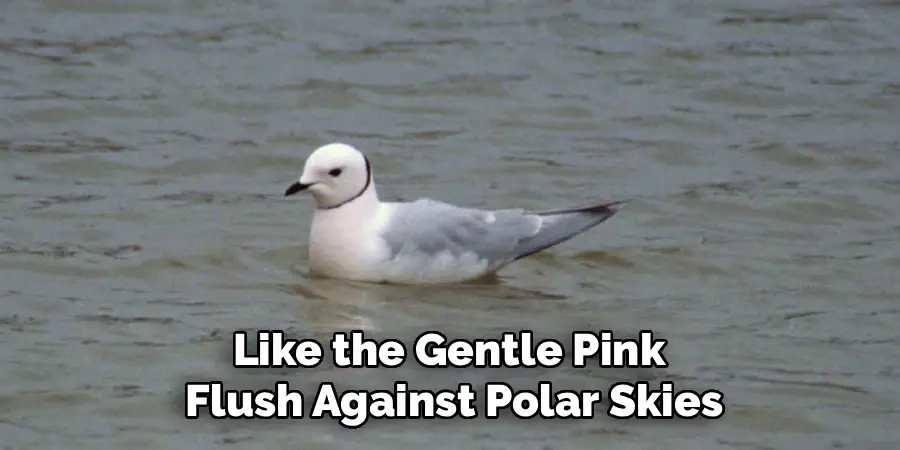
In breeding season, it wears a narrow black ring around its neck, neat as a drawn line. The overall effect is delicate, almost ornamental.
Watch one fly, and the lightness strikes you first. It flutters over pack ice and polar water with a buoyant, almost tern-like grace, dipping and rising as though the air were holding it up on purpose.
A bird’s appearance and remote home tend to shape the meaning we hand it, and the Ross’s gull is a clear case. Its rosy grace is not invented. It is right there above the ice, plain to anyone lucky enough to glimpse one.
Where the Ross’s Gull Lives and Migrates
You find the Ross’s gull breeding in the remote wetlands and marshes of Siberia, raising its young in places so distant that most birdwatchers will never set foot there. For much of the rest of the year, it drifts along the edge of the polar ice.
That love of pristine, faraway landscapes, paired with its sheer scarcity, ties the bird to ideas of preciousness, hope, and far-reaching beauty. It does not seem to need an audience to be remarkable.
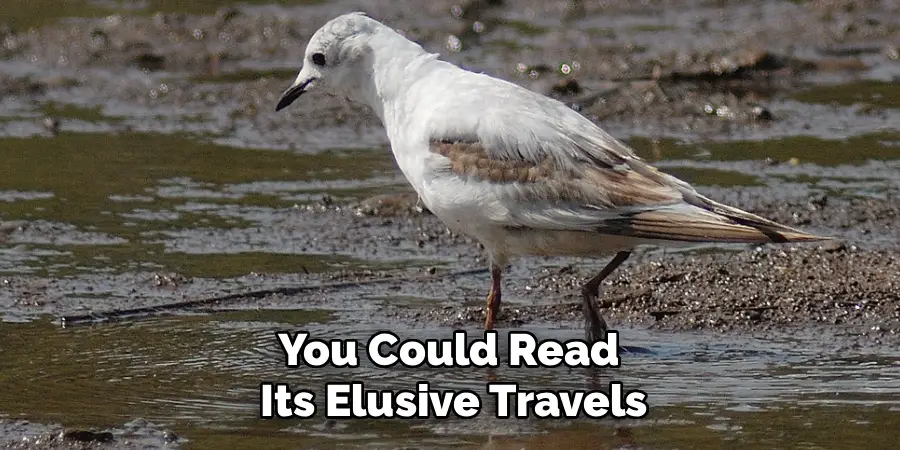
You could read its elusive travels and choosy nesting grounds as a mirror for your own life. Most of us sense, somewhere, that beauty and renewal can bloom even in the coldest, hardest corners, and the Ross’s gull seems to prove it without trying.
Natural Traits That Shape Its Symbolism
Slow down, and a few qualities stand out. The delicate grace, first, the way it moves so lightly through such a brutal climate. The rosy coloring, too, that soft pink wash you cannot quite forget once you have seen it.
Then there is the agile flight and the scarce, seldom-seen nature of the thing. A bird this rare gathers an air of something precious almost by default.
These are watchable behaviors, not romantic guesses. That grounding is part of why the symbolism feels honest rather than dreamed up.
The Core Symbolism of the Ross’s Gull
Strip away the poetry, and a few central themes remain. Rarity. Beauty. And hope, along with the gentle promise of brighter days returning after long, cold stretches.

A small, rosy-tinted bird thriving in the far north becomes, almost inevitably, an emblem of tenderness and quiet wonder.
Rarity and Precious Beauty
The Ross’s gull’s scarcity, paired with that soft blush-pink plumage, reads as rarity and the worth of what is uncommon and lovely. It does not blend into the crowd, because there rarely is a crowd.
That distinctiveness may suggest something useful about your own rare gifts. Being unusual, the bird seems to argue, is a treasure rather than a flaw to fix.
I think rarity works best when it is celebrated rather than hidden. The Ross’s gull, glowing against the ice, shines all the brighter precisely because it is not easily found anywhere else. Your own distinct beauty may work the same way.
Hope and Gentle Renewal
Then there is that dawn-like rosy hue. It points toward hope, fresh beginnings, and the promise of light returning after long, dark seasons.
It may encourage you to hold onto hope even in difficult stretches, trusting that renewal often arrives quietly rather than with fanfare. The bird does not seem to announce itself; it simply appears, soft and bright.
Like the gentle pink flush against polar skies, hope can warm the heart and brighten the path forward when you need it most. If you have been weathering a long, cold season, this part of the Ross’s gull meaning, symbolism and totem might be the one that lingers.
Ross’s Gull Meaning: Spiritual Meaning
Move past the surface traits, and the bird starts to feel like a guide for opening your heart to hope and trusting in renewal. It masters an icy sky and a frozen sea, two realms that ask a great deal of anything living between them.
That command of both appears to point toward harmony, a tenderness held steady by quiet courage. Take from it what you will, though the fit is hard to ignore.
A Messenger of Hope
Glowing rosy and bright in a stark white world, the Ross’s gull becomes a natural emblem of hope that endures even in the harshest seasons. It does not seem to wait for kinder conditions.
It may encourage you to trust that brighter days follow struggle, and that gentle hope is a real and steadying strength. Hope, after all, is a soft, patient companion rather than a fragile wish.
There are seasons when you feel weary, certain the cold will never lift. The Ross’s gull offers a small comfort there, a reminder that warmth and renewal are probably making their way toward you, quietly, even now.
Embracing Gentleness as Strength
That delicate appearance, paired with its hardy Arctic life, reflects an unlikely pairing. Softness joined to resilience, neither one canceling the other.
That could indicate a gentler idea of strength, one where being tender does not mean being weak. An open heart, the bird suggests, can endure great cold and still shine.

Like this small creature thriving in a vast frozen world, your gentleness is a quiet power that carries you through and lifts those around you. Easier said than lived, of course. Still, the Ross’s gull makes the argument fairly well.
Ross’s Gull Symbolism in Culture and Folklore
Rare Arctic birds have drifted through northern and polar stories for a long time, often tied to hope and blessing rather than to omens. Communities living near icy seas tended to watch unusual, luminous birds with a mix of reverence and curiosity.
This is less grand mythology and more everyday observation that slowly hardened into something lasting.
A Bird Tied to the Far North
The Ross’s gull’s deep connection to the high Arctic linked it, in the eyes of northern and polar peoples, to ideas of beauty, survival, and the gentle promise of the returning sun after long winters. A bird this lovely and this rare seems almost designed to gather meaning.
Communities watched these rosy birds as part of reading the rhythms of ice, weather, and the sea. A creature so striking against the white tends to earn a certain quiet affection.
It is easy to see how an uncommon, beautiful bird becomes a treasured one. Gratitude and wonder, after all, have a habit of turning into a story across the generations, especially in places shaped by vast, frozen, and untamed land.
Shared Themes Across Northern Traditions
Look across different northern cultures and certain ideas keep returning. Hope. Beauty. Rarity. And a deep tie to the wild north.
The Ross’s gull fits neatly into these threads. A radiant, elusive bird that seems to carry a promise of warmth into the heart of the frozen world alone seems to invite tales of renewal.
These overlaps are worth noticing. They hint that the bird touched something common in how people made sense of their long, dark, demanding winters.
The Ross’s Gull as a Totem Animal
To carry the Ross’s gull as a totem is to recognize a piece of yourself in it. People drawn to this bird often share its gentleness, its hopeful outlook, its quiet resilience, and its love of beauty and rare experiences.
A totem works less like a label and more like a lifelong companion, reflecting traits you already hold rather than ones you have to manufacture.
Personality Traits of Ross’s Gull People
Those guided by this totem tend to be gentle and hopeful, the sort who carry a soft optimism even when circumstances turn hard. They often value beauty and tenderness in ways others overlook.
They bring a soothing, hopeful presence into the groups they join, the kind that quietly steadies a room. People tend to feel a little lighter around them.
They pair a tender nature with a quiet strength that is easy to underestimate. If any of that sounds familiar, you might already be a Ross’s gull person without having named it.
When the Ross’s Gull Appears in Your Life
Sometimes a bird keeps surfacing, in fact or in thought, until it begins to feel like more than chance. A sudden sighting, or a run of Ross’s gull images, may point toward a need for hope, gentleness, or tender care toward yourself and others during a difficult stretch.
It might be nudging you toward a softer, more hopeful frame of mind during a season that has felt cold. Noticing the pattern is the first real step. You do not have to read it perfectly, only pay it some attention.
Connecting With the Ross’s Gull as Your Totem: Your Step-by-Step Guide
Here is the practical heart of it. Think of me as a friend talking you through this, not a strict teacher. Move at your own pace, and let the connection deepen rather than forcing it.
Step 1: Set a Clear Intention
Begin by naming what you hope to find. Hope, perhaps, or gentleness, or some tender renewal during a tender season.
A simple, honest intention carries more than a perfectly worded one. A soft, sincere wish is the gentlest place to start.
Step 2: Observe the Bird in Nature or Imagery
Since spotting one in person is genuinely rare, study photos and videos of the Ross’s gull drifting above Arctic ice. Patient observation builds a real familiarity.
Even a quiet moment with a single image can stir something. You begin to feel the bird’s gentle, rosy, hopeful energy rather than just know facts about it.
Step 3: Reflect Through Journaling
Write down feelings, dreams, or situations that seem to call for hope or gentleness. Journaling has a way of surfacing patterns you would otherwise miss.
Be honest, and stay gentle with yourself as the words come. You may notice where a little more tenderness, or a little more quiet hope, would bring relief and a softer way forward.
Step 4: Practice Quiet Meditation
Sit for a few minutes and picture the Ross’s gull gliding softly above gleaming ice, its feathers glowing with gentle pink light beneath a calm polar sky. Let that image settle your attention.
The scene invites peace and an open, hopeful heart. A short session often leaves you more soothed and quietly hopeful than you expected going in.
Step 5: Apply the Lessons to Daily Choices
Carry the bird’s traits into real decisions. Act with gentleness where you can, choose hope, and care tenderly for yourself and the people around you.
Notice the small wins. Kind, hopeful choices ripple outward in quiet, lasting ways, even when you cannot trace where they land.
Step 6: Express Gratitude and Stay Open
Thank the totem in whatever way feels natural, and stay receptive to what follows. The relationship lives through that openness.
Acknowledge any guidance when it shows up. The bond tends to grow softer and stronger each time you pause to give thanks.
Ross’s Gull as a Spirit Animal Versus Power Animal
These two roles get blurred often, though they offer different kinds of support. The distinction is gentle rather than rigid, so try not to overthink it.
The Ross’s Gull as a Spirit Animal
A spirit animal tends to arrive during a particular stretch of life, carrying a timely message. The Ross’s gull in this role may show up when you need hope, gentleness, or tender renewal after hardship.
You do not summon it so much as notice it. Its rare and quiet appearance is the invitation itself.
The Ross’s Gull as a Power Animal
A power animal works the other direction. You call on its energy on purpose, drawing on the gull’s hope or gentleness when you need the courage to lead with an open, tender heart.
This is an active practice, something you reach toward. Anyone can use it, and nothing mystical is required to begin.
Common Questions and Misunderstandings
A little skepticism is healthy here. Animal symbolism gets brushed aside easily, sometimes for fair reasons, so clear eyes help.
Does Bird Symbolism Really Apply to Me?
Symbolism is a tool for reflection, not a forecast carved in stone. Its real value sits in the self-awareness it stirs, not in any claim about your future.
Keep what resonates and quietly leave the rest. Your own intuition is the better judge of what rings true as you explore the Ross’s gull’s hopeful, gentle spirit.
Mixing Up the Ross’s Gull With Other Gulls
People confuse the Ross’s gull with other small, pale gulls fairly often. The clearest giveaways are its rosy-pink wash, that wedge-shaped tail, the narrow black neck ring, and its rare high-Arctic home.
Getting the identification right matters more than it might seem. A connection built on the actual bird, rather than a vague seabird, simply feels more honest.
Conclusion
So we circle back to where we began, with a small bird wheeling through a pink Arctic dawn, glowing as though it borrowed the light. Across all of this, the Ross’s gull meaning, symbolism and totem keep returning to the same soft ideas: rarity treated as a gift, beauty worn lightly, and gentle hope that returns season after season.
The encouraging part is how reachable it all is. You need no special training to learn from this bird, only a willingness to slow down and notice it.
There is real power in tenderness and in trusting that brighter days are on their way, even when the cold feels endless. The Ross’s gull seems to manage both, quietly, against considerable odds.
So picture those gleaming polar shores sometime soon, watch the skies, and stay open to what this rare and lovely bird might be reflecting back at you. The lesson, if there is one, tends to arrive softly, on rosy wings that have crossed a great deal of ice to find you.

About
Jennifer Branett is a distinguished figure in the world of Garden design, with a decade of expertise creating innovative and sustainable indoor solutions. His professional focus lies in merging traditional craftsmanship with modern manufacturing techniques, fostering designs that are both practical and environmentally conscious. As the author of garden, Jennifer delves into the art and science of garden-fix, inspiring artisans and industry professionals alike.
Education RMIT University
(Melbourne, Australia) Associate Degree in Design (Jennifer Branett) Focus on sustainable design, industry-driven projects, and practical craftsmanship. Gained hands-on experience with traditional and digital manufacturing tools, such as CAD and CNC software.
Nottingham Trent University
(United Kingdom) Bachelor’s in Garden and Product Design (Honors) Specialized in product design with a focus on blending creativity with production techniques. Participated in industry projects, working with companies like John Lewis and Vitsoe to gain real-world insights.Publications and Impact
In indoor, Jennifer Branett his insights on Garden design processes, materials, and strategies for efficient production. His writing bridges the gap between artisan knowledge and modern industry needs, making it a must-read for both budding designers and seasoned professionals.